Sir Torshi Step-by-Step Recipe _ Homemade Persian Pickled Garlic
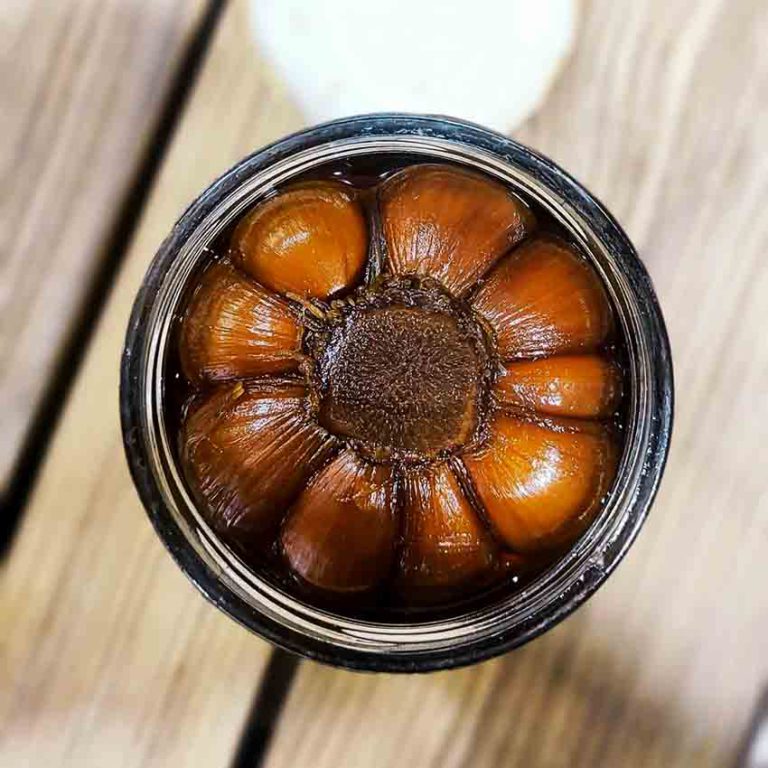

Persian pickles, known as “Torshi” in Farsi, are vibrant, tangy condiments that are a cornerstone of Iranian cuisine, transforming any meal into a more exciting culinary experience.
These flavorful, often spicy pickled vegetables are cherished not only for their distinctive taste but also for their traditional role as a digestive aid and palate cleanser.
From the simplest weeknight dinner to elaborate festive spreads, a plate of Torshi is almost always present, reflecting its deep cultural significance and widespread popularity across Iran and the broader Middle East.
The term “Torshi” itself means “sour” in Persian, aptly describing these delightful concoctions. While the concept of pickling vegetables is universal, Iranian pickles stand out due to their unique blend of spices, herbs, and diverse ingredients.
This comprehensive guide, brought to you by Meals Cook, will delve into the world of Torshi, exploring various pickling methods, a detailed Persian pickles recipe for the popular “Torshi Makhloot” (mixed pickles), and an array of other traditional varieties. Prepare to unlock the secrets behind making these beloved condiments and elevate your cooking with the authentic flavors of Iran.
At the heart of Iranian culinary traditions lies Torshi, a category of pickled vegetables so ingrained in the culture that a meal is often considered incomplete without it.
This deep affection for sour and fermented foods extends throughout the Middle East, with countless regional and even household-specific variations.
Torshi serves multiple functions on the dining table: it acts as a refreshing palate cleanser between bites, cuts through the richness of fatty meats, and balances the complexity of heavily spiced dishes.
Beyond its gastronomic appeal, it’s also traditionally believed to aid digestion, making it a functional and delicious accompaniment.
The diversity of Torshi is truly remarkable. From single-vegetable pickles to elaborate mixtures, almost any vegetable can be transformed into a delectable Torshi.
The preparation methods vary, incorporating different brines, vinegars, and fermentation techniques, each contributing to a unique flavor profile and texture.
This culinary flexibility means that while core traditions exist, every family often has its own cherished Persian pickles recipe, passed down through generations, making the world of Iranian pickles endlessly fascinating and flavorful.
Making Persian pickles involves a fascinating array of techniques, each contributing a distinct character to the final product. Understanding these methods is key to experimenting with your own Iranian pickles and achieving the desired taste and texture.
At Meals Cook, we believe in empowering you with the knowledge to create authentic flavors right in your kitchen.
This is arguably the fastest and most accessible method for making Persian pickles, often resulting in what are known as “refrigerator pickles.”
The mechanism involves acidifying vegetables using a hot, diluted vinegar brine. The vegetables are submerged in this brine, allowed to cool, and then immediately stored in the refrigerator. While they can be enjoyed within a day, their flavor typically deepens and improves with a few days or even a week of aging.
This method is perfect for a quick fix or when you’re short on time but still crave the tangy crunch of Persian cucumber pickles or other fresh vegetables.
Lacto-fermentation is an ancient and widely practiced method, particularly prevalent in the Middle East. It relies on the natural fermentation of vegetables in a salt brine.
The salt draws out moisture from the vegetables, creating a favorable environment for beneficial lactic acid bacteria (lactobacillus strains) to thrive.
These bacteria convert sugars in the vegetables into lactic acid, which preserves the vegetables and imparts a distinctively sour, complex flavor. A common misconception among fermentation enthusiasts is that adding vinegar to fermented pickles halts the process.
However, lactobacillus strains are generally acid-producing and highly acid-tolerant, meaning they can continue to thrive even in acidic conditions, creating uniquely layered flavors in brined Persian pickles.
This traditional method involves submerging vegetables directly in unheated, pure vinegar. The high acidity of the vinegar acts as the primary preservative.
These pickles are typically stored at room temperature for several months before opening, allowing the flavors to meld and deepen over time.
While this method yields incredibly stable pickles, some individuals might find the strong, undiluted vinegar flavor to be quite intense.
It’s a method that requires patience but rewards with a robustly flavored Torshi.
For those looking for long-term, shelf-stable storage, water bath canning is an excellent option. This method involves processing jars of pickled vegetables in a hot water bath, creating a vacuum seal that prevents spoilage.
The heat treatment ensures longevity, making it suitable for larger batches of mixed pickles. Our Persian pickles recipe for Torshi Makhloot, detailed below, is well-suited for water bath canning, offering a practical solution for preserving your homemade treasures.
Many recipes for Iranian pickles employ hybrid methods, combining elements from fermentation and vinegar pickling.
For instance, some pickles might undergo an initial period of lacto-fermentation and then be topped off with vinegar.
These combinations leverage the benefits of both techniques, offering a wider spectrum of flavors and textures, and allowing for greater creativity in your pickling endeavors.
Torshi Makhloot, meaning “mixed pickles,” is one of the most beloved and versatile Persian pickles. Its charm lies in the harmonious blend of various vegetables, each contributing its own texture and flavor to the tangy brine.
This Persian pickles recipe is incredibly forgiving, allowing for extensive customization, which is perfect for home cooks experimenting with different combinations found at meals cook or their local markets.
The beauty of Torshi Makhloot is its flexibility. Don’t have a specific vegetable on hand? No problem! You can easily substitute ingredients based on what’s available or what you prefer.
Cabbage, green beans, or even zucchini (in place of cucumber) make excellent additions.
If you wish to include eggplant, a common ingredient in other Iranian pickles, simply boil the slices for about a minute in some vinegar before adding them to your jar; this softens them and prepares them for pickling.
Furthermore, the amount of spices and hot peppers can be adjusted to your liking, allowing you to create a mild or fiery batch of mixed pickles.
To embark on your Torshi Makhloot journey, gathering the right tools will make the process smooth and enjoyable. Here’s what you’ll need:
While Torshi Makhloot is a beloved staple, the world of Iranian pickles is vast and varied, offering a delightful exploration of flavors and textures. Each region and even individual household may have its own special recipes, showcasing the incredible culinary ingenuity.
Here at Meals Cook, we encourage you to explore the diversity of these torshi pickles, from crisp turnip pickles to savory eggplant creations. Each type tells a story of local produce and traditional preservation methods.
Below is a table highlighting some of the most popular and unique Persian pickles you might encounter or wish to create, showcasing the sheer variety available beyond the famous mixed pickles.
These examples demonstrate the rich tapestry of flavors and ingredients that define what Persian pickles are.
| Type of Torshi | Key Characteristics | Featured Vegetable/Ingredient |
|---|---|---|
| Torshi Left | Distinctive pink color, tangy and crisp | Turnips |
| Khiar Shoor | Classic, crunchy, often dilly | Persian Cucumber Pickles / Cucumbers |
| Giardiniera Spicy (Shoor) | Spicy, vibrant mix of vegetables | Mixed vegetables |
| Torshi Hafteh Bijar | Garden vegetables in a rich, spicy eggplant sauce | Mixed vegetables, eggplant |
| Torshi Liteh Eggplant | Finely minced/crushed eggplant, aromatic | Eggplant |
| Torshi Bademjan | Whole or sliced eggplant, savory | Eggplant |
| Ghoureh | Very tart, delicate texture | Unripe sour grapes |
| Torshi Felfel | Spicy, bright, sometimes smoky | Peppers (various types) |
| Pickled Beetroots | Earthy, sweet-sour, beautiful color | Beetroots |
| This table represents just a glimpse into the diverse world of Iranian pickles, each offering a unique flavor experience. | ||
The vast array of Torshi types, from delicate Ghoureh to robust Torshi Bademjan, highlights the versatility of Iranian pickling, demonstrating that what are persian pickles is a question with many delicious answers.
While making your own Persian pickles with a carefully followed Persian pickles recipe from meals cook is incredibly rewarding, there are times when you might prefer the convenience of store-bought options or want to explore professionally made varieties.
Thankfully, the increasing popularity of Middle Eastern cuisine means that Iranian pickles are more accessible than ever before, whether you’re looking for classic brined Persian pickles or specific regional specialties.
Many online specialty food stores offer a wide selection of Persian pickles, making it easy to purchase everything from traditional Torshi Makhloot to unique Torshi Left or Khiar Shoor.
These platforms often provide convenient shipping options, delivering your favorite Iranian condiments directly to your doorstep, no matter where you are.
The benefits of online shopping extend beyond mere convenience; it can also save you time and often offers a greater variety than what might be available in local brick-and-mortar stores.
This accessibility makes it simple to explore the full spectrum of what Persian pickles are without having to travel far.
Whether you choose to craft your own batch or purchase from a trusted provider, integrating persian pickles into your meals offers a delightful exploration of vibrant Iranian flavors.
Our journey through the world of Persian pickles reveals a rich culinary tradition that extends far beyond a simple condiment.
These tangy, flavorful additions, known collectively as Torshi, are an integral part of Iranian dining, celebrated for their diverse tastes, cultural significance, and digestive benefits.
From the versatile mixed pickles of Torshi Makhloot, which you can now confidently create with our detailed Persian pickles recipe, to the unique charm of Torshi Left and the classic crunch of Persian cucumber pickles, the options are as endless as they are delicious.
Understanding the various pickling methods, from quick refrigerator pickles to lacto-fermentation, empowers you to experiment and tailor these treats to your preference, embodying the spirit of meals cook.
Whether you choose to embark on the rewarding adventure of making your own Iranian pickles or opt for the convenience of store-bought varieties, incorporating Torshi into your meals will undoubtedly enhance your culinary experience.
These vibrant condiments are more than just a side dish; they are a celebration of flavor, tradition, and the simple joy of good food. We encourage you to explore the myriad flavors of torshi pickles, discover your favorites, and share the delightful taste of Iran with your loved ones.
Persian pickles, known as Torshi, are a variety of sour and often spicy pickled vegetables popular in Iranian cuisine, serving as a condiment, digestive aid, and palate cleanser.
Torshi Makhloot translates to “mixed pickles” and is a popular type of Persian pickle made from a combination of various vegetables like cauliflower, carrots, bell peppers, and cucumbers.
Quick or refrigerator Persian pickles generally last several weeks in the fridge, while properly water-bath canned or lacto-fermented varieties can last for months or even a year if stored correctly.
For the best Persian cucumber pickles, it’s recommended to use firm, crisp pickling cucumbers like Kirby or small Persian cucumbers, as they hold their texture better than larger slicing varieties.
Common spices in Iranian pickles include peppercorns, coriander seeds, dried mint, cumin seeds, fennel seeds, cinnamon, turmeric, and various hot peppers, which can be adjusted to taste.
Making Persian pickles is generally straightforward, especially with quick pickle methods, and while some traditional fermentation techniques require more attention, most recipes are accessible to home cooks.