

In Iran, it is traditional to prepare this classic dessert during mourning ceremonies. Despite that association, many people—including myself—have loved it since childhood for its comforting flavor and aroma. I still enjoy it most with a cup of hot Iranian tea.
This traditional sweet comes in a wide variety, including carrot, date, saffron, ginger, and milk-based versions. In this article, we focus on the classic white-flour saffron version, prepared using a simple and authentic method.
It is one of the most well-known homemade sweets across Iran. Depending on how it is made and served, it can appear either as a dessert or as a sweet component in other dishes, such as Ranginak.
What is halva?

What Is Halva?
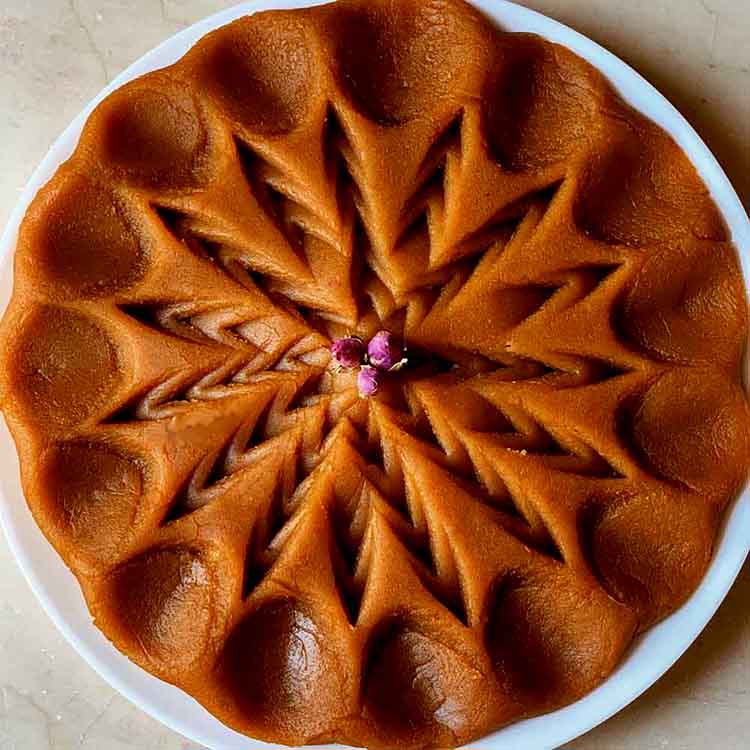
This Middle Eastern treat is commonly made from flour, oil or butter, sugar, and fragrant ingredients such as saffron, rosewater, and cardamom. The Iranian style is very different from tahini-based or semolina-based versions found in Turkish and Arabic cuisines.
The texture is smooth and soft, with a rich roasted aroma that comes from patiently cooking the flour. Many people describe the taste as slightly nutty, similar to nut butter, because of the deep toasted base.
Halva is a Middle Eastern treat, similar to fudge, that can be made from a tahini or flour base, sweetened with sugar and vanilla (plus any desired mix-ins). Wondering what tahini is? It’s a paste made from ground sesame seeds, and occasionally salt.
Sourced: delish
A Brief History of Halva
The earliest written recipe appears in the Arabic cookbook Kitab al-Tabikh from the early 13th century. Food historians believe this sweet dates back thousands of years—possibly as early as 3000 BC.
The word itself comes from Arabic, meaning “sweet.” Over time, each culture developed its own interpretation. The Iranian style became unique through dry roasting flour, using saffron and rosewater, and controlling texture with precision.

A simple halwa needs to be delicious, and it must be done step by step carefully so that it tastes good at the end. We will discuss how to make halwa with Meals Cook, so be with us in this article.
For: 8 people
Preparation: 15 minutes
Cook for: 1 hour
Ingredient :
| Ingredient | Amount |
|---|---|
| White flour (sifted) | 2 cups |
| Sugar | 1 cup |
| Cooking oil or butter | 2/3 cup |
| Rosewater | 1 tablespoon |
| Cardamom powder | A pinch |
| Brewed saffron | 1–3 tablespoons (recommended: 2–3 for full aroma & color) |
Instruction :

1. Preparing the Syrup (Nectar)
-
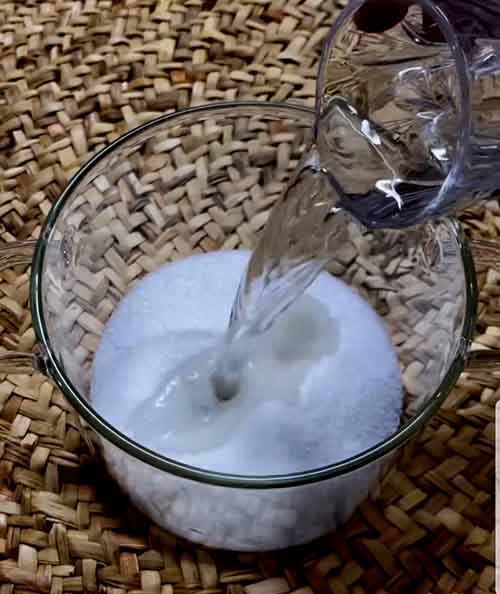
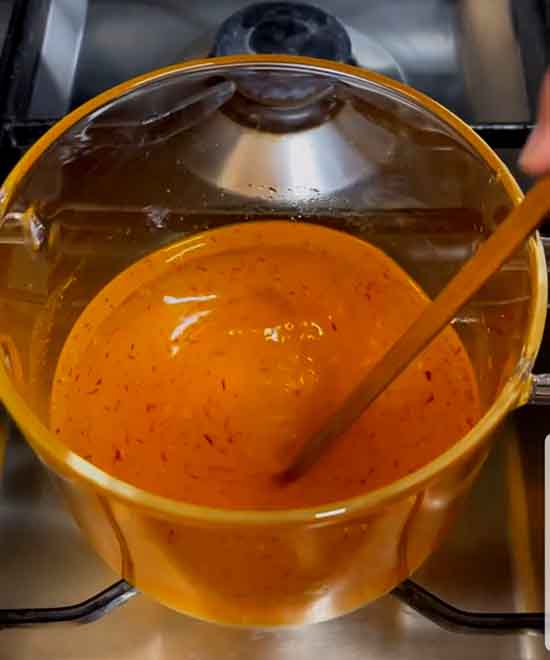
Combine sugar with 1 cup of water over medium heat.
-
Stir until fully dissolved. Do not let the syrup become thick.
-
Brew the saffron properly: grind the threads and place ice on top to release the full color.
-
Add rosewater, cardamom, and brewed saffron to the syrup.
-
Stir once and immediately remove from heat to preserve aroma.
2. Dry-Roasting the Flour (Key Flavor Step)
-
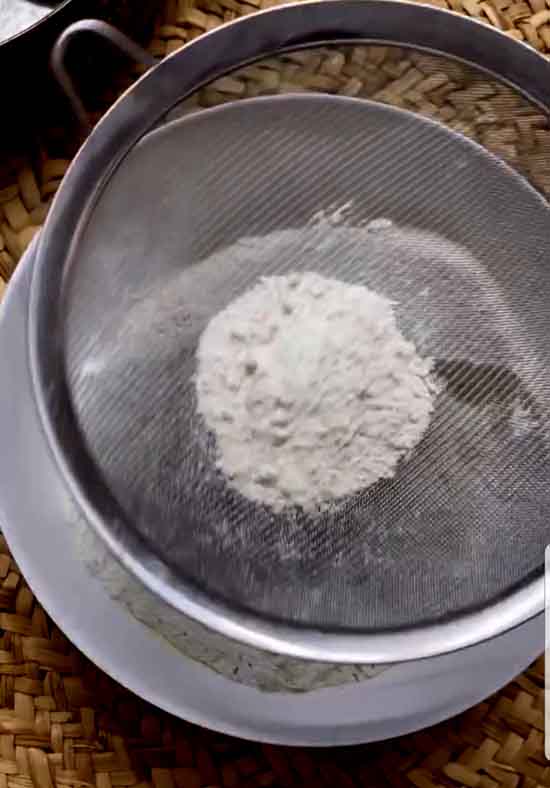
Sift the flour 2–3 times to fully separate particles.
-
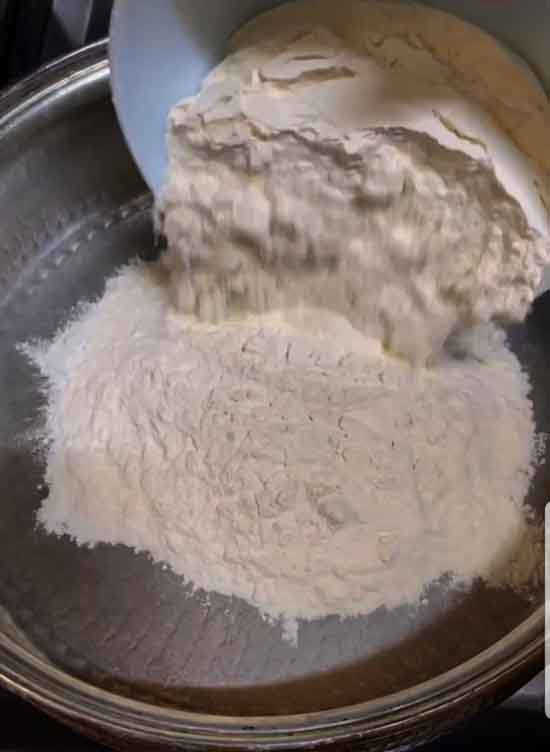
Pour the flour into a dry pan without oil or butter.
-
Roast over medium heat for about 15 minutes, stirring constantly.
-
This step removes raw flavor and releases a deep nutty aroma.
-
Sift the flour once more and return to the pan.
3. Making the Halva Base (Roux)
-
Add oil or butter to the roasted flour.
-
Stir continuously over low heat.
-
The mixture gradually turns golden to light brown.
-
The darker you cook it, the darker the final halva will be.


4. Adding the Syrup & Final Texture Control
-
Lower the heat to minimum or turn it off before adding syrup.
-
Add syrup gradually in stages while stirring quickly and constantly.
-
The mixture will absorb the syrup and gather in the center of the pan.
-
Gently shake the pan left and right until this dessert forms one cohesive mass.
-
At this point, the Persian Halwa is ready.

5. Shaping & Decoration
-
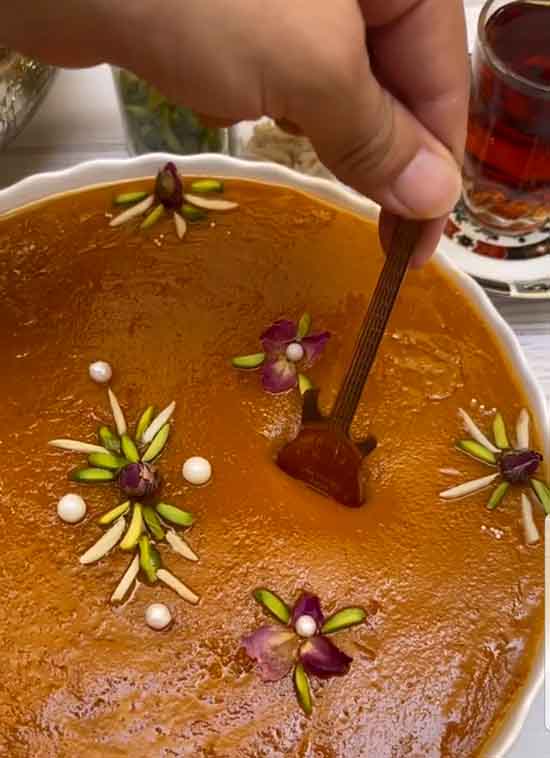
Transfer the hot Iranian Halwa into a flat serving dish.
-
Smooth the surface with the back of a spoon.
-
Decorate with pistachio, almond slices, coconut, or dried rose petals.
-
Let it cool slightly before slicing.
Important Notes & Traditional Tips

-
-
This is not a fast recipe—slow roasting is essential for real flavor.
-
Using 2–3 tablespoons of saffron ensures a strong color and aroma.
-
For a healthier version:
-
Replace sugar with honey or grape syrup
-
Use olive oil instead of liquid oil
-
-
If it becomes:
-
Too loose from excess syrup: return to heat to evaporate moisture
-
Too oily: add a little dry-roasted flour
-
-
Solid oil makes it fluffier; liquid oil adds surface shine.
-
It decorates best while still slightly hot.
-
- Milk halva, Tar halva Shirazi, and Halva Zanjabil are Iranian desserts related to this Persian Halwa.
How to Serve Iranian Halva
Halva is traditionally served with:
-
Persian tea
-
Barbari bread
-
Sangak bread
It is enjoyed after meals, during gatherings, religious ceremonies, and winter evenings.
FAQ
1. What are the main ingredients?
White flour, sugar, and oil or butter.
2. What is it usually served with?
Persian tea, Barbari bread, or Sangak bread.
3. Can it be frozen?
Yes, safely for up to three weeks.
4. How many variations exist?
Some common types include saffron, date, carrot, milk, ginger, flour-based, and Sohani styles.
Final Words
Simple ingredients, slow heat, and patience—that is the soul of this traditional Iranian sweet. It is not just food; it represents a deep part of Persian home cooking.
Start preparing this delicious saffron dessert today.
If you’ve made it before, share your experience in the comments.
If you have questions, ask—we reply fast.
And if you cook it, don’t forget to share your photos with us on Facebook @mealscook or by email. We love seeing your creations.