


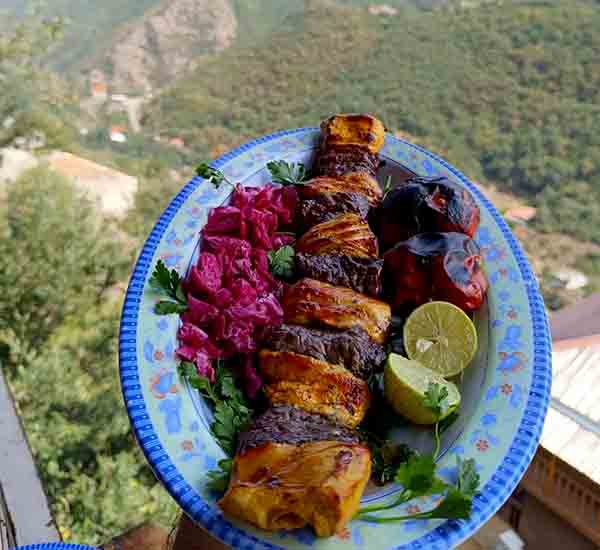
Kabab Bakhtiari is one of the most delicious and traditional Persian kebabs. It’s a combination of Kabab Barg (lamb fillet kebab) and Joojeh Kabab (chicken kebab) — both red and white meat on the same skewer — and it’s considered a luxurious main course in Iranian cuisine.
Origin and Cultural Significance
Kabab Bakhtiari is named after the Bakhtiari people, a famous Iranian ethnic group. This kebab originated in the Chaharmahal and Bakhtiari province of Iran and later spread to Khuzestan and Isfahan. The recipe reflects the nomadic lifestyle and traditional cooking of the Bakhtiari tribes, who had access to some of the best meat in Iran.
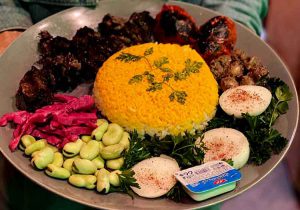
Historically, Bakhtiari tribes cooked this kebab using lamb and tail fat. Later, it evolved into a combination of chicken and lamb or veal. The habit of eating kebab with saffron rice (Chelow) and grilled tomatoes dates back to Nasser al-Din Shah Qajar, who was famously a kebab lover.
Today, Kabab Bakhtiari is often served on special occasions such as weddings, family gatherings, and official dinners.
If you have not tried this kebab yet, be sure to put it on your list of favorite foods! Do you want to know how you can easily make this delicious kebab at home? Stay with Meals Cook until the end of the article!
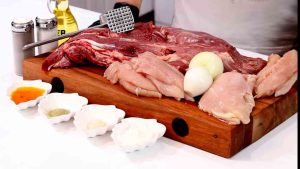
Ingredients :
| Ingredient | Amount | Notes |
|---|---|---|
| Boneless red meat (lamb, veal, or mutton) | 150 g (5.3 oz) | Cut into even cubes |
| Chicken breast fillet | 150 g (5.3 oz) | Use boneless, skinless pieces |
| Onions | 2 pcs | Slice thickly (do not grate) |
| Kiwi (optional) | 1 pc | Tenderizes meat; use briefly |
| Fresh lime juice | 4 tbsp | Add near the end of marinating |
| Olive oil | 2 tbsp | Helps coat spices evenly |
| Brewed saffron | 2 tbsp | Adds aroma and color |
| Salt & black pepper | As needed | Adjust to taste |
Instruction :
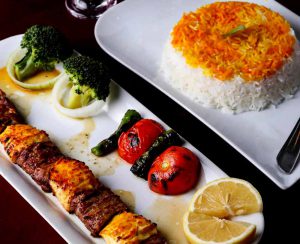
1. Onion Preparation
Slice the onions into large rings instead of grating. Grated onion sticks to the meat and burns while grilling, ruining the appearance.
2. Meat Preparation
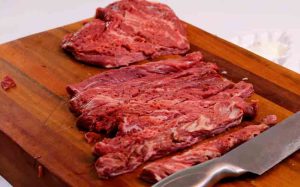
Cut both meats evenly into 3-inch cubes or rectangles. Uneven cuts lead to uneven cooking.
Mix lamb with onion slices, a bit of soy sauce, salt, and pepper, and leave for 12–24 hours in the refrigerator.
3. Chicken Preparation
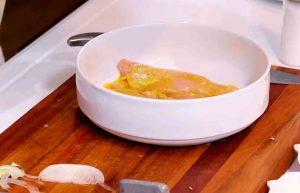
Mix chicken with onion juice, brewed saffron, salt, pepper, and olive oil. Marinate for 12–24 hours as well.
👉 Professional Tip: Kiwi can be added for 30–60 minutes to tenderize the meat naturally.
4. Mixing Before Cooking
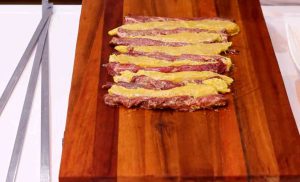
After marination, remove the onion slices, then combine the meats in one bowl. Add lime juice, olive oil, and pepper, and let it rest for 15 minutes.
5. Grilling and Serving
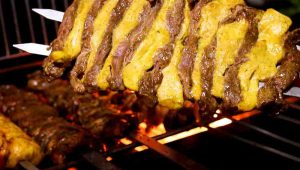
Thread the meat and chicken alternately on metal skewers — one lamb, one chicken — leaving no space between them. Grill over charcoal or open flame, turning constantly until golden and cooked through.
Brush the kebabs with melted butter and saffron during or after grilling for extra shine and aroma.
If you don’t have charcoal, you can cook them in a nonstick pan with minimal oil or in an oven at 180 °C (350 °F) for 30–40 minutes.
Veal Nutrition Facts
- Calories: 129
- Fat: 3.28g
- Sodium: 112mg
- Carbohydrates: 0g
- Fiber: 0g
- Sugars: 0g
- Protein: 24.6g
- Phosphorus: 268mg
- Potassium: 294mg
- vitamin B12: 2.99mcg
- Niacin: 8.19mg
sourced by:verywellfit.com
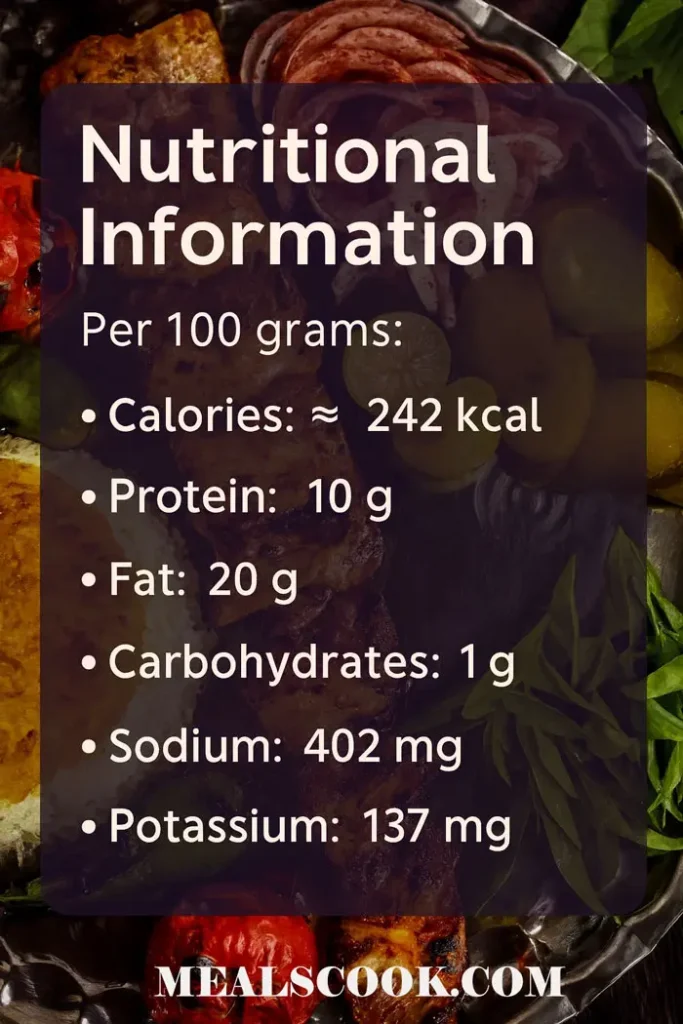
Nutritional Information
Per 100 grams:
-
Calories: ≈ 242 kcal
-
Protein: 10 g
-
Fat: 20 g
-
Carbohydrates: 1 g
-
Sodium: 402 mg
-
Potassium: 137 mg
👉 Note: When grilled properly, Persian kebabs are rich in protein and relatively low in fat — a healthy option for meat lovers.
Kabab Bakhtiari vs. Kabab Soltani
-
Bakhtiari Kebab: Both chicken and red meat on one skewer — a perfect mix for those who enjoy both flavors.
-
Soltani Kebab: Served with two separate skewers — one of Koobideh (minced meat) and one of Barg (lamb fillet).

NOTES :
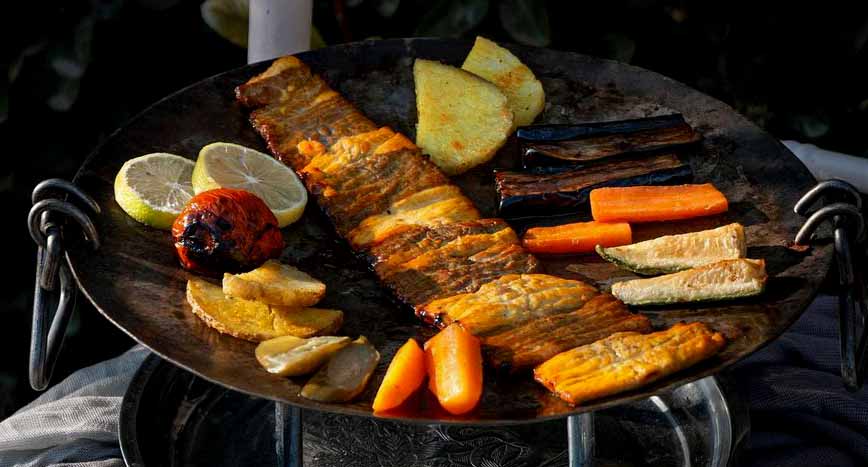
Grilling without charcoal:
1. If you do not have the possibility of grilling with charcoal, you can make them in the pan. In this way, we put a little oil in the brush, completely grease the pan, and put it on the heat.
2. Then we put the kebab skewers in the pan and turn the heat down first so that the meat does not burn, and after the color of the meat changes, we turn them over to the other side so kebabs catches itself and then reduce the heat.
3. Next, we let the kebabs fry, and you can use all kinds of vegetables besides tomatoes with this kebab (such as grilled mushrooms, grilled peppers, or even fried potatoes)and enjoy this tasty kebab with rice.
“Bakhtiari kebab is a showstopper on its own, but serving it alongside other Persian classics makes for a perfect feast. If you want to add a ground meat dish without the hassle of skewering over fire, try our easy Koobideh recipe oven method.
FAQ






HI
can i make any kabab in oven?
Hi dear Lara, Yes you can make Bakhtiari kabab in the oven and We have explained this issue in this article