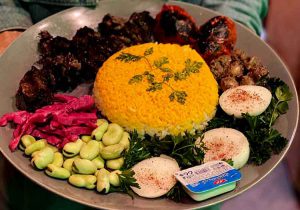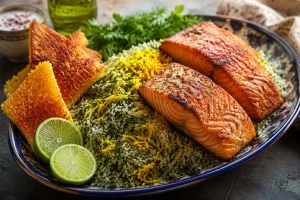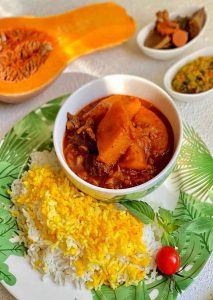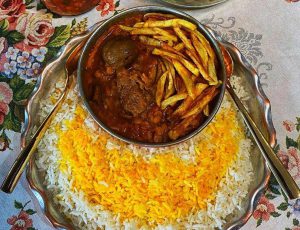


Iranian Jeweled Rice with Chicken (Shirin Polo)
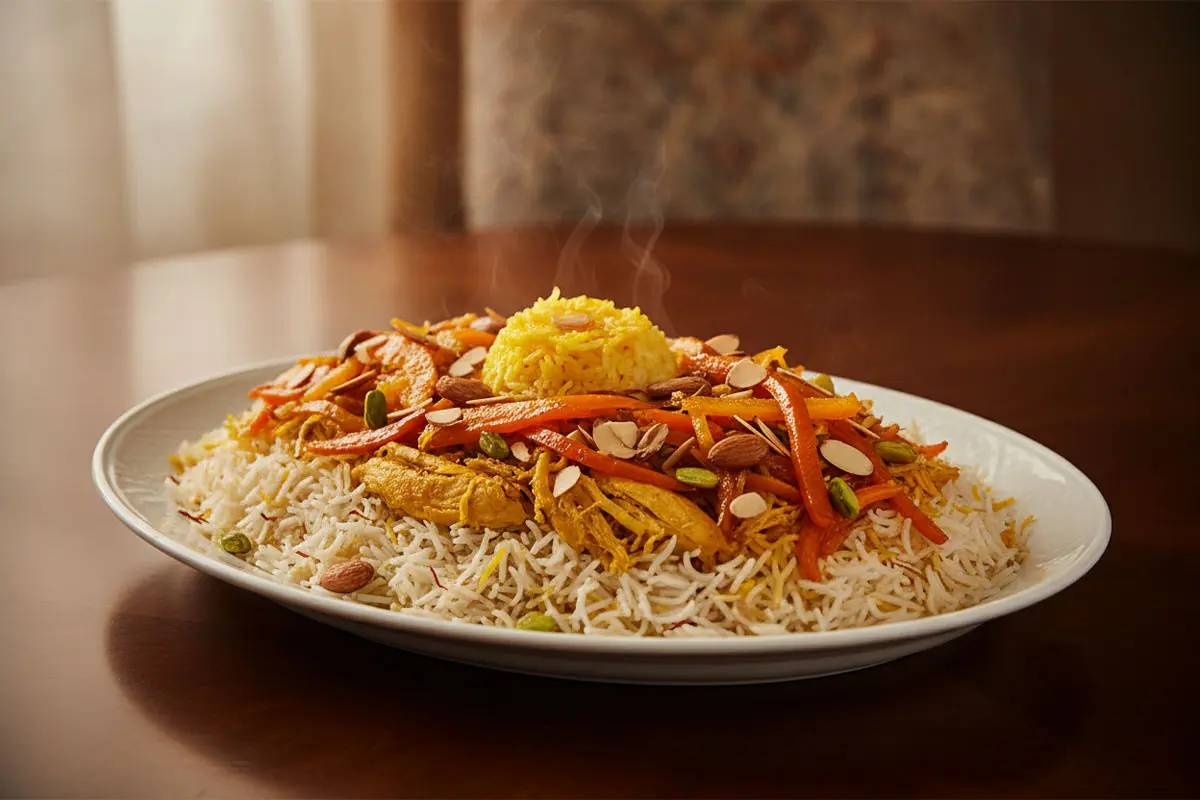
Shirin Polo, often celebrated as Persian Jeweled Rice or “wedding rice,” is one of the most luxurious and aromatic centerpieces in Iranian cuisine.
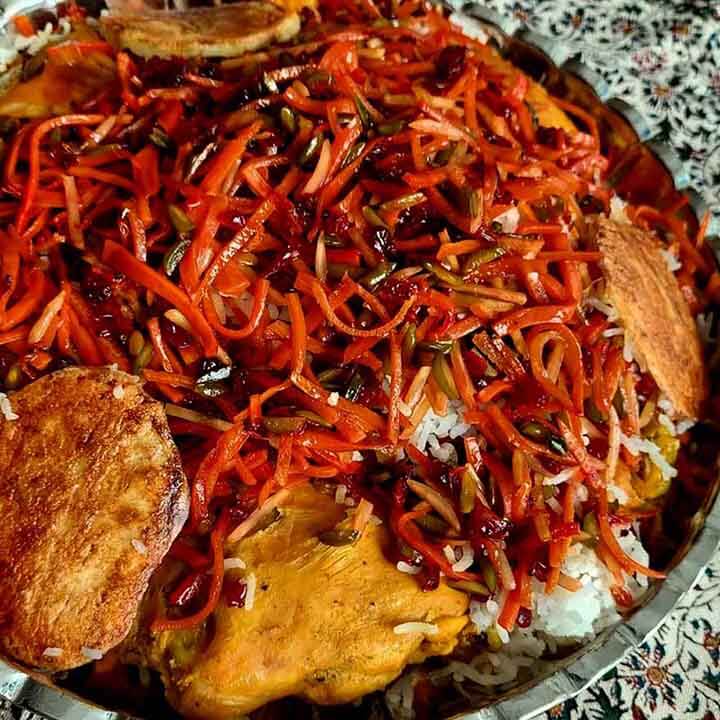
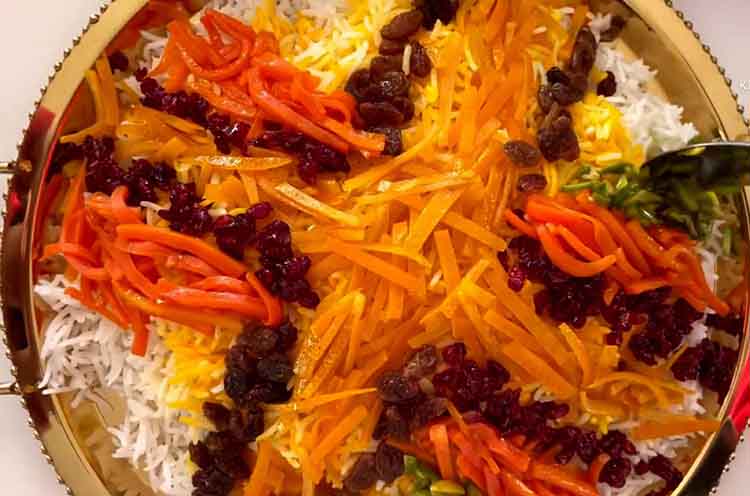
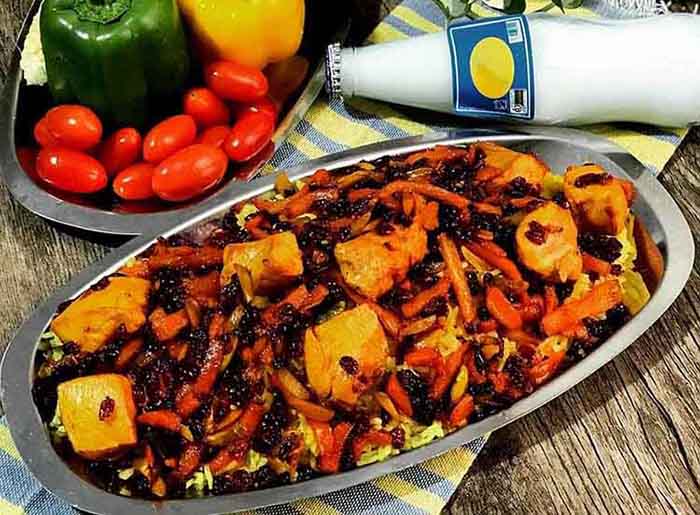
Traditionally prepared for celebratory banquets and festive gatherings, this dish layers fluffy basmati rice with golden saffron-infused chicken, tender julienned carrots, slivered almonds and pistachios, and subtly candied orange zest.
While it delivers an intricate balance of sweet and savory notes, mastering this royal Persian pilaf at home is surprisingly straightforward with the right step-by-step technique.
History & Cultural Roots

Shirin Polo boasts a rich culinary heritage dating back to ancient Persia. Historically favored during royal feasts and state banquets from the Sassanid era to the Safavid and Qajar courts, saffron-steamed rice dishes have always represented Persian hospitality and prosperity.
Today, alongside other celebrated Persian mixed rice dishes like Albaloo Polo and Loobia Polo, Shirin Polo remains a cherished hallmark of Middle Eastern culinary tradition.
1. Shirin Polo ba Morgh (Sweet Jeweled Rice with Chicken)
For: 4 people
Preparation time: 1 hour
Cooking time: 1 hour
Ingredients:


| Ingredient | Measurement |
|---|---|
| Long-grain Basmati Rice | 5 cups |
| Chicken breasts (medium) | 2 pcs |
| Carrots (medium, julienned) | 3 pcs |
| Brewed saffron | 3 tbsp |
| Butter | 50 g (approx. 1.7 oz) |
| Granulated sugar | 1 cup (adjust to taste) |
| Orange peel/zest (thinly sliced) | 100 g (approx. 3.5 oz) |
| Slivered almonds | 100 g (approx. 3.5 oz) |
| Slivered pistachios | 50 g (approx. 1.7 oz) |
| Yellow onions (medium) | 4 pcs |
| Rose water | 2 tbsp (for soaking nuts) |
| Salt, black pepper, and turmeric | As needed |
| Cooking oil | As needed |
Instruction:
1. Prepare the Candied Orange Peel and Nut Toppings
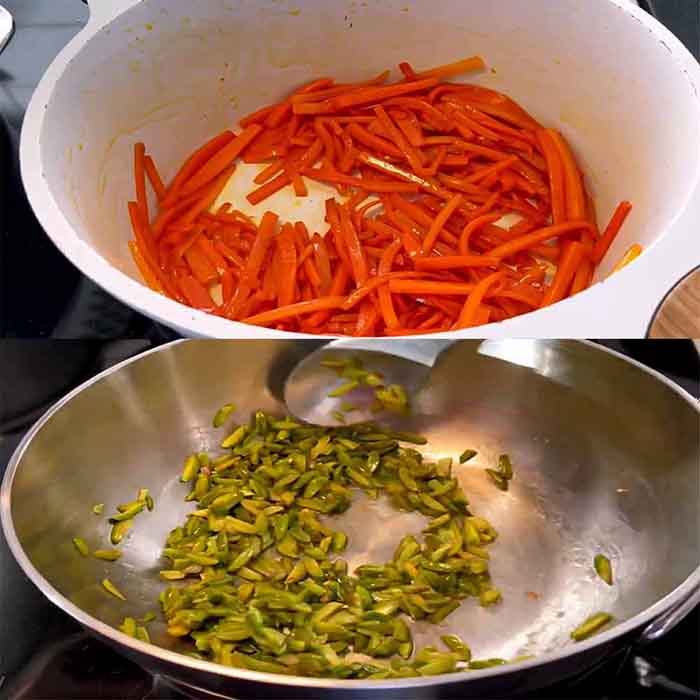
- Soak the slivered almonds and pistachios in 2 tablespoons of rose water for 15–20 minutes to soften and enhance their aroma, then gently sauté them in half a teaspoon of butter for 1 minute. Set aside.
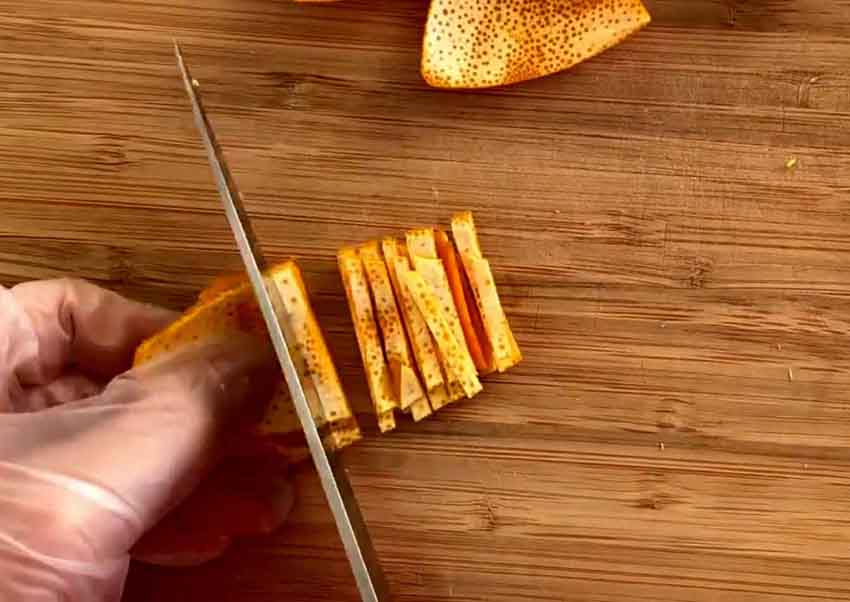
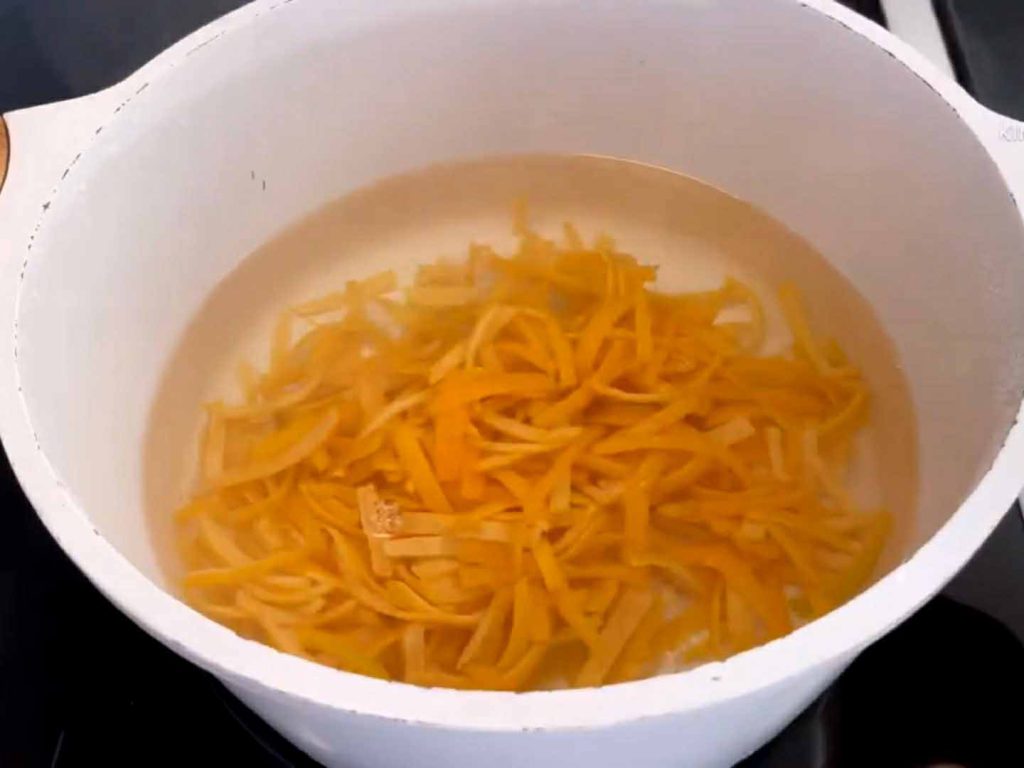
- To remove the natural bitterness of the orange peel, place the julienned peels in a small pot of water, bring to a boil for 5 minutes, drain, and repeat this process twice.
- After the final blanching, simmer the drained peels in 3 tablespoons of water mixed with 3 tablespoons of sugar for 10 minutes until glossy and candied.
- Grate or finely julienne the carrots. Cook them in a pan with 2 tablespoons of water until tender; once the water evaporates, sauté with 1 tablespoon of butter and 1 tablespoon of sugar until caramelized.
2. Cook the Chicken
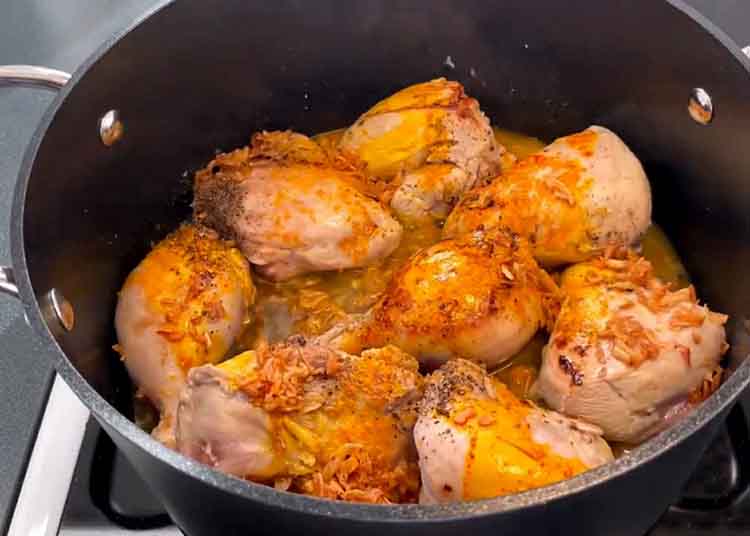
- Dice 2 onions and place them in a pot with the chicken breasts, a pinch of turmeric, salt, black pepper, and enough water to submerge the meat. Simmer over medium heat until fully tender (approx. 30–40 minutes).
- Remove the chicken and shred it into bite-sized pieces. Strain and reserve 1 cup of the rich chicken broth for later.
3. Sauté and Assemble the Meat Filling
- Thinly slice the remaining 2 onions and fry them in a skillet until golden brown.
- Add the shredded chicken to the caramelized onions and sauté for 3–4 minutes.
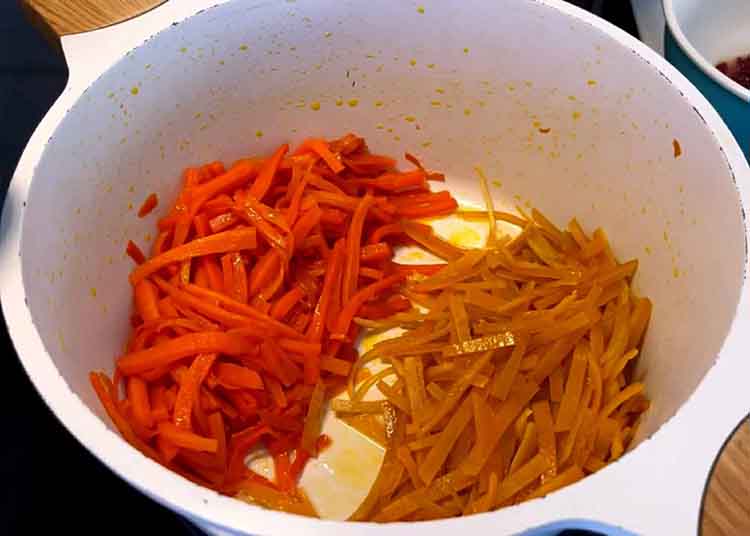
- Stir in the sautéed carrots, candied orange peel, reserved chicken broth, and 2 tablespoons of brewed saffron. Allow the mixture to simmer gently over low heat until the liquid reduces and the flavors meld together.
4. Cook the Rice and Layer
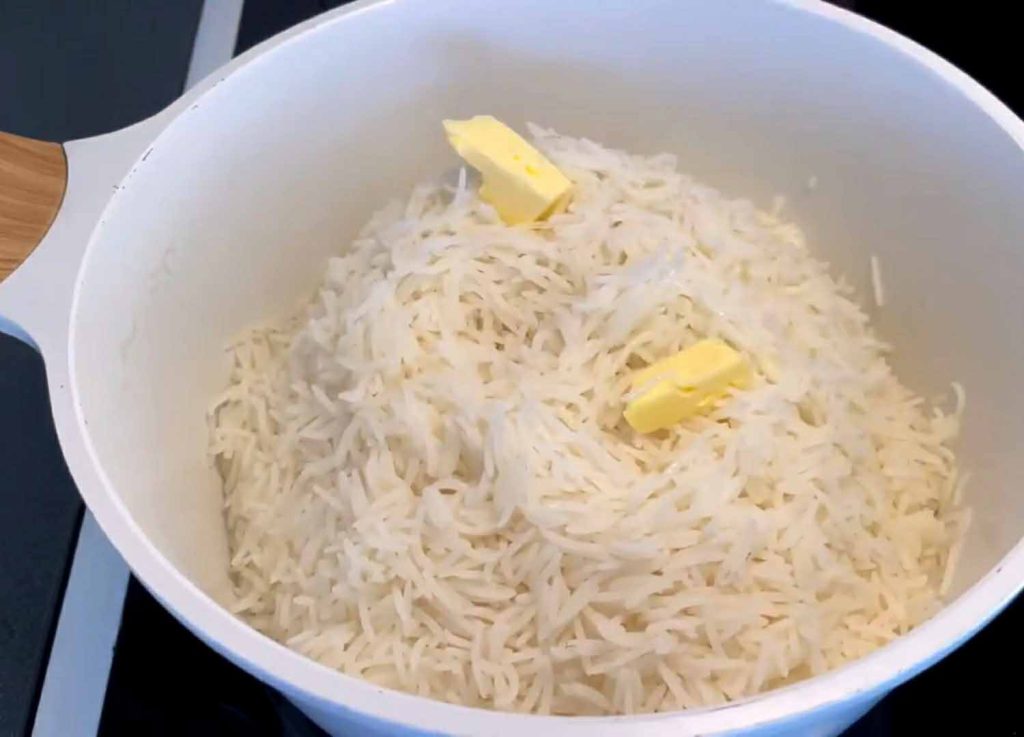
- Parboil the soaked basmati rice in a large pot of salted boiling water until the exterior is soft, but the center remains slightly firm (al dente, approx. 6–8 minutes), then drain in a colander.
- In a heavy-bottomed non-stick pot, heat 2–3 tablespoons of oil. If desired, arrange thin slices of potato or flatbread at the bottom to form a crispy Tahdig.
- Layer the parboiled rice and the chicken mixture alternately, forming a mound/pyramid shape. Drizzle the remaining brewed saffron and a drizzle of melted butter over the top.
- Cover the pot with a lid wrapped in a clean kitchen towel (damkoni) and steam on low heat for 40–45 minutes.
- Transfer to a serving platter, garnish generously with the sautéed almonds, pistachios, and optional fried barberries (zereshk).
Chef’s Secret to Perfection:
The soul of a true Shirin Polo lies in the balance of its aromatics—nothing should overpower the other. In my kitchen, the ‘candied orange peel’ is the make-or-break element. My secret is the triple-blanch method: boiling the julienned peels in three separate changes of water until they turn translucent, then slowly simmering them in a light sugar syrup.
This ensures the peel is sweet and tender, not bitter or chewy. Also, never rush the final steaming process; let the rice ‘breathe’ under the damkoni (towel-wrapped lid) for a full 40 minutes. When you finally lift the lid, the aroma should be a delicate, layered harmony of citrus, rosewater, and earthy saffron—that is how you know you’ve mastered the dish.
Alternative: Shirin Polo with Meatballs (Koofteh Ghelgheli)
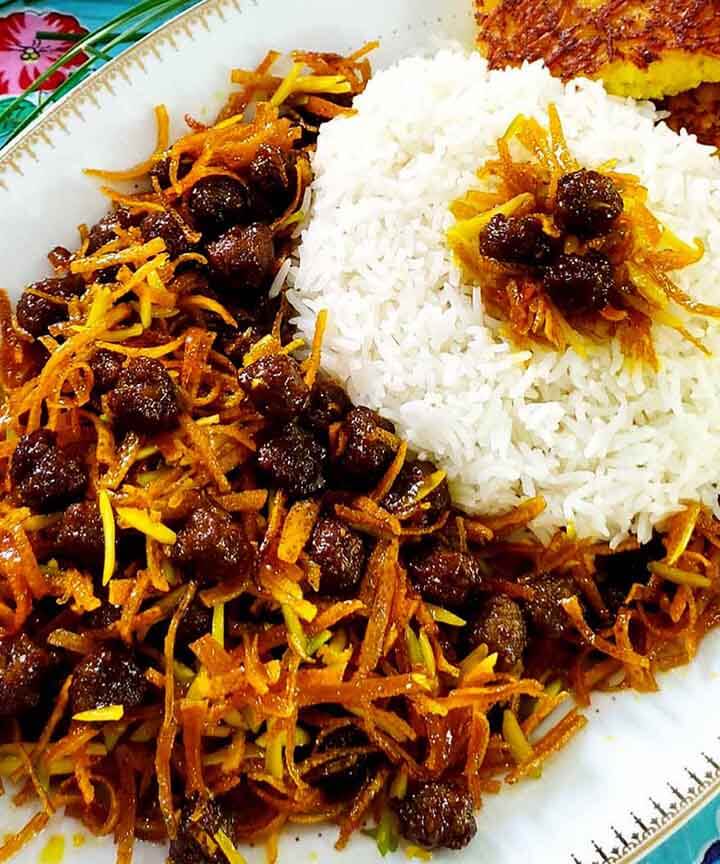
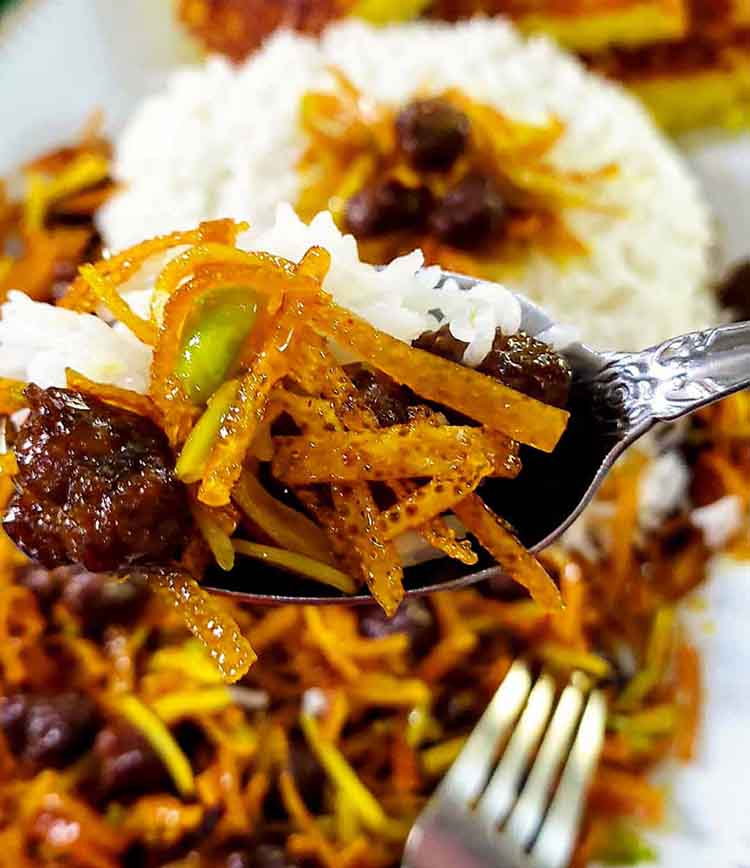
If you prefer red meat over chicken, you can easily substitute the chicken with Persian-style mini meatballs:
- Mix 500g (approx. 1.1 lbs) of lean ground beef or lamb with 1 finely grated onion (excess water squeezed out), salt, black pepper, and turmeric. Knead thoroughly until pliable.
- Shape the mixture into bite-sized meatballs (hazelnut to walnut size) and sear them in a pan with oil until browned on all sides and cooked through.
- Layer or garnish the meatballs over the steamed saffron rice alongside the candied zest, caramelized carrots, and nuts.
Pro Chef Tips for the Best Shirin Polo
- Ice-Brewed Saffron: For a deeper crimson color and potent aroma, brew your ground saffron with a single ice cube at room temperature rather than boiling water.
- Warm Spices: A gentle pinch of ground cardamom and cinnamon added to the chicken or meat filling elevates the authentic aroma.
- Serving Suggestion: Serve hot accompanied by Mast-o-Musir (Persian shallot yogurt), fresh Salad Shirazi, and traditional chilled Doogh.
FAQ
1. How can I make the orange peel less bitter for Shirin Polo?
The key to reducing bitterness is proper blanching. Boil the julienned orange peels in water for about 5 minutes, then drain and discard the water. Repeat this process two more times. After the third blanch, simmer the peels in a light sugar syrup until they are tender and slightly candied. This method effectively removes the bitter oils.
2. Can Shirin Polo be made vegetarian or vegan?
Absolutely! To make it vegetarian, omit the chicken or meatballs. You can enhance the dish’s richness by sautéing mushrooms or adding extra barberries and caramelized onions. For a vegan version, use vegetable oil or vegan butter instead of regular butter, and omit any dairy accompaniments.
3. What’s the best way to brew saffron for maximum color and flavor?
The pro tip is to “ice-brew” your saffron. Grind the saffron threads into a powder and place them in a small heatproof bowl with a tablespoon or two of ice-cold water. Let it sit at room temperature for 15-20 minutes. This method extracts more color and aroma than using hot water.
4. What distinguishes Shirin Polo from other Persian rice dishes like Havij Polo?
While both dishes often feature carrots and saffron rice, Shirin Polo is distinctively a festive dish. Its signature elements are the sweet, candied orange peel and the inclusion of slivered nuts (almonds and pistachios), along with chicken or meatballs. Havij Polo, or carrot rice, is typically a simpler dish without these elaborate additions.
5. How can I achieve the perfect crispy ‘Tahdig’ (bottom rice crust)?
The secret to great Tahdig is a good non-stick, heavy-bottomed pot. After draining the rice, heat a generous amount of oil (or a mixture of oil and yogurt) in the pot before layering the rice. Ensure the initial heat is medium-high for the first 5-7 minutes to set the crust, then reduce the heat to very low and steam for at least 40-50 minutes without peeking.