

Yalda Night, also known as Shab-e Cheleh, is one of Iran’s most beautiful ancient traditions, marking the winter solstice and the longest night of the year.
This occasion is a chance for families and friends to gather, exchange stories, and enjoy a variety of traditional and delicious foods and treats. By consuming these special foods, Iranians bid farewell to the darkness and celebrate the return of light and the sun’s warmth.
The selection of foods for Yalda Night is deeply rooted in Iran’s rich history and culture, with each dish carrying profound symbolic meanings.
Complete List of 30 Yalda Night Foods & Delicacies
| # | Food / Dish Name |
|---|---|
| 1 | Pomegranate (Anar) Symbolic Fruit |
| 2 | Watermelon (Hendevaneh) Symbolic Fruit |
| 3 | Ajil-e Shab-e Yalda Traditional Nut Mix |
| 4 | Fesenjan Pomegranate & Walnut Stew |
| 5 | Sabzi Polo ba Mahi Herb Rice with Fish |
| 6 | Morgh Nardoon Pomegranate Chicken Stew |
| 7 | Anar Polo Pomegranate Rice |
| 8 | Laboo Polo Beetroot Rice |
| 9 | Morgh Torsh Northern Sour Chicken Stew |
| 10 | Anarbij Gilani Walnut & Herb Stew |
| 11 | Morgh-e Shekam Por Stuffed Chicken |
| 12 | Khoresht Beh Aloo Quince & Plum Stew |
| 13 | Khoresh Kadoo Halvaie Butternut Squash Stew |
| 14 | Ash-e Reshteh Noodle & Herb Soup |
| 15 | Ash Anar Pomegranate Soup |
| 16 | Ash-e Choghandar Beetroot Soup |
| 17 | Kuku Sabzi Herb Frittata |
| 18 | Pumpkin Kuku (Kuku Kadu) Pumpkin Pancakes/Frittata |
| 19 | Pomegranate Kuku Kuku with Pomegranate Seeds |
| 20 | Watermelon-Feta Salad Salad |
| 21 | Pomegranate Chicken Salad Salad |
| 22 | Beetroot & Pomegranate Salad Salad |
| 23 | Kaale Seerabeh Salad with Pomegranate Dressing |
| 24 | Sholeh Zard Saffron Rice Pudding |
| 25 | Butternut Squash Dessert Dessert |
| 26 | Pomegranate Tahchin Saffron Rice Cake (Sweet variant) |
| 27 | Khagineh Khorma Zanjan Date Omelette |
| 28 | Mulled Pomegranate Drink Warm Drink |
| 29 | Pomegranate Granité Cold Drink/Dessert |
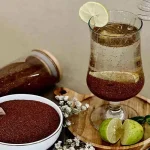
| 30 | Watermelon Lemonade Cold Drink |
Yalda Night Feast video:
Cultural Symbols and the Philosophy of Yalda Foods
The choice of fruits and dishes for Yalda is not merely for taste, but for deep symbolic representation.
-
Pomegranate (Anar): The most iconic symbol of Yalda. Its red color and numerous seeds represent fertility, life, prosperity, and the rising sun, symbolizing light conquering darkness.
-
Watermelon (Hendevaneh): Its fresh red color and summer associations signify warmth, vitality, and protection against the cold of winter.
-
The Color Red: Seen in pomegranates and watermelons, it represents life, joy, passion, and the victory of light over darkness.
-
Noodles (Reshteh): As used in Ash-e Reshteh, they symbolize long life, blessings, and good fortune.
Top 12 Yalda Night Main Dishes
In the following, we introduce 6 important Iranian dishes that are prepared by Iranians on Yalda night.
1. Fesenjan(Persian Pomegranate & Walnut Stew)

Number 1 and the favorite food of the people of Taleghan. Finally, we have reached the best Iranian food. If it were up to me, I would eat this food from breakfast to dinner. I think there is no other food in the history of food that is more festive, simple, and delicious than Fasanjan.
The attractive hot and sour walnut kernel powder and chicken or meat with pomegranate paste can decorate any table, especially the Yalda night table.
If it were me, I would say that the best Yalda night food is Fesenjan stew, and I would not write the rest of the article, but I should not prefer my taste to others.
Regional variations:
-
Northern Iran: sour and rich
-
Central Iran: sweeter, often with chicken or turkey
-
Azerbaijan: semi-sweet, sometimes enhanced with dates or dried apricots
A vegan version is also common today.
2. Ash anar(Pomegranate Soup)
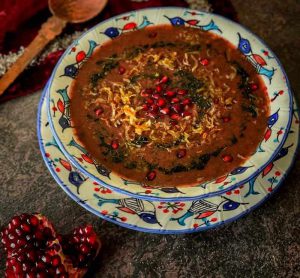
And number 2 is Yalda night food and Pomegranate soup. All types of soup have always been lovely to me because they are full of vitamins, minerals, and proteins in addition to the good taste. The neck is separated from the rest of the Ash anar. An attractive, delicious, and beautiful combination for your Yalda table.
Regional differences:
-
Gilan: fully meatless
-
Shiraz: includes tiny meatballs
3. Morgh Nardoon(Pomegranate Chicken Stew)

Don’t forget number 3, again from Gilan, and again a sour dish with chicken and pomegranate paste. Due to the presence of pomegranate and paste and its beautiful appearance on Yalda night table, my choice is khoresh morgh nardoon as the top three. I already posted the recipe for my food for you.
The combination of chicken with pomegranate and pomegranate concentrate has always been beautiful and delicious
Taste profile: a perfect sweet-sour balance.
4. Sabzi polo ba mahi(Herb Rice with Fish)
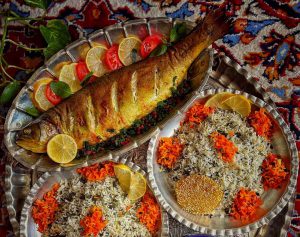
Number 4 of Yalda Night Foods is dedicated to sabzi polo ba mahi. You may wonder why this popular dish is not chosen number one. If I want to be honest with you, I could put this dish at the top of the table, but because I don’t like fish very much, I put it forth and hope fish fans forgive me.
This dish can be served with its beautiful shape and sometimes with coco sabzi as an authentic dinner on cold winter nights.
5. Morgh Torsh(Northern Sour Chicken Stew)

Number 5 of Yalda Night Foods is dedicated to an authentic Gilani dish. I invite the fans of sour and sour food to see the recipe for Morgh Torsh Gilani we have already posted. The reason for choosing this dish for Yalda night is the presence of pomegranates and jam in this dish. You can put this stew on your Yalda table by decorating it with pomegranate.
6. Khoresh kadoo halvaie(Butternut Squash Stew)

No. 6 of Yalda night foods is khoresh kadoo halvaie, which is very tasty and beautiful. With the arrival of winter, pumpkin fruit also arrives. In addition to the stew, you can also prepare delicious desserts and shakes with pumpkin.
If you want a delicious and very special stew, I suggest this stew.
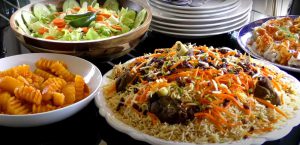
7. Anar Polo (Pomegranate Rice)

Anar Polo is one of the most symbolic and festive dishes of Yalda Night, thanks to its bright red pomegranate seeds and fragrant saffron aroma. This dish is especially popular in Shiraz and Qazvin, where families prepare it as part of their winter celebrations.
Detailed Description:
Anar Polo is prepared by layering fluffy steamed rice with shredded cooked chicken, fresh pomegranate seeds, and slivered almonds and pistachios. The addition of butter and saffron gives the rice a golden aroma and luxurious flavor.
Some families prefer a sweeter version, adding raisins or a hint of sugar to balance the natural tartness of the pomegranate. Others prepare a more tangy version, using pomegranate paste or verjuice.
The final dish has a beautiful, festive color palette—ideal as a centerpiece for the Yalda table.
8. Laboo Polo (Beetroot Rice)

Laboo Polo is a vibrant, eye-catching rice dish whose deep red color perfectly matches the symbolic theme of Yalda Night. It is especially common in central Iran during winter gatherings.
Detailed Description:
This mixed rice is prepared using fresh beets, which are sliced or grated and cooked slowly to release their natural sweetness and ruby red color. The beet syrup gently colors the rice, creating a warm and visually striking dish.
Families may prepare Laboo Polo in two styles:
-
Mixed rice: beets cooked with rice, layered with sautéed onions and cooked chicken
-
Beetroot Tahchin: a festive version using yogurt, saffron, and eggs, then baked to form a golden, crispy crust
The dish is traditionally served with yogurt, pickles, or fresh herbs, balancing its natural sweetness.
9. Anarbij (Gilani Walnut & Herb Stew)

A treasured regional dish from Gilan Province, Anar bij is often compared to Fesenjan but has a distinct flavor due to its use of fragrant northern herbs.
Detailed Description:
This stew is made with ground walnuts, pomegranate paste, and a unique blend of aromatic herbs such as chochagh, anarbij greens, and khakshir—plants native to northern Iran.
The herbs are sautéed until dark and fragrant, then slowly simmered with the walnut mixture until the stew thickens to a rich, glossy texture.
Anarbij is typically more herb-forward and savory than Fesenjan, with a pleasant tartness from the pomegranate. It is served with kateh, the preferred style of rice in northern Iran.
10. Morgh-e Shekam Por (Stuffed Chicken)

Morghe Shekam Por is a luxurious and festive dish often served at family gatherings during Yalda and other celebrations.
Detailed Description:
The chicken is cleaned and stuffed with various ingredients depending on the region:
-
Northern Iran: aromatic herbs, wild plums, garlic, sour pomegranate paste
-
Central Iran: raisins, dried apricots, barberries, walnuts, cinnamon
The stuffed chicken is then slowly roasted until the skin becomes golden and crisp, while the inside remains tender and aromatic.
The stuffing absorbs the chicken juices and spices, turning into a deeply flavorful filling. Served with saffron rice, it becomes a centerpiece dish for the Yalda feast.
11. Khoresht Beh Aloo (Quince & Plum Stew)

A warm, fragrant stew perfect for late autumn and winter.
Detailed Description:
This dish is prepared using quince—a fruit that perfumes the stew with its floral aroma—and dried plums, which melt into a silky and sweet-sour sauce.
The stew can be made with lamb, beef, chicken, or as a vegetarian version using chickpeas.
Spices like cinnamon, cardamom, turmeric, and saffron give the stew a deep, comforting warmth ideal for cold Yalda nights.
The combination of quince and plums produces a balanced flavor that pairs beautifully with steamed basmati rice.
12. Yalda-Style Herb & Vegetable Dishes (Kuku Variations)
While stews dominate Yalda Night, some families prefer lighter dishes such as herb-based Kukus.
Detailed Description:
Popular options include:
-
Kuku Sabzi: packed with herbs like parsley, cilantro, dill, and chives
-
Pumpkin Kuku: made with grated pumpkin, eggs, and warm spices
-
Pomegranate Kuku (modern version): includes fresh pomegranate seeds and saffron
Kukus are cooked slowly until golden on both sides and cut into wedges.
These dishes add variety and lighter textures to the traditionally rich Yalda dinner spread.
Except for Iran, Yalda Nights, or winter solstice, is celebrated in other countries, including Afghanistan, Pakistan, Tajikistan, East Asia, Scotland, Africa, Bolivia, Peru, Ecuador, and Russia, with different rituals, foods, and traditions.
sourced:https://irandoostan.com/
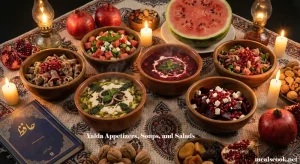
Yalda Appetizers, Soups, and Salads
-
Ash-e Reshteh: Rich in herbs, legumes, and noodles—perfect for cold winter nights.
-
Ash-e Choghandar (Beetroot Soup): A beautiful soup with beets, noodles, and legumes, sometimes sweet-sour.
-
Kaale Seerabeh Salad: Salad with a pomegranate dressing.
-
Watermelon-Feta Salad: A refreshing combination of watermelon, feta, mint, and cucumber.
-
Pomegranate Chicken Salad: Tender chicken mixed with pomegranate seeds and herbs.
-
Beetroot & Pomegranate Salad: A combination of earthy beetroot, tart pomegranate, and creamy feta.
- Pomegranate & Cucumber Salad(Salad Anar-o Khiar): A crisp and vibrant mix of fresh cucumbers and ruby-red pomegranate seeds, typically seasoned with dried mint and angelica powder for a unique aromatic twist.
Yalda Desserts and Drinks

-
Sholeh Zard: Golden saffron rice pudding symbolizing light and hope, decorated with rose water, cinnamon, and pistachios.
-
Butternut Squash Dessert: Pumpkin cooked in sweet saffron-cinnamon syrup.
-
Kuku Kadu (Pumpkin Pancakes): Gluten-free pancakes made with pumpkin purée, cardamom, rose water, rice flour, and walnuts.
-
Pomegranate Tahchin: A saffron rice cake embellished with pomegranate; can be made with or without chicken.
-
Pomegranate Granité: Refreshing shaved ice made from pomegranate juice, lemon, and sugar.
-
Mulled Pomegranate Drink: A warm aromatic drink perfect for winter nights.
-
Watermelon Lemonade: Cooling and fragrant, made from watermelon, lime, and rosewater.
Yalda Snacks & Ceremonial Items

-
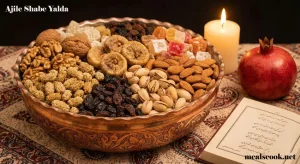
Ajil-e Shab-e Yalda (Traditional Nut Mix): A must-have platter of walnuts, pistachios, almonds, dried fruits representing prosperity and abundance.
-
Khagineh Khorma (Zanjan Date Omelette): A warm, sweet Yalda specialty from Zanjan made with dates, cinnamon, ginger, walnuts, and eggs.
Yalda Night & Traditional Foods FAQ
Consuming these fruits is not just about flavor; it is deeply symbolic. The vibrant red color of pomegranates and watermelons represents the glow of life, the rising sun, and the triumph of light over darkness. Specifically, pomegranates symbolize fertility and prosperity, while watermelons are believed to protect the body against the winter cold.
While traditions vary by family, Fesenjan (Pomegranate & Walnut Stew) is often cited as the top choice due to its festive nature and use of pomegranate paste. Sabzi Polo ba Mahi (Herb Rice with Fish) is another classic favorite. However, many families simply choose a favorite local dish that brings everyone together.
Yes, the flavor profile changes significantly across Iran. In Northern provinces like Gilan, Fesenjan is typically prepared to be sour and rich. In Central Iran, families often prefer a sweeter version, while in Azerbaijan, it is often semi-sweet and may include dried apricots or dates.
The Yalda spread is quite friendly to plant-based diets. Khoresh Kadoo Halvaie (Butternut Squash Stew) and Ash Anar (Pomegranate Soup)—especially the Gilani version made without meat—are excellent choices. Additionally, the walnut-pomegranate base of Fesenjan can easily be made vegan by substituting chicken with meatballs made from veggies or simply omitting meat.
Noodle soup holds a special place in Iranian culture. The “Reshteh” (noodles) symbolize a long life, good fortune, and the unraveling of life’s difficulties. Serving it on the longest night of the year is a wish for a blessed and prosperous future for the guests.
These are festive mixed-rice dishes that perfectly match the Yalda color theme. Anar Polo features fresh pomegranate seeds and chicken, while Laboo Polo uses beetroot to dye the rice a stunning deep red. Both dishes are visually striking centerpieces that celebrate the season’s produce.
Beyond fresh fruit, families enjoy sweets that feature warm spices and seasonal ingredients. Sholeh Zard (Saffron Rice Pudding), pumpkin desserts, and Baslogh are very common. In some regions like Zanjan, a date omelet called Khagineh Khorma is also served as a warm, energy-boosting treat.
No, the tradition of celebrating the winter solstice extends beyond Iranian borders. It is observed in countries such as Afghanistan, Tajikistan, Pakistan, and even parts of Russia and Ecuador, each adding their own unique local rituals and food traditions to the event.
Northern Iran offers a variety of sour, herb-rich dishes. Apart from sour Fesenjan, typical dishes include Morgh-e Torsh (Sour Chicken), Anarbij (a stew similar to Fesenjan but with local herbs), and Morgh Nardoon, which features chicken cooked with pomegranate seeds.
Historically, and still in some households, food is served on a Kursi—a low table covered with a heavy blanket with a heater underneath. Family members gather around, tucking their legs under the blanket for warmth, snacking on “Ajil” (nuts), and reading poetry by Hafez while enjoying the spread.
Finally, if you have any memories of Yalda night foods and even Yalda night with your family, please write to me in the comments, and we will reminisce.