


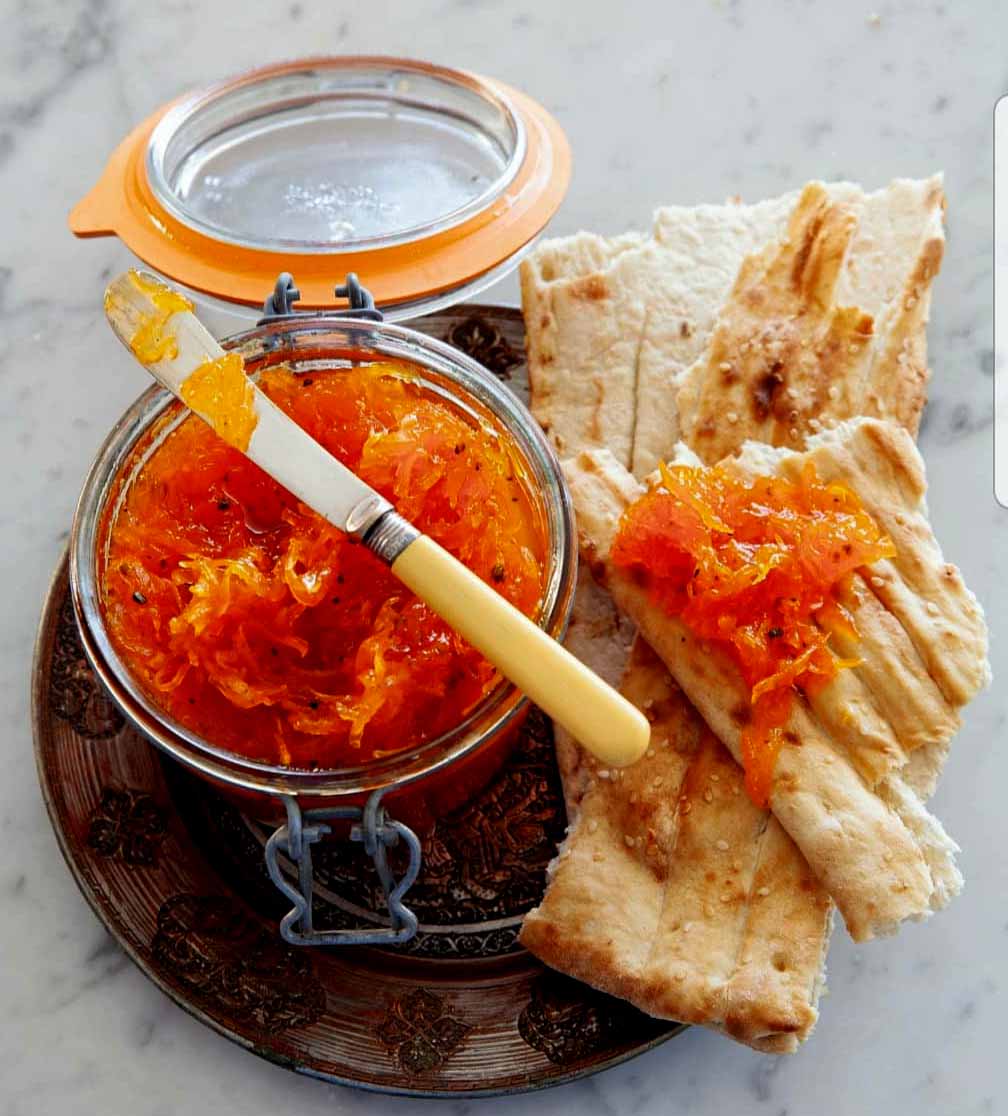
Moraba Havij (Persian Carrot Jam) is distinct from any other carrot preserve you might have tasted. Unlike Western carrot cakes or chutneys, this Iranian classic treats carrots like a fruit.
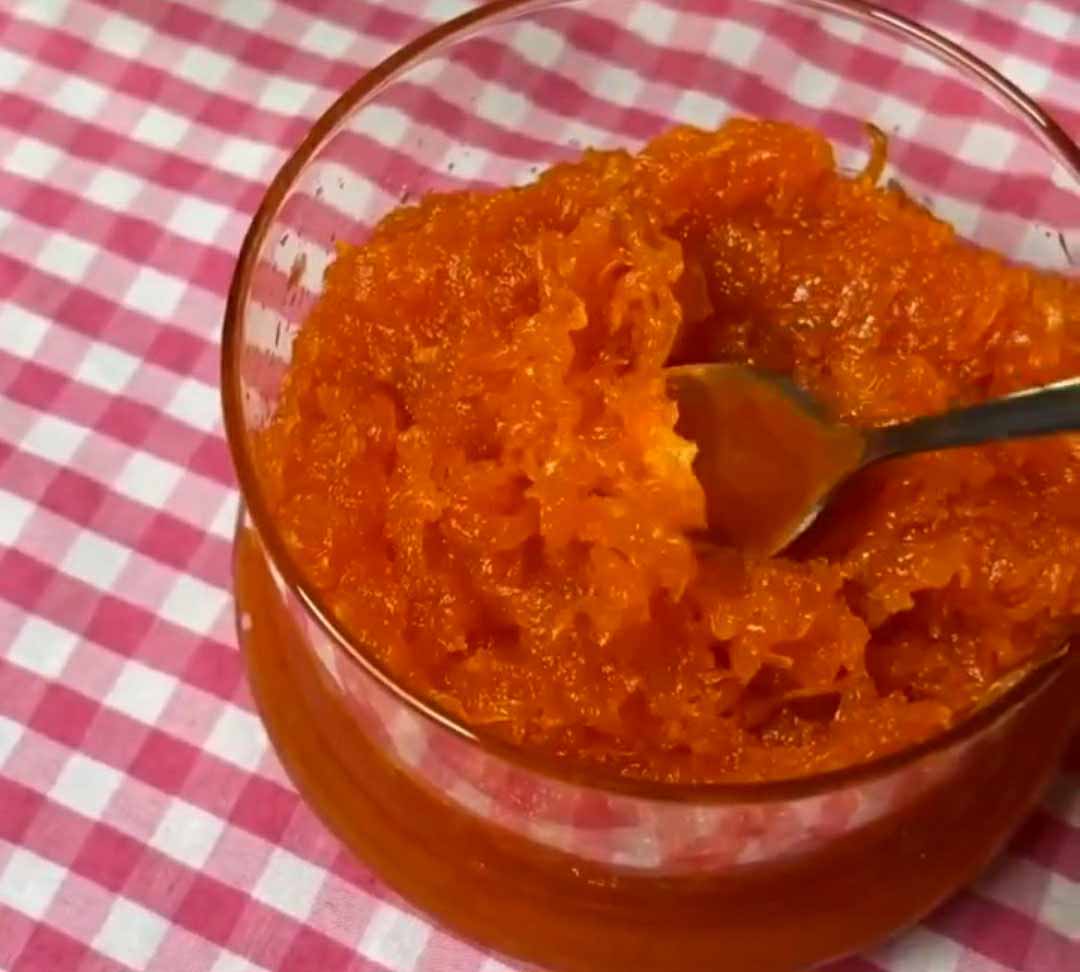
When grated and slow-cooked with sugar, saffron, and rose water, carrots transform into a translucent, glowing orange jam with a delightful texture—slightly crunchy yet tender.
It is the heart of a traditional Persian breakfast (Sobhaneh), typically served with hot Barbari bread, unsalted butter, or feta cheese and walnuts. In this guide, I will teach you the secrets to achieving that perfect “glassy” look and preventing the jam from crystallizing.
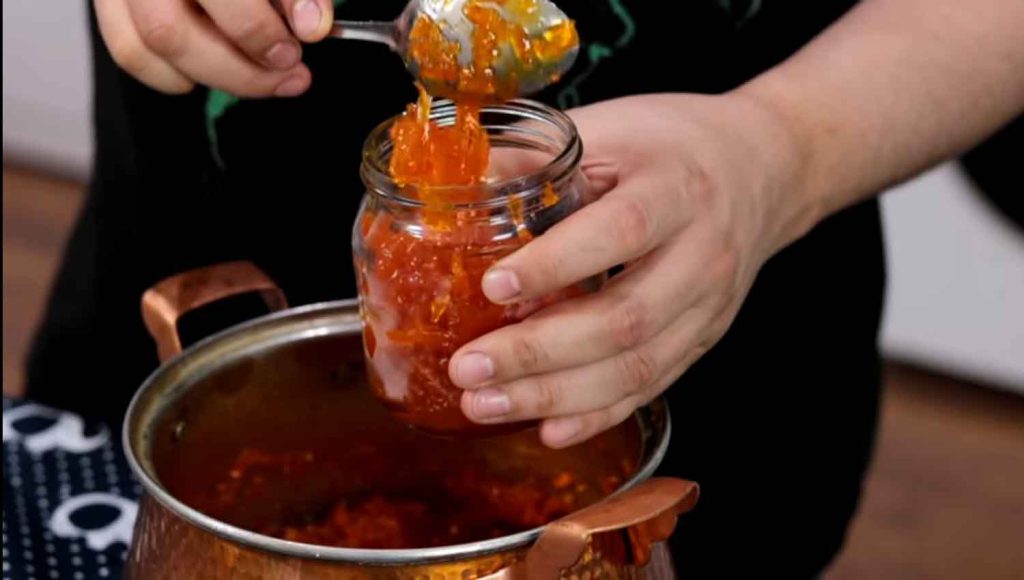
The amount of ingredients stated in this recipe will give you about 2.2 pounds of jam, which you can increase or decrease by simple multiplication and division.
So be with us in this article in Meals Cook site to learn how to make this jam.
How to make Moraba Havij?
For: 6 people
Preparation time: 1 hour
Cooking time: 3 hours
Ingredients:
To get the authentic Persian taste, Saffron and Rose Water are highly recommended.
| Ingredient | Quantity | Notes |
|---|---|---|
| Carrot | 1.1 lbs (500g) | Peeled & Grated |
| Granulated Sugar | 1.1 lbs (500g) | Equal weight to carrots |
| Water | 2 Cups | Cold water |
| Brewed Saffron | 1-2 Tablespoons | Essential for aroma |
| Lemon Juice | 1 Tablespoon | Prevents crystallization |
| Rose Water | 1-2 Tablespoons | Add at the very end |
| Cardamom Pods | 2-3 Pods | Optional |
Step-by-Step Instructions
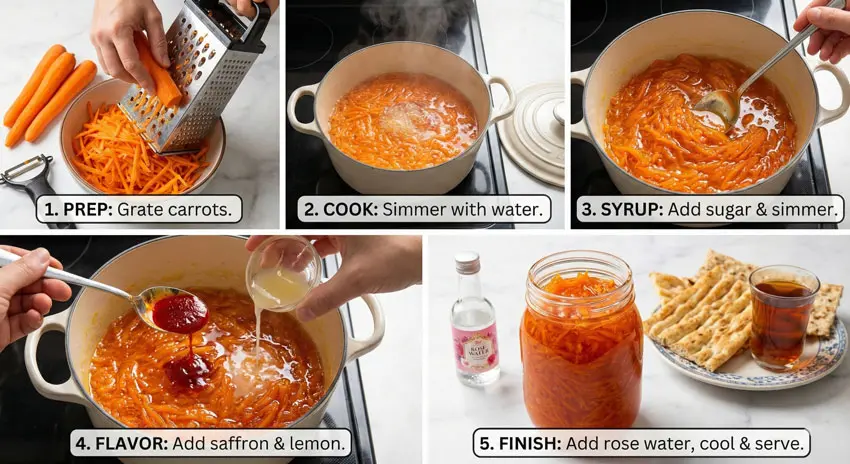
Step 1: Prep the Carrots
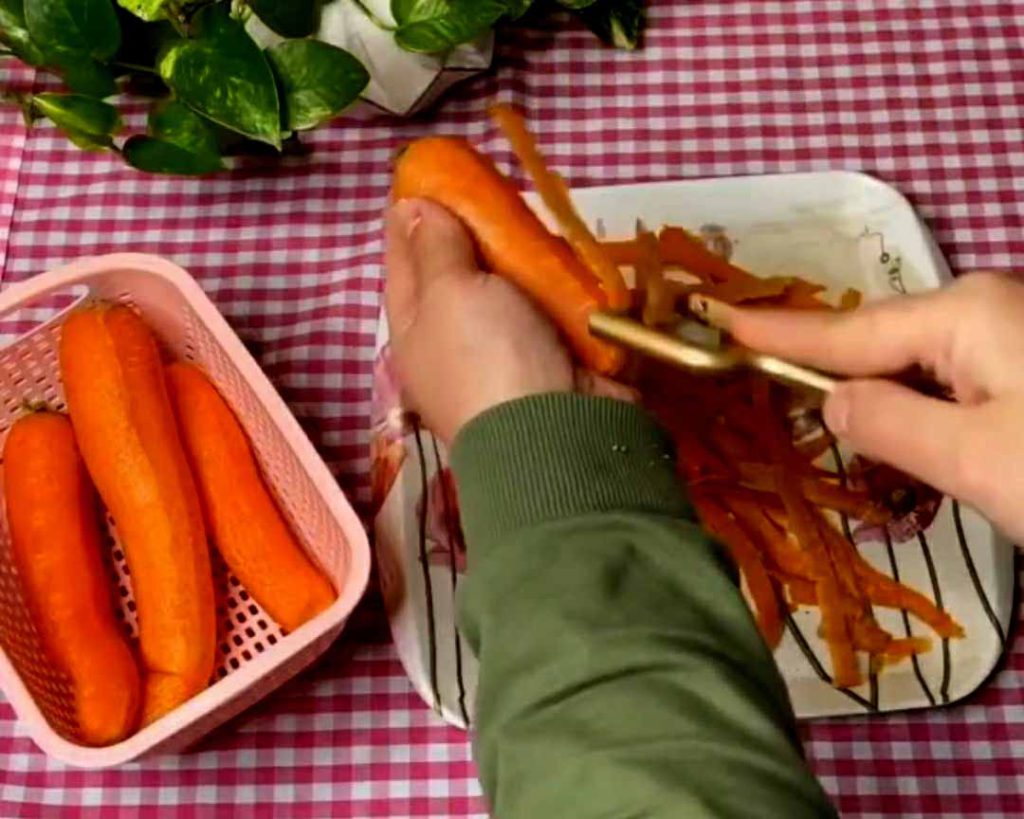
Wash and peel the carrots. Grate them using a standard box grater.
-
Texture Tip: For a traditional texture, grate them into thin strips. If you prefer a smoother jam, you can use a food processor, but the classic version has visible carrot strands.

Step 2: The Initial Cook
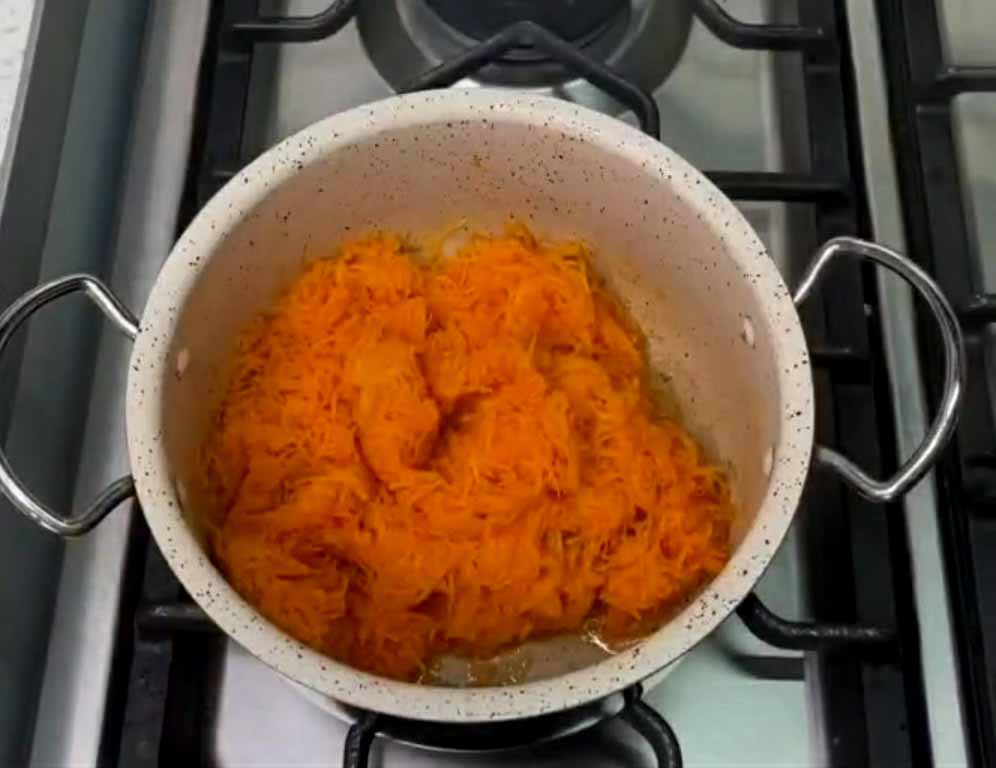
Place the grated carrots in a pot (enamel or non-stick is best). Add the 2 cups of water. Cover the pot and let it simmer on medium heat for about 20 minutes. We want the carrots to soften slightly before adding the sugar. This prevents them from becoming tough or rubbery.
Step 3: Creating the Syrup
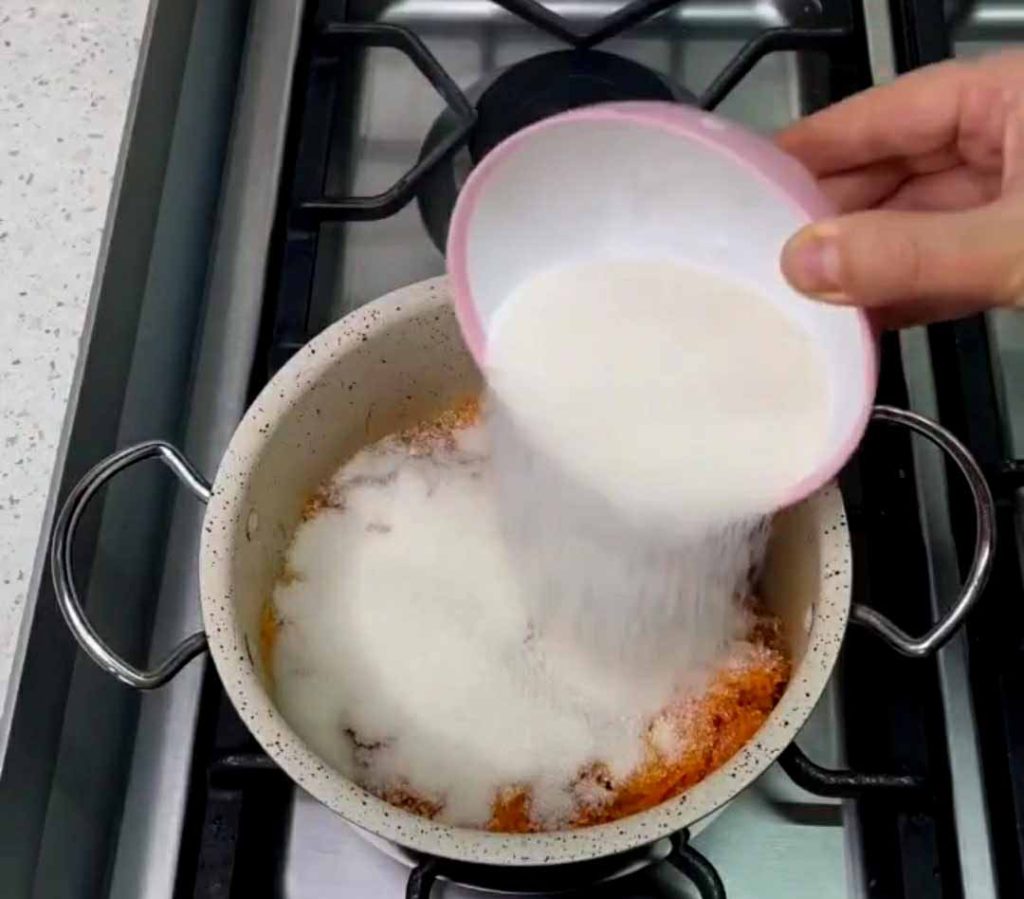
Once the water has slightly reduced and the carrots are soft, add the sugar. Stir gently until dissolved. Reduce the heat to low. Add cardamom pods now if you are using them.
-
Crucial Step: Put the lid back on. Let it simmer gently for about 2 to 3 hours. The slow cooking process is what gives the jam its beautiful, translucent orange color.
Step 4: Adding the “Persian Touch”
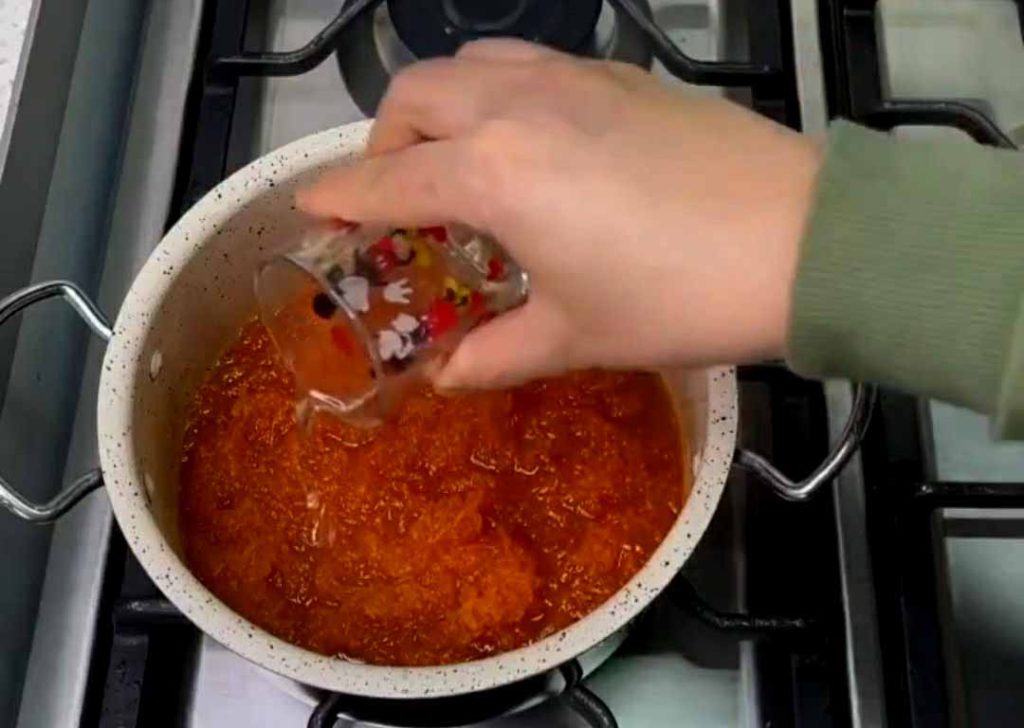
In the last 15 minutes of cooking, add the brewed saffron and lemon juice. The lemon juice is chemically necessary to invert the sugar and prevent it from turning into crystals (Sugary/Shekarak).
Step 5: Finishing Up
Check the consistency (see the tip below). Once ready, turn off the heat and stir in the rose water. Let the jam cool down inside the pot with the lid on. This helps the flavors meld together. Once fully cool (preferably overnight), transfer to sterilized glass jars.
How to Serve Moraba Havij Like a Local

Traditionally, this jam is the star of the Persian breakfast table (Sobhaneh). It pairs best with fresh, hot flatbreads like Barbari or Sangak.
For the ultimate experience, spread a generous layer of unsalted butter or thick clotted cream (Sarshir/Kaymak) on the bread, then top it with the glowing orange jam.
The creamy richness perfectly balances the sweet floral notes of the carrots. If you enjoy a sweet and savory contrast, try it with mild Feta cheese and walnuts. And of course, no Persian breakfast is complete without a cup of hot, fresh-brewed Persian Black Tea.
Chef’s Secrets for Perfect Moraba Havij
1. How to Check Consistency (The Plate Test)
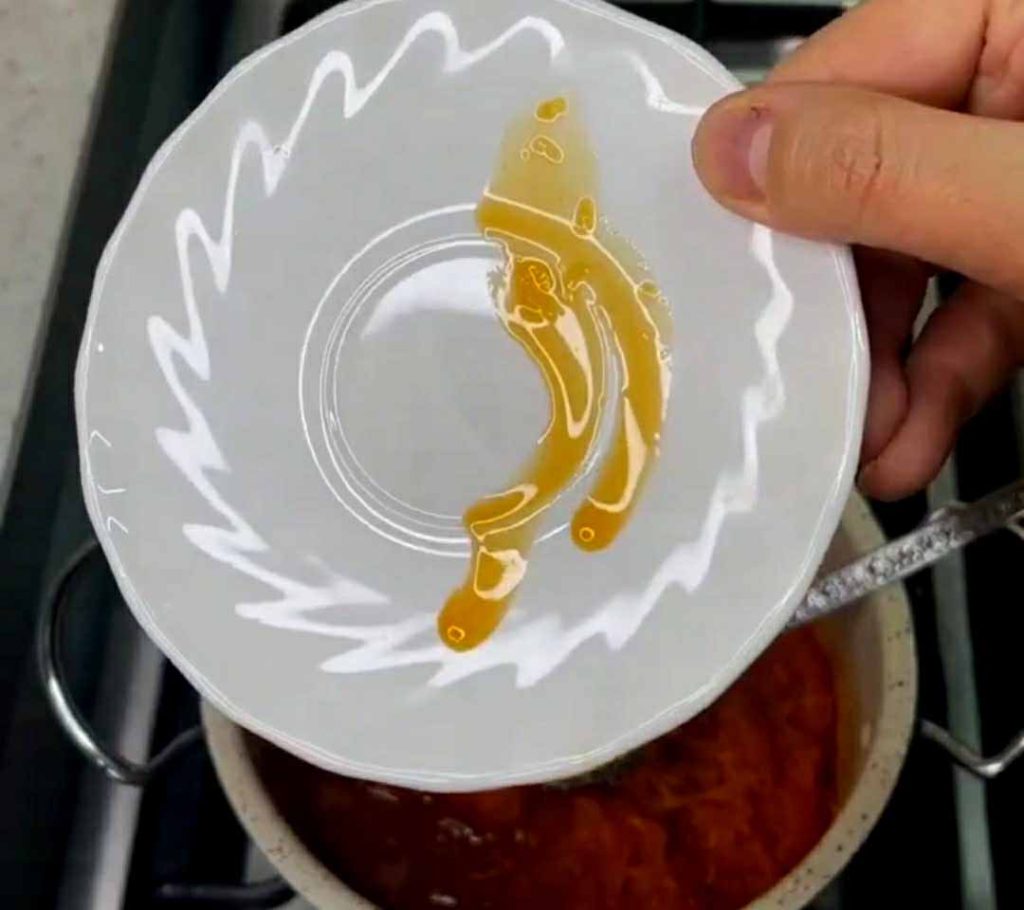
Don’t guess! To see if your jam is ready, take a teaspoon of the syrup and drop it into a small bowl of cold water (or on a cold plate).
-
If it spreads immediately, it needs more boiling.
-
If it holds its shape like a soft gel, it is perfect.
-
Note: Carrot jam should have a honey-like syrup, not too runny and not as hard as candy.
2. Preventing Crystallization (Shekarak)
The most common problem with carrot jam is becoming sugary after a few days. To avoid this:
-
Always add Lemon Juice (or citric acid) at the end.
-
Do not stir the jam too much while it’s boiling on the sides of the pot.
-
If it happens, simply add a splash of boiling water and a bit more lemon juice, and boil for 5 minutes.
3. The “Glassy” Look
To get that shiny, glass-like appearance, you must cook the jam on very low heat for a longer time. Rushing it on high heat will result in a dull color and uncooked carrots
FAQ :
Q1: Is carrot jam suitable for diabetics? While carrots are healthy, this jam contains a significant amount of added sugar (1:1 ratio). Therefore, it should be consumed in moderation by individuals managing blood sugar levels.
Q2: Why is my carrot jam dry? If the syrup evaporates too much, the jam becomes dry. This happens if the heat is too high or the lid is left off. You can fix it by adding a little boiling water and simmering for a few minutes.
Q3: Can I add nuts to Moraba Havij? Yes! It is very common to add slivered almonds or pistachios in the last 10 minutes of cooking. They add a wonderful crunch and visual appeal.
Q4: How long can I store it? Stored in a clean, airtight glass jar in the refrigerator, homemade Moraba Havij can last for up to 6 months.






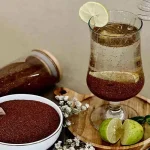
Carrot jam is my favorite jam
Yes this Carrot jam also is my favorite jam