

Sangak bread is one of the most traditional Persian flatbreads, known for its thin shape, slightly chewy texture, and the unique marks left by hot stones during baking. In Iran, sangak is often served warm with breakfast, kebabs, or simple meals like cheese and herbs.
Making authentic sangak bread at home is different from baking it in a traditional bakery, but with the right dough texture and a very hot baking surface, you can still get a close homemade version. This recipe explains the ingredients, resting time, baking method, and practical tips for making Persian sangak bread in a home kitchen.
What Is Sangak Bread?
Sangak is a traditional Iranian flatbread that is usually baked on small hot stones. The word “sangak” comes from “sang,” which means stone in Persian. This baking method gives the bread its uneven surface, light, crisp edges, and soft, slightly chewy center.
1. How to make sangak bread in the oven?
Sangak Bread Recipe

For: 3 people
Preparation time: 90 minutes
Cooking time: 20 minutes
Every 100 grams of Sangak bread has 259 calories.
Ingredients :
| Flour | 2 cups |
| Yeast | Half a teaspoon |
| Lukewarm water | 2 cups |
| Butter | as needed |
| Sesame | as needed |
| Salt | as needed |

Instruction :
It may be a little more difficult to prepare this from other breads. As a continuation of the step-by-step tutorial on how to prepare this bread, we have brought it to you so that you can easily use it and prepare this bread in the best way.
1. First of all, one-third of the flour must be mixed with the yeast to prepare the sourdough starter.

2. Then add a cup of lukewarm water and stir well.
3. After this, put a nylon cover on the bowl and let it rest for 24 hours at room temperature. Note that the water must be lukewarm. About 45 degrees Celsius is a good temperature.
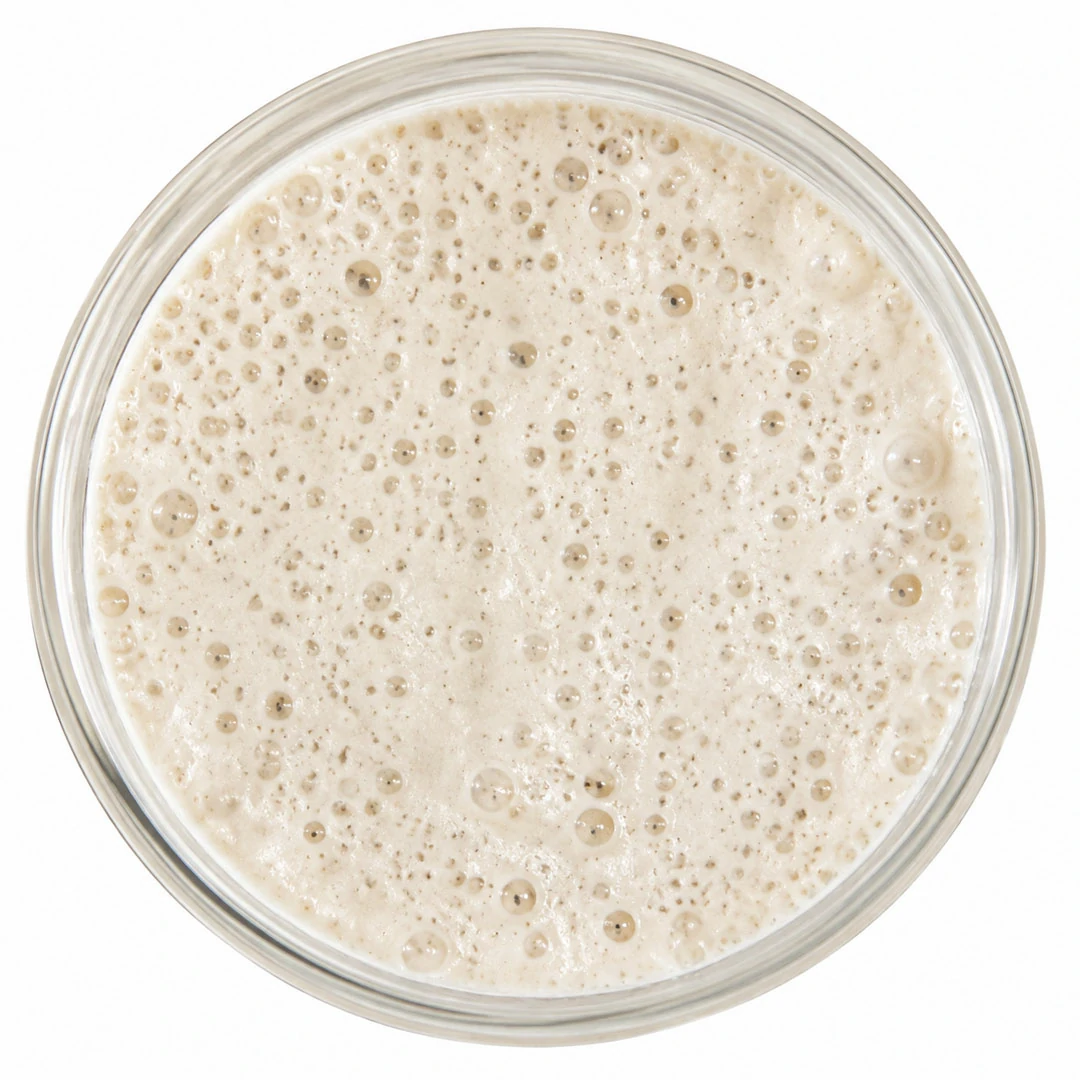
4. Next, mix flour, a cup of lukewarm water, and salt together in a suitable bowl. Continue mixing until a smooth mixture is obtained. Now, you have to add the yeast that has rested for 24 hours to this mixture.
5. Next, mix all the ingredients well and knead.

6. Cover the dough with cellophane and let it rest for another hour. It should be noted that the dough must be refrigerated.
7. To prepare Sangak bread well, like in a Sangak bakery, you must use pebbles. For this, wash some pebbles and place them on the oven tray.
8. Next, set the oven to 356 degrees Fahrenheit and place the tray in the oven to heat the stones.
9. Now, you have to spread the dough on a flat surface. Note that you must put a bowl of water next to your hand so that the dough does not stick to your hand.
After spreading the dough on a suitable surface, you should place it on the heated stones and sprinkle sesame on the surface of the dough.
But note that before doing this, grease the stone with a little butter or oil so that the bread does not stick to it.

10. Place the tray in the oven to bake the bread.
11. After one side of the bread is cooked and golden, you should turn the bread over so that the other side is golden as well.
12. Finally, remove the tray from the oven, and after the stones have cooled down a little, remove the bread from it.

2. Sangak bread without oven recipe

Above, we saw how to prepare this bread in the oven, but if you don’t have access to an oven, you can try preparing this delicious and useful bread without an oven.
In this case, your work will be a little more difficult, but the good news is that you should not despair about baking this at home without an oven.
It is enough to pour some pebbles into a suitable-sized pan and let it heat up. (For example, a two-sided pan is very suitable for this.)
After you put the dough on the hot pebbles, you should put the lid on the pan and do something that creates the same conditions as the oven.
For this purpose, be sure to set the heat to a medium-low level so that the surface of the bread does not burn or sink before it is cooked.
What to Serve with Sangak Bread؟
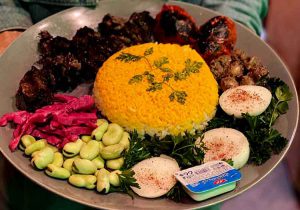
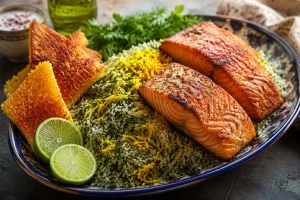
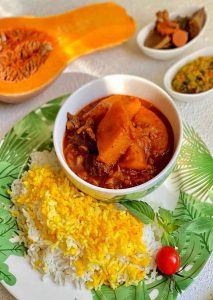
Sangak bread is the perfect companion for many traditional Persian dishes. It is often served with hearty Persian breakfast favorites like kale pacheh or halim, simple comfort foods like a Persian omelet, and is almost mandatory when eating a classic kabab soltani or a bowl of traditional abgoosht.
Notes :
To experience the best way to prepare homemade sangak without stones, keep these things in mind:
- If you want your Nan sangak to have a higher nutritional value, it is enough to use wholemeal flour instead of regular bakery flour to prepare this bread. In this way, you can prepare whole-grain bread and enjoy its excellent aroma and properties.
- It is necessary to keep a bowl of water nearby and moisten your hands regularly to prevent the dough from sticking to them. However, if you see that the dough is too hard, sprinkle some water on it and knead until it is a little soft.
- In addition to sesame, you can also use vegetables to flavor the bread. For example, cumin, black seed, and seed kernels are good choices.
- Once the bread is baked and you remove the tray from the oven, be sure to let the bread and stones cool before removing them.
- In the way of making this, if the oven is set at 356 degrees Fahrenheit, the time needed to bake the bread will be 20 minutes.
- The bread should be completely toasted and cooked, and there should be no burn marks. Because burnt bread is considered a risk factor for getting various cancers, you should avoid eating these parts. We recommend that you be careful with homemade lavash bread or any other type of bread to prevent the bread from burning.
Conclusion
Sangak bread is one of the traditional and healthy breads of Iran, which is very popular all over the world due to its great taste and many nutritional properties.
This bread has been cooked since the Sassanid period in Iran, and its special texture causes quick satiety and reduces calorie consumption.
If you care about your health and are looking for low-calorie bread, this bread is the best option.
They also prepare this Iranian bread in simple and sesame versions, which are very delicious.
FAQ
1. How do you eat this bread?
They take a bite(Loghmeh) of stone bread. Usually, they put some cheese, jam, or butter inside the bread, roll it, and then eat it.
2. How many calories are in Persian Sangak bread?
Nan sangak, every 100 grams, contains 55g total carbs, 0.4g fat, 8.7g protein, and 259 calories.
3. What is the national bread of Iran?
Flatbread with whole wheat and yeast, called Sangak bread, is considered Iran’s national bread.
4. How many models of Noon Sangak do we have?
Two models: sesame and simple. In the sesame model, sesame seeds are poured into the dough and cooked together with the bread, and it becomes much tastier.