
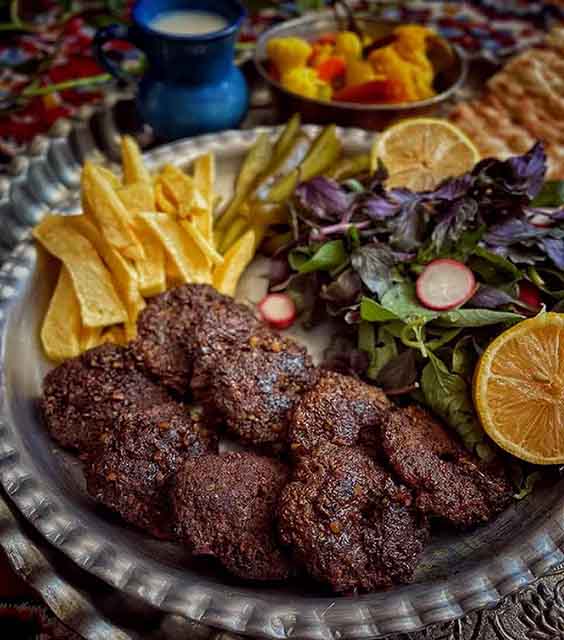
Shami Kabab (often closely related to Kotlet) is a classic, comforting Iranian dish made from minced meat, grated potatoes, and fragrant spices. Loved by both kids and adults, these pan-fried patties are incredibly popular across Iran, served either as a warm main course for dinner or wrapped into sandwiches for a quick lunch.
If you are new to Persian cuisine, this is the perfect starting point. The recipe is straightforward, requires no advanced culinary skills, and delivers a crispy texture with a tender, savory interior.
What is the Difference Between Kotlet and Shami Kabab?
In Iranian home cooking, the terms “Kotlet” and “Shami” are often used interchangeably. However, traditional Persian Shami typically includes chickpea flour (Nokhodchi) or pre-cooked yellow split peas to give the patties a distinct, velvety consistency and a slightly nuttier flavor. On the other hand, a standard Kotlet relies primarily on grated potatoes and minced meat bound together with eggs.
A detailed definition of this traditional Iranian food is collected from the Wikipedia site, which is very important.
Shami kabab or shaami kabab is a local variety of kebab, originating from the Indian subcontinent. It is a popular dish in modern-day Indian, Pakistani and Bangladeshi cuisines.[1] It is composed of a small patty of minced meat, generally beef, but occasionally lamb or mutton (a chicken version exists as well), with ground chickpeas, egg to hold it together, and spices.
Persian Shami recipe
For: 4 people
Preparation time:15 minutes
Coking time:25 minutes
Ingredients:
| Minced meat | 0.7 pound |
| Egg | 1 pc |
| Medium potatoes | 2 pcs |
| Medium onion | 1 pc |
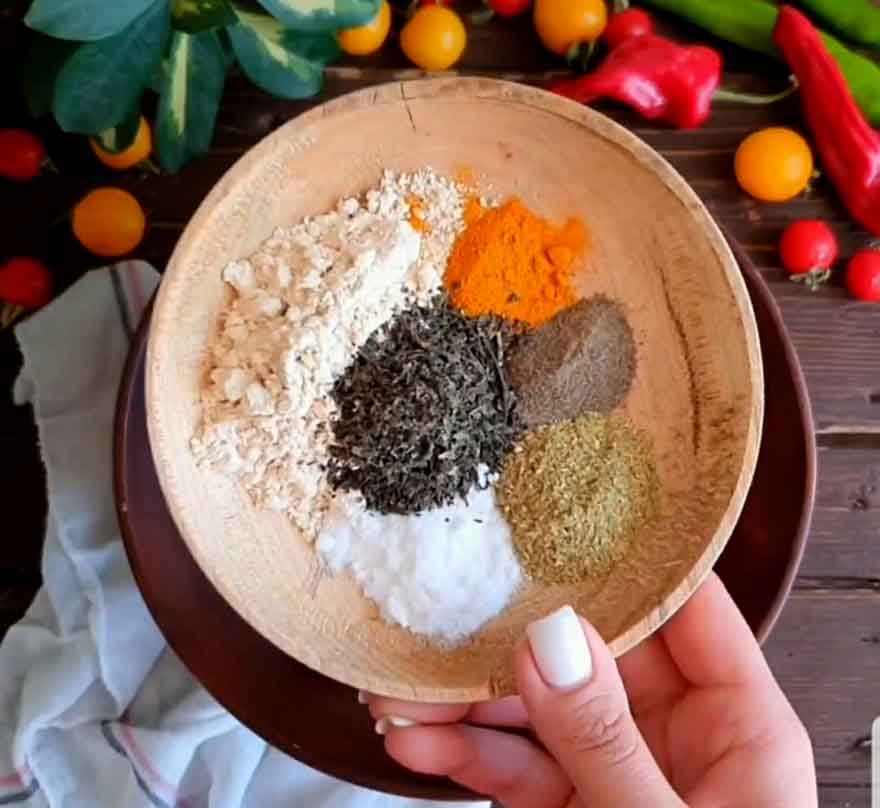
| Chickpea flour | 1 to 2 tablespoons |
| Salt | as needed |
| Black pepper | 1/3 teaspoon |
| Turmeric powder | half a teaspoon |
| Oil | as needed |
Instruction:
Step 1: Prep the Potatoes and Onion
Grate the peeled potatoes using a fine grater into a large bowl. Squeeze the grated potatoes firmly with your hands to drain as much excess liquid as possible. Discard the starchy water. Repeat the same squeezing process for the grated onion, then combine the drained onion and potato in the bowl.
Tip: Draining the vegetables thoroughly is crucial to keep the patties from falling apart in the pan.
Step 2: Combine and Knead
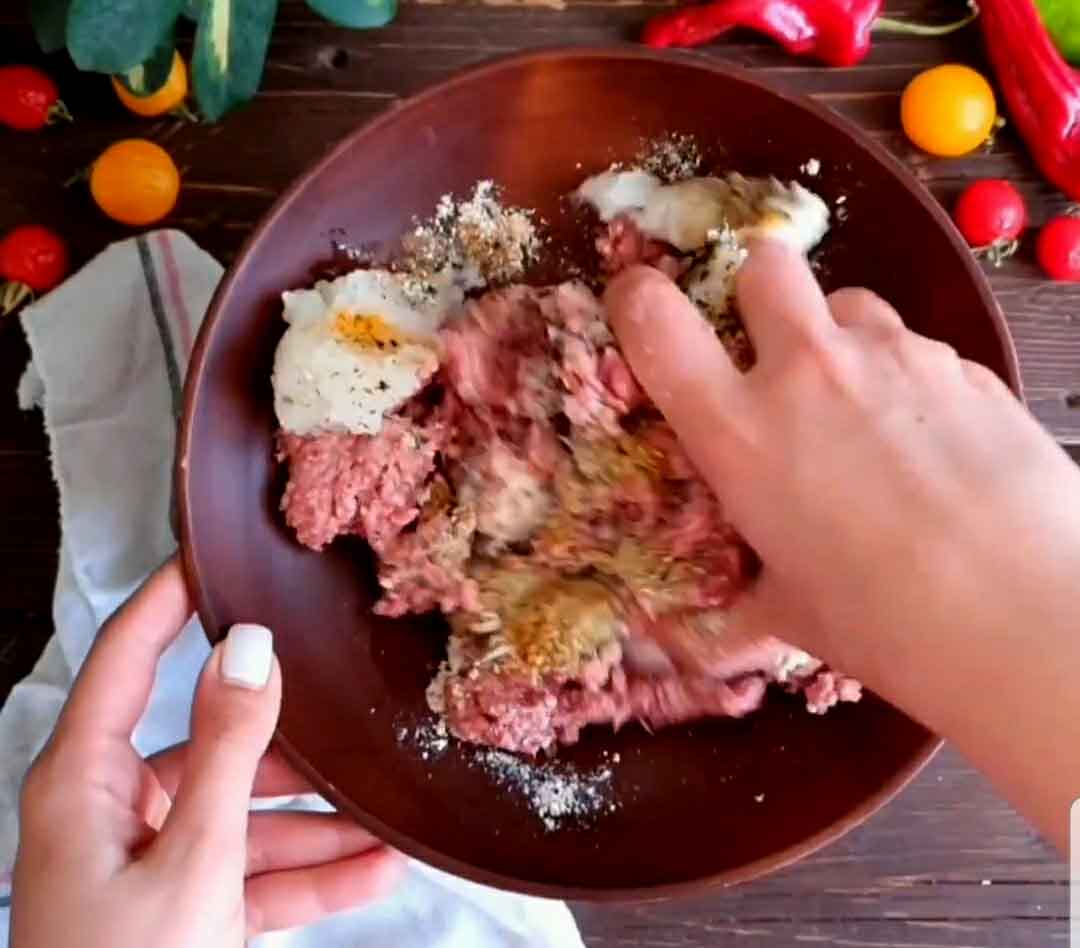
Add the minced meat, salt, black pepper, and turmeric to the bowl. Knead the mixture with your hands until the ingredients are uniformly combined. Sprinkle in the chickpea flour and continue kneading for about 5 minutes to develop the proteins, ensuring a cohesive texture.
Step 3: Add the Egg
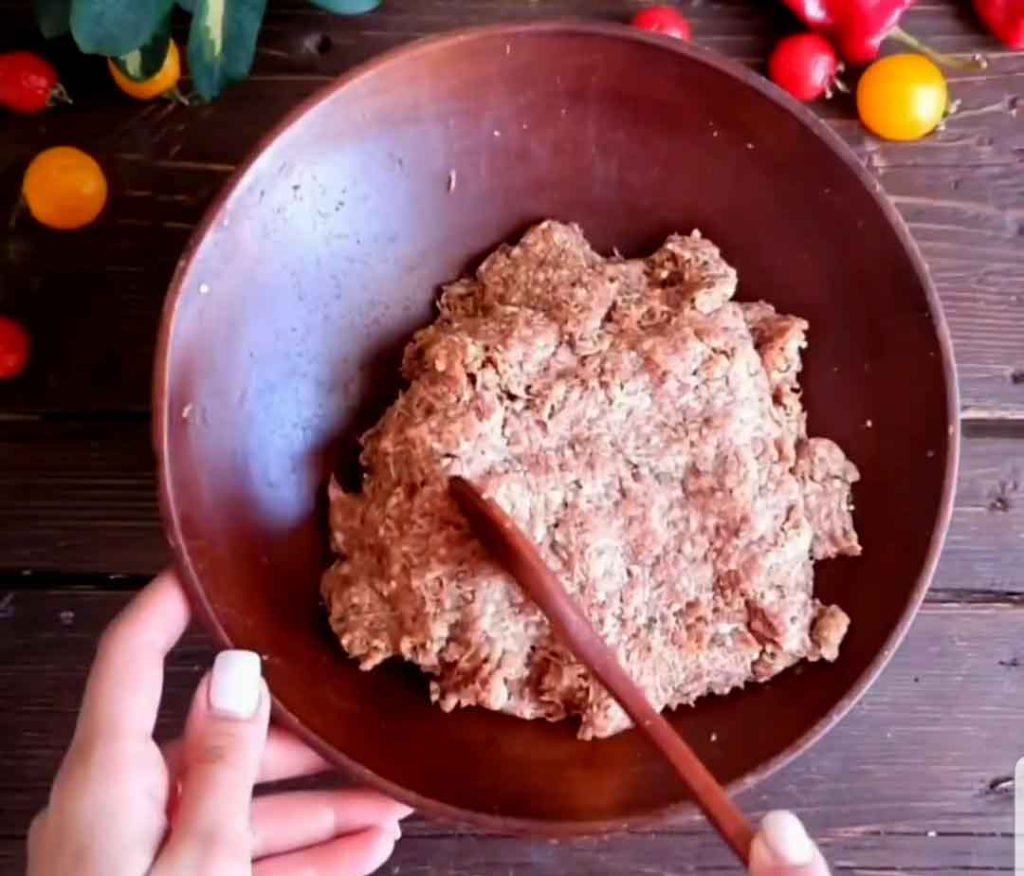
Crack the egg into the mixture and knead until fully incorporated. The mixture should feel smooth and easily hold its shape when rolled into a ball.
Step 4: Let the Mixture Rest
Cover the bowl with plastic wrap and place it in the refrigerator for at least 30 minutes. Chilling firms up the fat in the meat, which helps the patties retain their shape and brown beautifully during frying.
Step 5: Shape and Fry the Patties
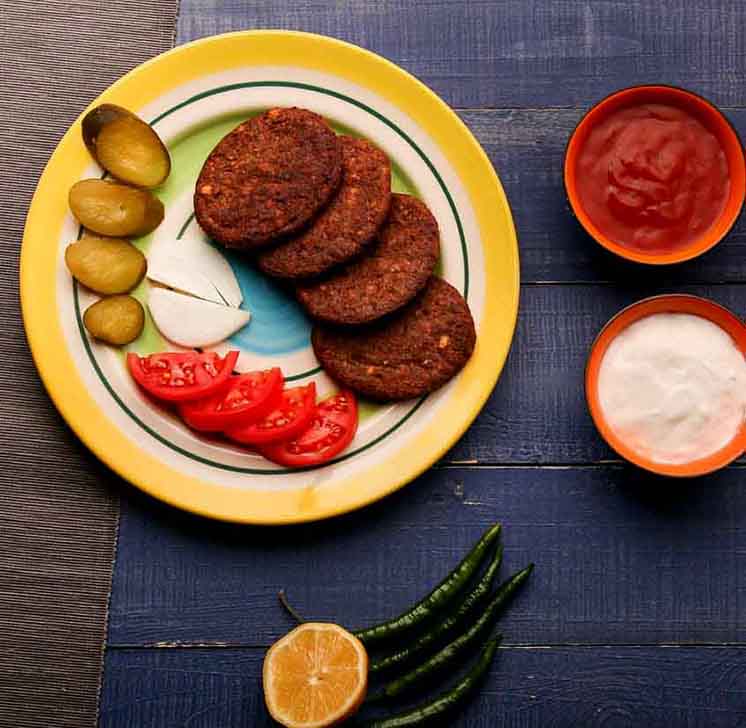
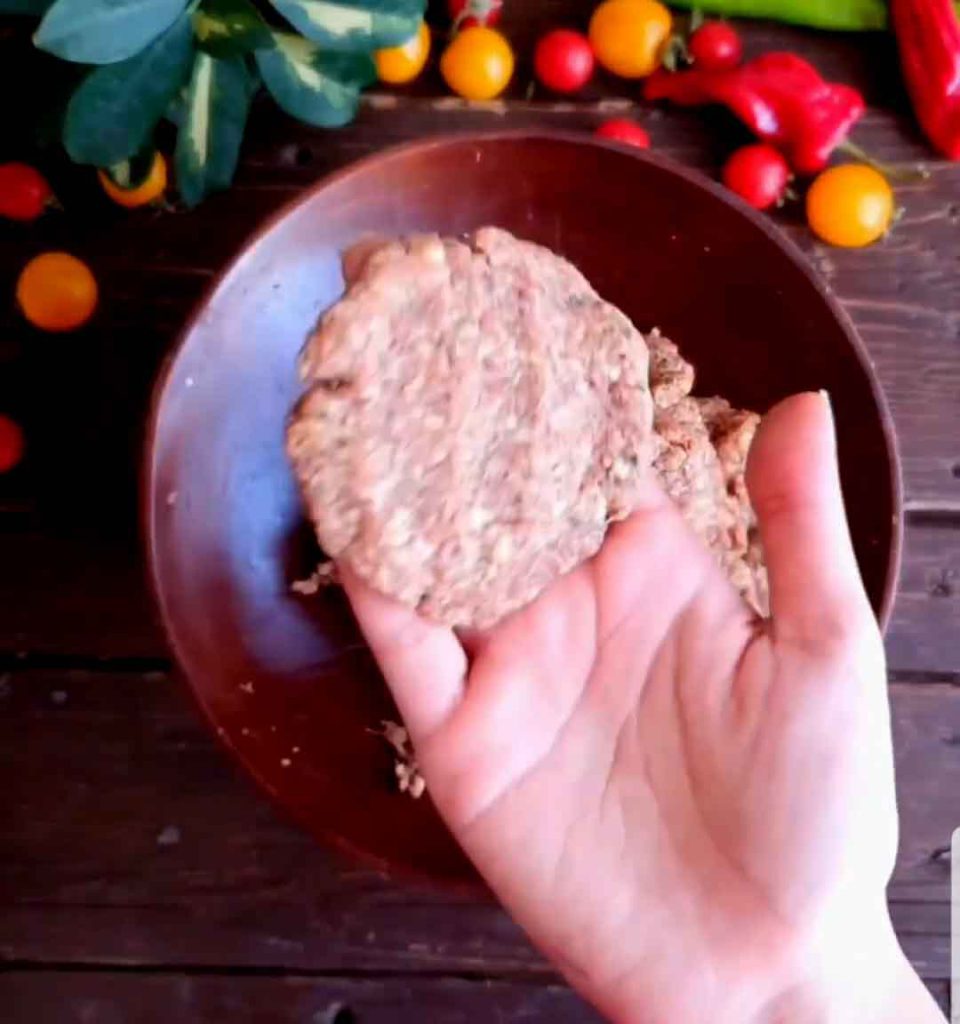
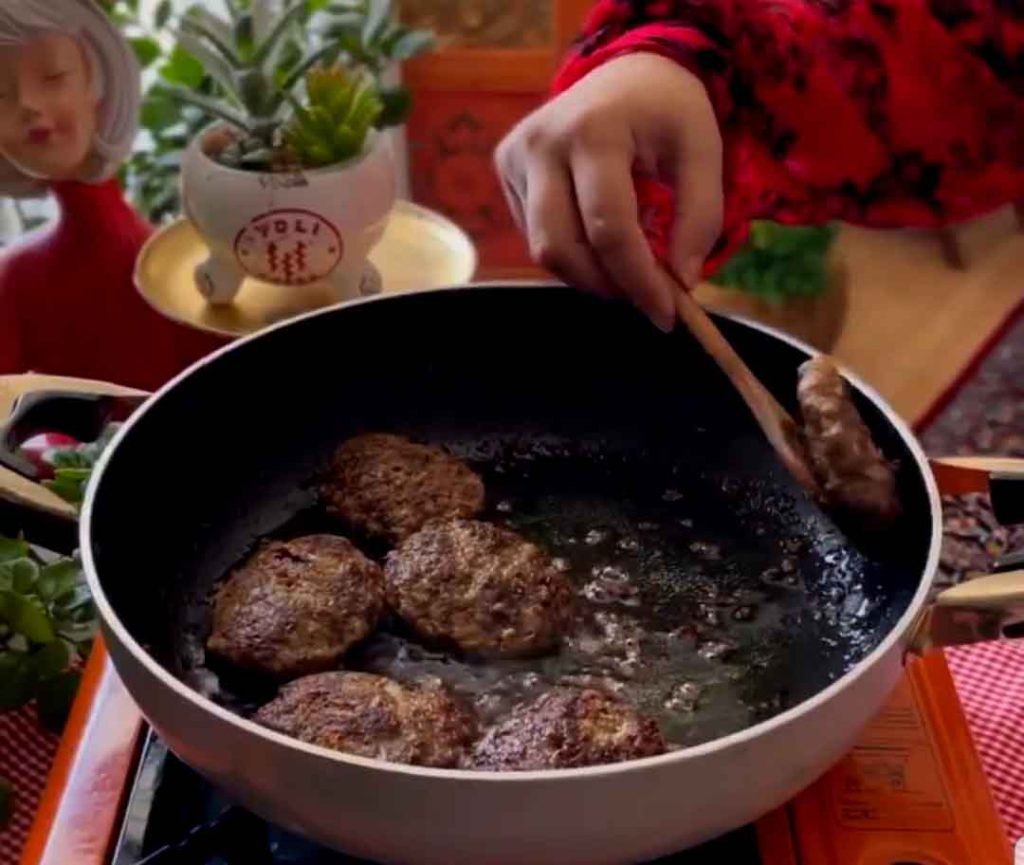
Heat a generous amount of vegetable oil in a non-stick skillet over medium-low heat. Take a portion of the meat mixture (about the size of a walnut), roll it into a ball, and flatten it into an oval or round patty about 1 cm thick.
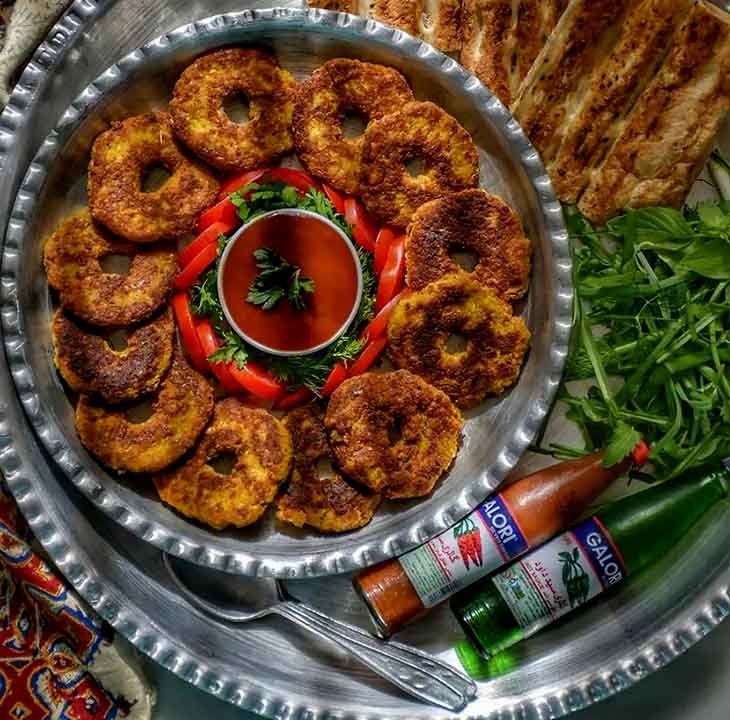
Traditionally, a small hole is made in the center of the patty with your finger to ensure even cooking. Gently slide the patty into the hot oil.
Step 6: Golden Perfection
Fry the patties for 5 to 7 minutes on the first side until deep golden brown and cooked through. Flip them over and fry the other side. Transfer the cooked patties to a plate lined with paper towels to drain excess oil.
Step 7: Prepare the Sauce (Optional)
If you like your Shami saucy, sauté the chopped onion and minced garlic in a pan with a splash of oil and a pinch of turmeric. Add the tomato paste and fry for a minute.
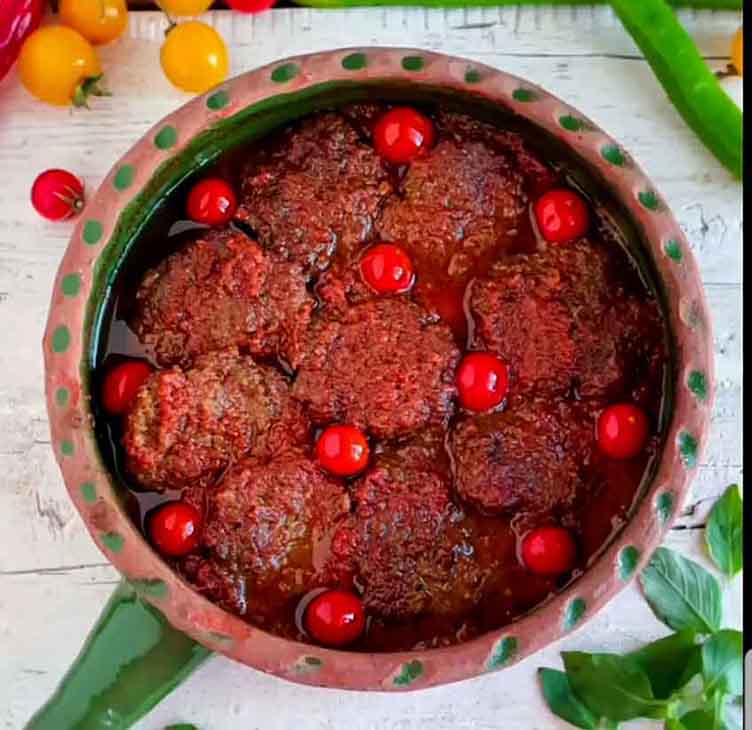
Pour in the pureed tomatoes, vinegar, sugar, salt, and pepper. Let the sauce simmer until it thickens. You can either serve this sauce on the side or place the fried patties directly into the simmering sauce for 5 minutes before serving.
What to Serve with Persian Shami
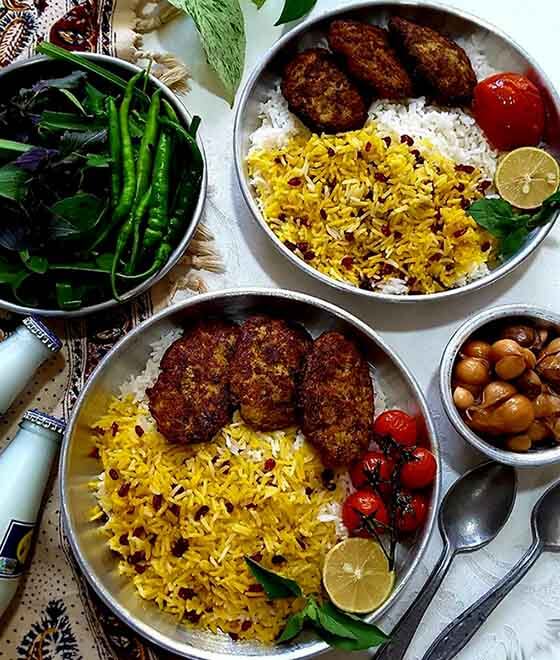
- Carbs: Serve hot alongside steamed Persian Rice, Sangak, or Lavash bread.
- Sides: Accompany the platter with pickled cucumbers (Khiar Shoor), sliced fresh tomatoes, Sabzi Khordan (fresh herbs), and Zeytoon Parvardeh (Marinated Olives).
- Drinks: Pair it with ice-cold Doogh (Persian yogurt drink flavored with mint).
Ingredients for special sauce:
| Onion | 1 pc |
| Tomatoes | 4 to 5 pcs |
| Vinegar | 4 tablespoons |
| Sugar | 1 tablespoon |
| Garlic | 2 cloves |
| Tomato paste |
2 tablespoon |
Instruction:
A recipe is not complete without sauce. To prepare sauce, proceed as follows:
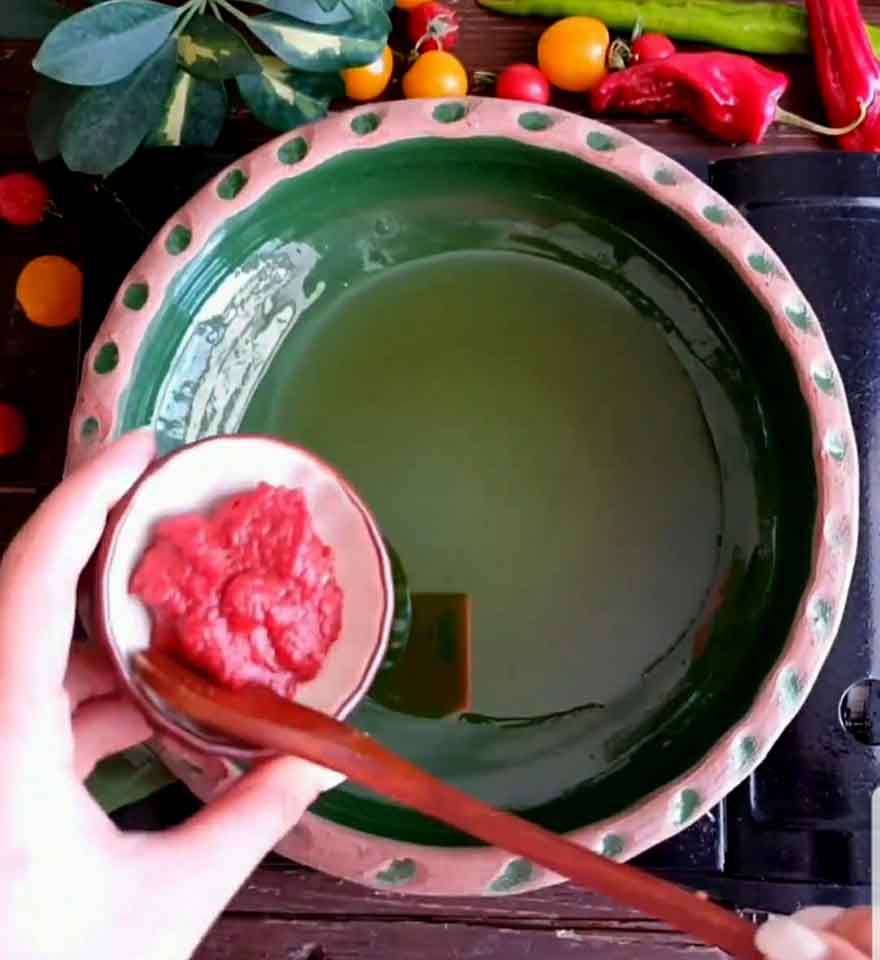
1. Fry the tomato paste and onions in some oil. Add some turmeric powder while frying.
2. Peel the tomatoes and puree them with garlic and some pepper in a blender.
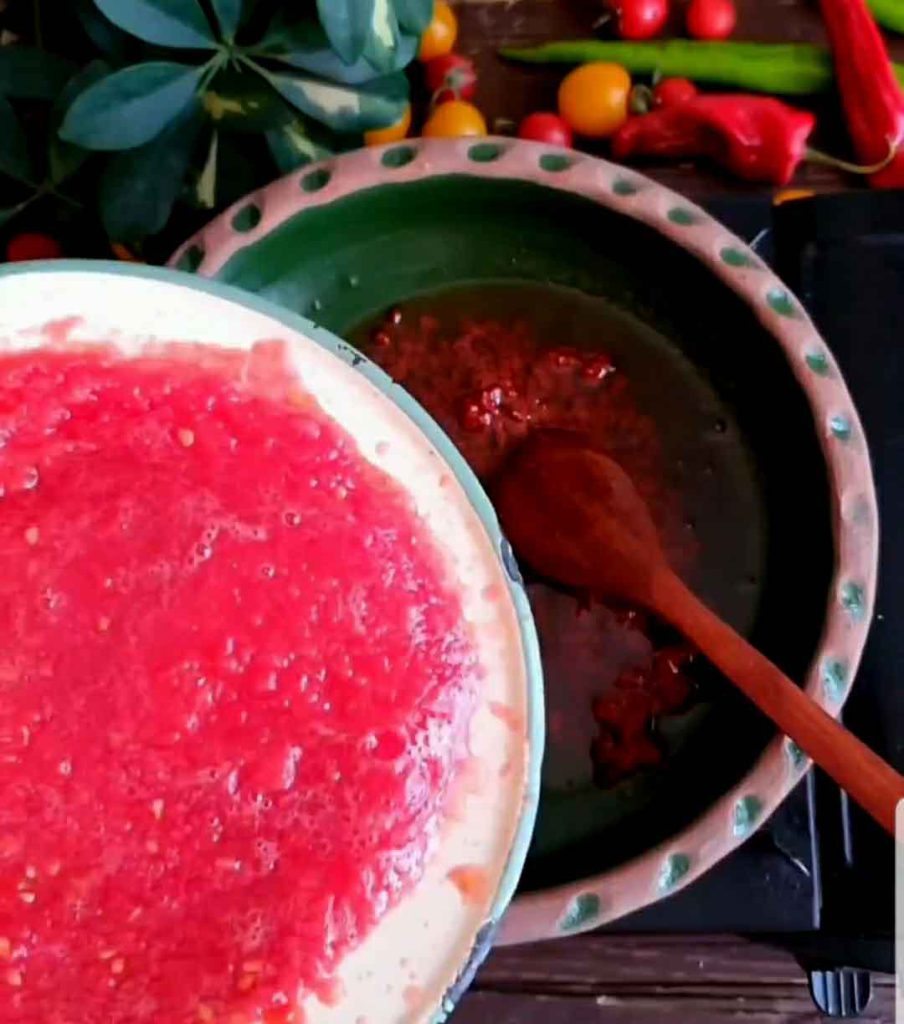
3. Add the tomato mixture to the onions in the pan.
4. Add vinegar and sugar to the onions and tomatoes.
5. Let the ingredients boil and thicken.
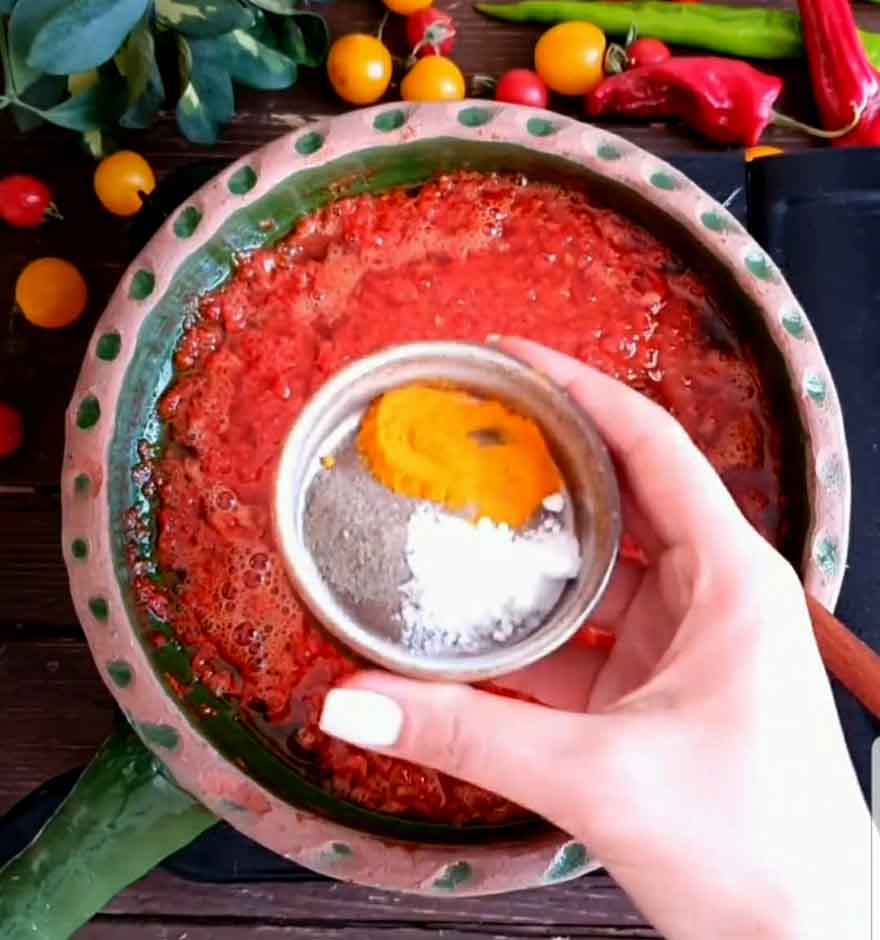
6. Your sauce is ready. Depending on your taste and preference, you can put these kebabs in the sauce to boil for a few minutes and get their taste. You can also serve separately.
Pro Tips for the Crispiest Shami
- Meat Choice: Lean veal or beef mixed with a small amount of lamb fat yields the best flavor without making the patties shrink too much.
- Binding Alternatives: If you do not have chickpea flour, you can substitute it with fine breadcrumbs or ground baguette flour.
- Oil Temperature: Ensure the oil is hot before adding the patties. Frying in cold oil makes them greasy and soggy.
FAQ :
1. What is the difference between Shami Kabab and Kotlet?
Shami usually has a softer texture and may include chickpea flour or legumes, while Kotlet is more commonly made with grated potato, minced meat, and egg. In everyday Iranian cooking, the two are often compared because they look and taste similar.
2. Why does Shami Kabab fall apart when frying?
This usually happens when the potato and onion still have too much water. Squeezing them well, resting the mixture in the fridge, and adding enough binding ingredients can help the patties hold their shape.
3. Can I make Shami Kabab without chickpea flour?
Yes, you can use a small amount of breadcrumbs or fine baguette crumbs instead. The texture may change slightly, but the patties will still hold together nicely.
4. How do I make Shami Kabab crispy?
Make sure the oil is hot before frying, and do not crowd the pan. Also, draining the grated potato and onion very well makes a big difference in the final texture.
5. Can I freeze Shami Kabab?
Yes. Let the patties cool completely, then store them in a freezer-safe container. They can be kept for about one month and reheated in a pan or oven.