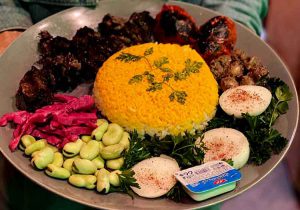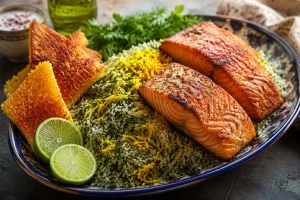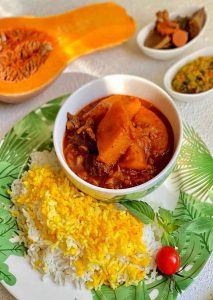


Ghalieh Mahi: Spicy Persian Fish & Tamarind Stew
Ghalieh Mahi (Persian Fish Stew) is the pride of Southern Iran. Famous for its rich, spicy, and sour profile, this stew is a far cry from the mild flavors often associated with Persian cuisine.
Imagine tender chunks of white fish swimming in a dark, aromatic sauce made from fresh cilantro, fenugreek, garlic, and tangy tamarind. In Khuzestan and Bushehr, the heat of the chili and the sourness of the tamarind are turned all the way up, making this dish an unforgettable experience.
Essential Guide: Which Fish Should I Use?
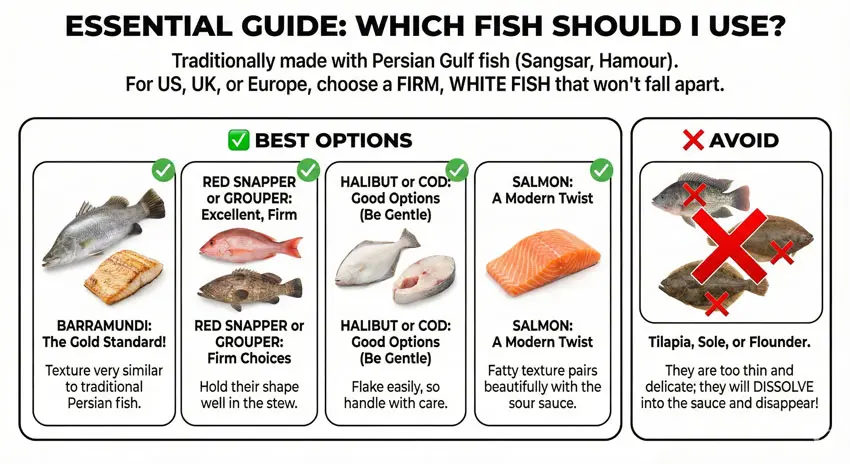
Traditionally, this dish is made with local Persian Gulf fish like Sangsar or Hamour. However, if you are in the US, UK, or Europe, finding the right fish is crucial. You need a firm, white fish that won’t fall apart in the stew.
Best Options:
-
Barramundi: The gold standard! It has a texture very similar to traditional Persian fish.
-
Red Snapper or Grouper: Excellent, firm choices that hold their shape well.
-
Halibut or Cod: Good options, but be gentle as they flake easily.
-
Salmon: A modern twist. While not traditional, its fatty texture pairs beautifully with the sour sauce.
❌ Avoid: Tilapia, Sole, or Flounder. They are too thin and delicate; they will dissolve into the sauce and disappear!
If you are planning to make southern food, stay with the Meals Cook site so that we can continue to teach you how to prepare delicious Iranian seafood dishes. Spicy fish stew is like that Sabzi Polo Ba Mahi.
Ghalieh mahi recipe
For: 4 people
Preparation time: 1 hour
Cooking time: 30 minutes
Ingredients:
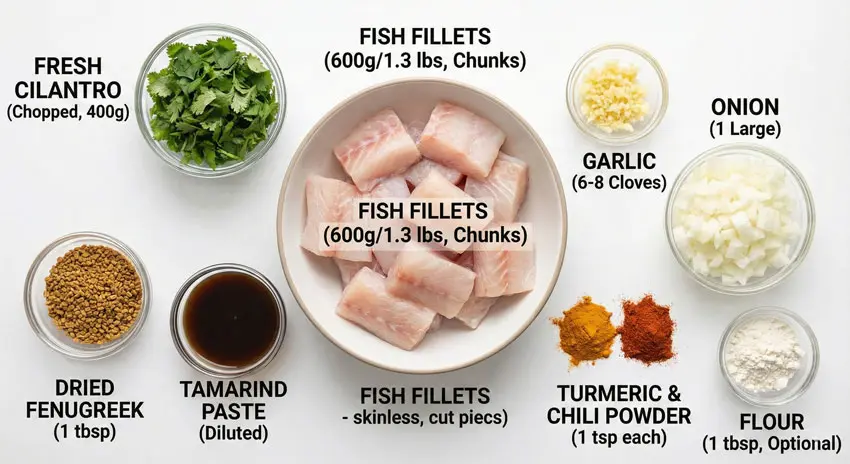
| Ingredient | Quantity | Notes |
|---|---|---|
| Fish Fillets | 600g (1.3 lbs) | Skinless, cut into 2-inch chunks (See list above) |
| Fresh Cilantro | 400g (Chopped) | Finely minced |
| Dried Fenugreek | 1 tbsp | Or 100g fresh. Do not use more! |
| Tamarind Paste | 1/2 Cup | Diluted in 1 cup of warm water |
| Garlic | 1 Head (6-8 Cloves) | Minced |
| Onion | 1 Large | Diced |
| Turmeric & Chili Powder | 1 tsp each | Adjust chili to taste |
| Flour | 1 tbsp | To thicken (optional) |
Instruction:

1. Start by sautéing the herbs. Place coriander and fenugreek in a pan over low heat with some oil. Sauté until darker in color. If using extra herbs like parsley or green onions, sauté them together for 15–20 minutes until the aroma develops.
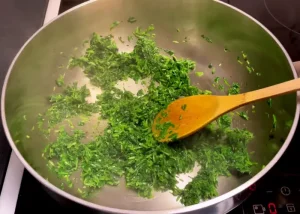
2. Proper frying will darken the stew, which is a key characteristic of authentic Ghalieh Mahi. Remove the fried herbs from the pan and set aside.
3. Place the tamarind in a small pot with a glass of water and bring it to a gentle boil. After boiling, strain the tamarind liquid and set it aside.
4. Season the fish fillets with salt, turmeric, black pepper, and 1–2 tablespoons of oil. Let them rest for at least 20 minutes.
5. In a pot, sauté chopped onion with a little oil until golden. Add minced garlic and fry until fragrant. Then add turmeric, black pepper, and salt.
6. Move the sautéed mixture to one side of the pot, add tomato paste, and fry until its color deepens. Mix everything. Add the fried herbs.
7. Pour two glasses of warm water into the pot and bring it to a light boil. Add the strained tamarind water and stir until well combined. Add saffron, lemon or lime juice, red pepper, and flour, mixing until combined.
8. Let the stew cook on low heat for about 1 hour until thickened and reduced.
9. Meanwhile, fry the fish pieces in a pan with some oil until both sides are golden.

10. Add the fried fish to the stew and let it simmer on very low heat for about 40 minutes, allowing flavors to develop fully.
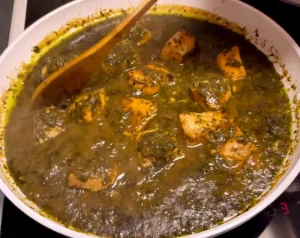
Nuanced cooking note:
For firmer fish like Cod or Halibut, add the fish only in the last 4–5 minutes of simmering to prevent flaking and maintain structure.
How to Serve Ghalieh Mahi Like a Pro
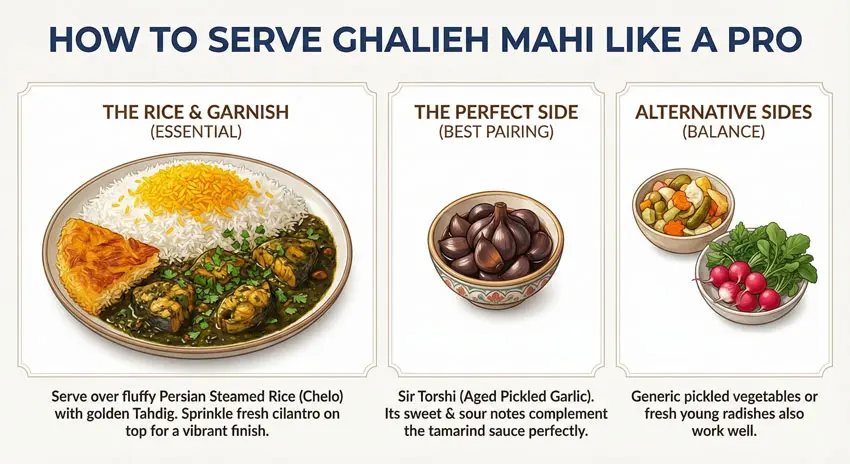
Ghalieh Mahi has a strong, complex flavor profile (sour, spicy, and savory), so the side dishes should balance these intense tastes. Here is the traditional Southern Iranian way to serve it:
-
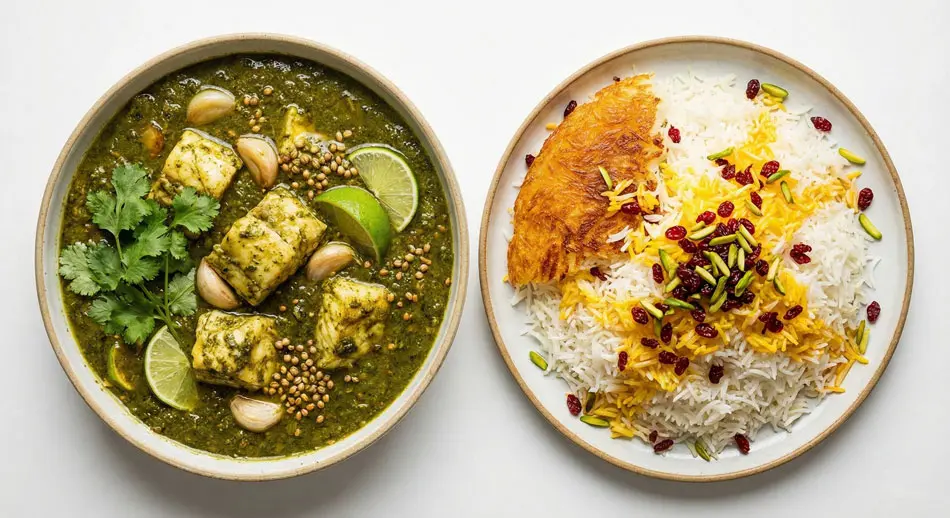
The Rice (Essential): This stew is almost always served over Persian Steamed Rice (Chelo). The fluffy, saffron-topped rice acts as a neutral canvas for the rich sauce. For a crispy treat, serve it with Tahdig (golden crispy rice from the bottom of the pot).
-
The Perfect Side: The absolute best pairing for this dish is Sir Torshi (Aged Pickled Garlic). The sweet and sour notes of aged garlic complement the tamarind sauce perfectly. If you don’t have that, generic pickled vegetables or fresh young radishes work well.
-
Garnish: Freshness is key! Sprinkle some chopped fresh cilantro on top right before serving to add a pop of vibrant green color and a fresh aroma to the dark stew.
How to make Ghalie Mahi with tuna?
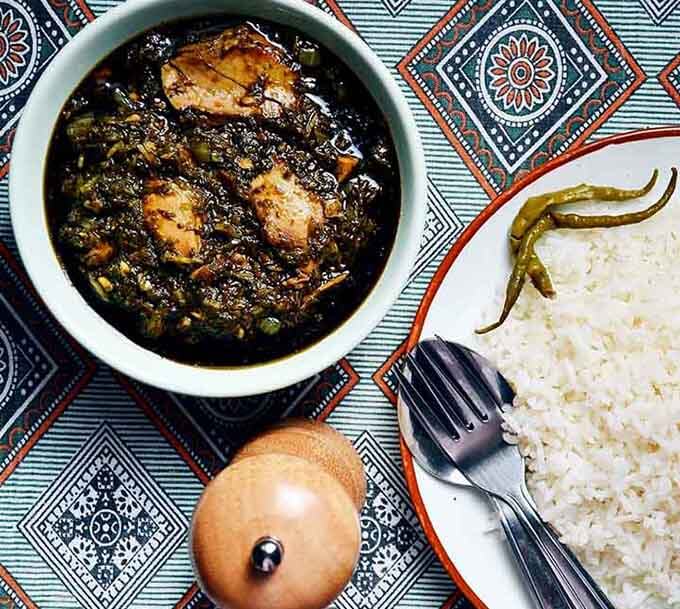
To make a quicker version, use canned tuna. After the stew base thickens and settles, gently add the boiled tuna and cook for 10 minutes. There is no need to fry the tuna.
You can easily enjoy a unique flavor with your family members.
Notes :
-
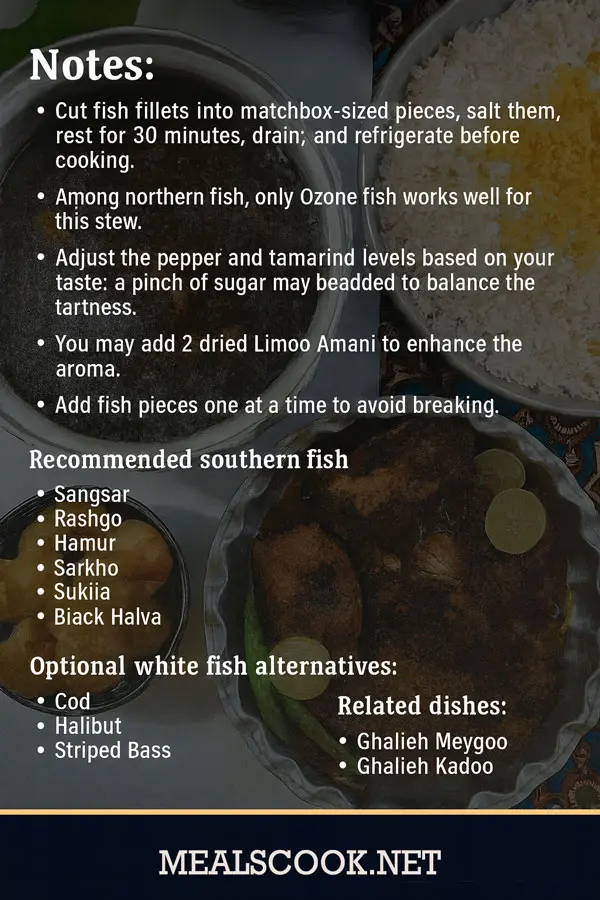
Cut fish fillets into matchbox-sized pieces, salt them, rest for 30 minutes, drain, and refrigerate before cooking.
-
Among northern fish, only Ozone fish works well for this stew.
-
Adjust the pepper and tamarind levels based on your taste; a pinch of sugar may be added to balance the tartness.
-
You may add 2 dried Limoo Amani to enhance the aroma.
-
Add fish pieces one at a time to avoid breaking.
-
Recommended southern fish: Sangsar, Rashgo, Hamur, Sarkho, Sukila, Black Halva.
-
Optional white fish alternatives: Cod, Halibut, Striped Bass.
-
Related dishes include Ghalieh Meygoo and Ghalieh Kadoo.
Storage Tips
-
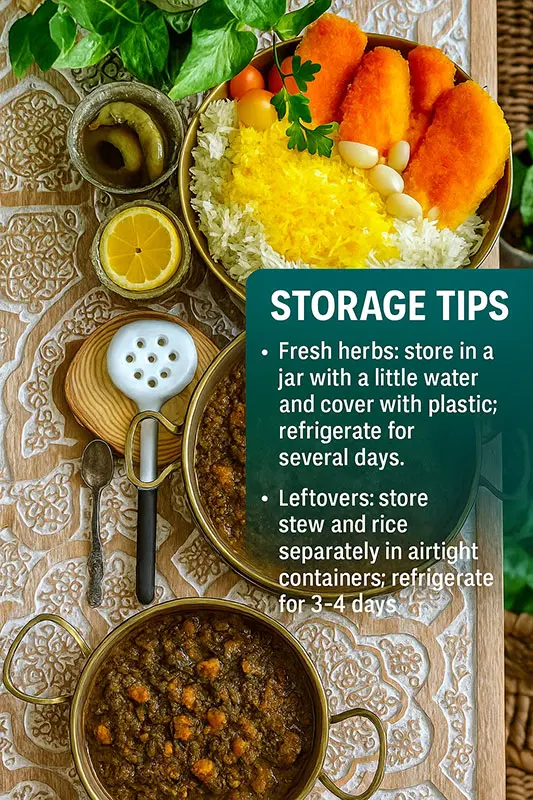
Fresh herbs: store in a jar with a little water and cover with plastic; refrigerate for several days.
-
Leftovers: store stew and rice separately in airtight containers; refrigerate for 3–4 days.
Why This Dish is Good for You
Ghalieh Mahi is not just delicious; it’s a nutritional powerhouse. The star ingredient, white fish (like Barramundi or Snapper), is a high-protein, low-fat food that provides a range of health benefits.
According to Healthline, fish is one of the healthiest foods on the planet. It is loaded with important nutrients, such as protein and Vitamin D.
Furthermore, fish is a great source of omega-3 fatty acids, which are incredibly important for your body and brain and may lower the risk of heart attacks and strokes.
(Source: Healthline – 11 Evidence-Based Health Benefits of Eating Fish)
FAQ