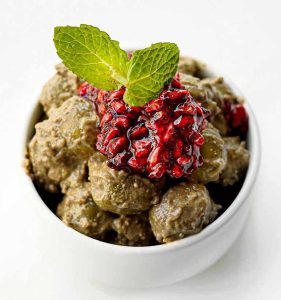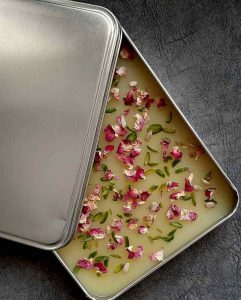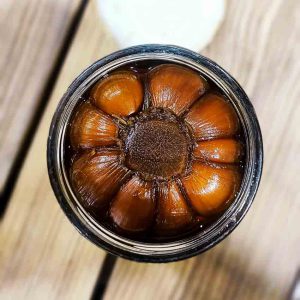

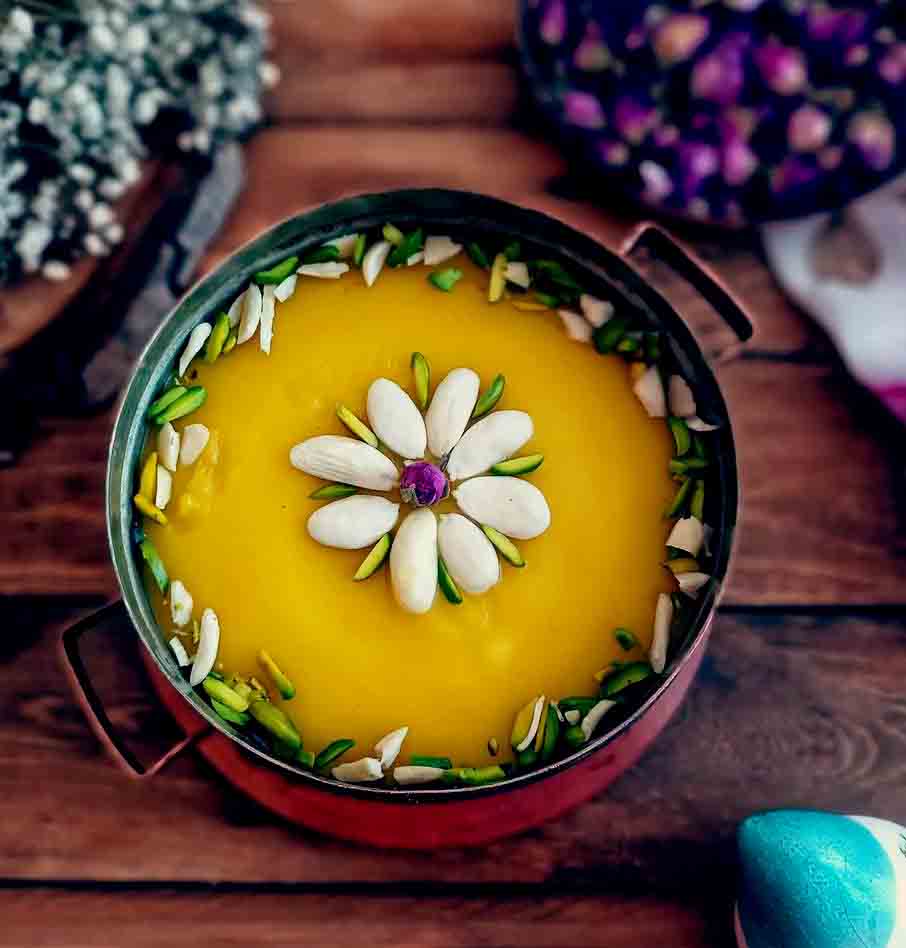
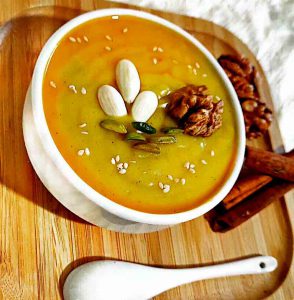
Kachi is a traditional Persian Halva pudding known for its incredibly aromatic scent and healing properties. Often described as a “miracle food,” Kachi is deeply rooted in Iranian culture. It is famously served to women after childbirth (postpartum) to regain strength, but it’s also a favorite winter dessert for everyone.
Unlike the firmer Persian Halva, Kachi has a smoother, porridge-like consistency. The magic lies in its ingredients: a rich blend of saffron, rose water, turmeric, and wheat flour. Whether you need an energy boost or a comforting vegetarian dessert, this Kachi recipe is ready in less than 30 minutes.
Why You Will Love This Recipe:
-
Time: Ready in 20 minutes.
-
Benefits: High energy, anti-inflammatory (thanks to turmeric), and mood-boosting (thanks to saffron).
-
Diet: Vegetarian (can be vegan if you swap butter with oil).
How to make Kachi?

For: 4 people
Preparation time:10 minutes
Cooking time: 30 minutes
Ingredients:
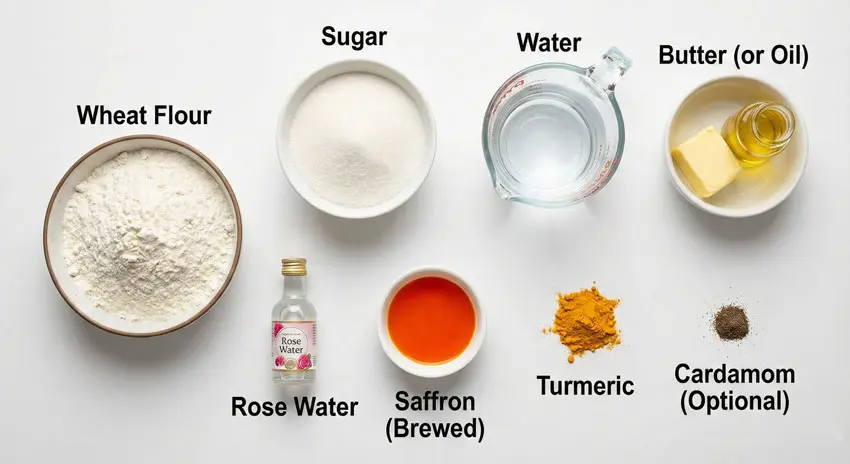
| Ingredient | Amount (US Cups/Spoons) | Metric (Grams/ml) | Imperial (Lbs/Oz) |
|---|---|---|---|
| Wheat Flour | 1 Cup | 130 g | ~ 0.3 lbs (4.6 oz) |
| Sugar | 1.5 Cups | 300 g | ~ 0.66 lbs (10.5 oz) |
| Water | 3 Cups | 720 ml | ~ 1.6 lbs (24 fl oz) |
| Butter (or Oil) | ⅔ Cup (approx.) | 150 g | ~ 0.33 lbs (5.3 oz) |
| Rose Water | ½ Cup | 120 ml | ~ 0.26 lbs (4 fl oz) |
| Saffron (Brewed) | ¼ Cup (Liquid) | 60 ml | 2 fl oz |
| Turmeric | ½ Teaspoon | 1.5 g | – |
| Cardamom (Optional) | ¼ Teaspoon | 1 g | – |
Instruction :

1. Prepare this dessert at the beginning of the work; start by making the syrup for this. Put a suitable pot on medium heat, and, if you wish, mix sugar, honey, or grape juice with some water in a bowl and pour it into the pot.

2. Next, it is better to stir the sugar until it dissolves completely. It is not necessary to reach consistency, and it is enough to mix the sugar grains with water and then add the brewed Persian saffron and stir the ingredients until they are uniform.

3. To prepare the basic dessert, it is better to add rose water and, after stirring a bit, remove the pot from the heat. If you used chopped candies instead of sugar, strain the syrup.

4. Put a suitable pot on low heat, pour the oil and butter into the pot, let the butter melt, and mix it with the oil. Using a sieve, sift the flour into a bowl twice.

5. Continue cooking by adding flour to the oil pot, and then stir the ingredients well so that the flour does not lump and turns golden. The darker the color of the flour, the darker the color of this.
6. Stir the flour on low heat so it does not burn and to remove the raw smell. Now, it’s time to mix the cardamom and cinnamon powder with the ingredients. At this stage, you can add your favorite spices and mix.
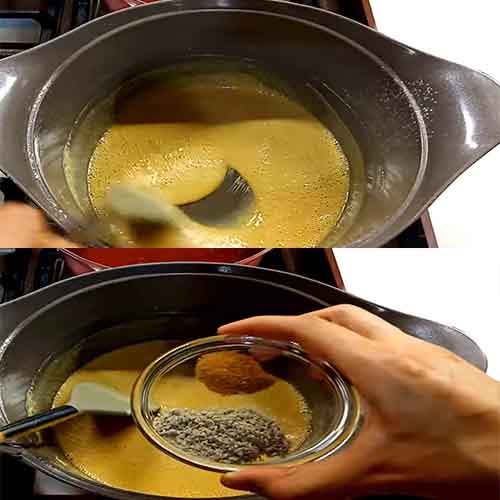
7. Using turmeric to prepare this will change its color, but if you don’t like its taste, it is better to remove it and use more saffron.
8. Now it’s time to remove the pot from the heat, and then, using one hand, add the pre-prepared syrup to the ingredients in the pot and gently stir with the other hand until the ingredients are completely uniform.

9. Continue cooking this dessert by mixing the ingredients with the syrup until you get a smooth, soft texture. You can use different types of nuts to strengthen Kachi further.

10. To brew this pudding, it is better to put the pot on low heat twice and then stir slowly, letting it settle down little by little. For this, close the pot lid and sometimes open the lid and stir the ingredients.
11. Removing the pot from the heat is better when the mixture reaches the right consistency. Remember, this dessert has a consistency like porridge and should not harden like halva. Remove this delicious dessert from the heat before it hardens completely.
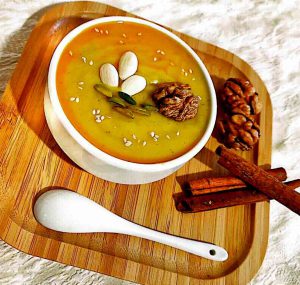
12. The delicious and nutritious kachi you made is ready, and you can pour it into a suitable dish, decorate it with different types of nuts, and enjoy it.

Pro Tips for the Perfect Kachi
-
Avoid Lumps: The secret to a silky smooth Kachi is stirring. When adding the syrup, whisk fast! If you still get lumps, you can use a hand blender to smooth them out.
-
The Consistency: Kachi should be looser than Halva, similar to a thick soup, pudding, or custard. Remember, it will thicken further as it cools down.
-
Sweetness Level: You can adjust the sugar based on your taste. For a healthier version, you can use grape molasses or honey (add honey after the mix cools slightly).

What to Serve with Kachi?
Kachi is delicious on its own as a standalone dessert. However, in Iran, it is often served with tea. If you enjoy the texture and flavors of Kachi, you will definitely love these other Persian desserts:
-
[ Sholeh Zard Recipe]: Persian Saffron Rice Pudding.
-
[ Fereni Recipe]: Persian Rice Flour Pudding.
FAQ :
1. Can I make Kachi without sugar? Yes! You can substitute sugar with natural sweeteners like honey, maple syrup, or grape molasses (Shireh). If using honey, add it at the very end to preserve its nutritional benefits.
2. How long can I store leftover Kachi? You can store Kachi in an airtight container in the refrigerator for up to 3 days. To reheat, simply place it on the stove and add a splash of water if it has become too thick.
3. Is Kachi Gluten-Free? The traditional recipe uses wheat flour, so it is not gluten-free. However, you can make a gluten-free version using rice flour, although the texture will be slightly different (closer to Fereni).