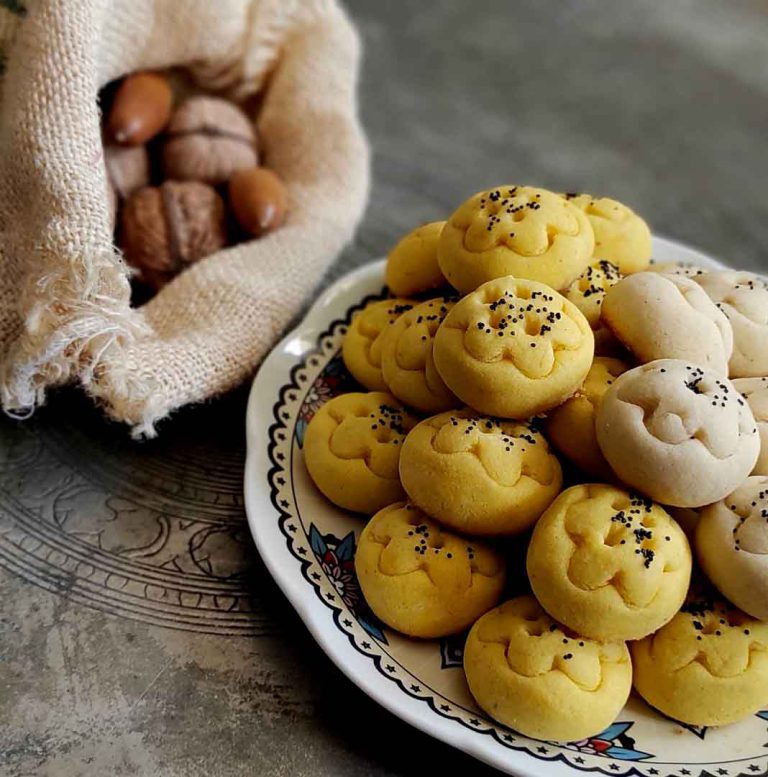
Noon Khamei Recipe _ Most Popular Persian Cream Puffs

Persian desserts are built on aroma, memory, and tradition — a blend of saffron, rosewater, cardamom, pistachios, nuts, and gentle slow cooking. Iranians living abroad often search for these flavors to revive memories of home, while international food lovers discover them as a doorway into one of the oldest and richest culinary cultures in the world.
On MealsCook, this Persian Dessert collection brings together all your favorite Iranian sweets in one place:
from Sholezard and Masghati,
to Qottab Yazdi, Walnut Cookies, Shirini Zaban, Napoleon Pastry, and other classic treats.
Every recipe is written with accurate measurements, simple steps, and clear substitutions — perfect for kitchens inside and outside Iran.
| Dessert Type | Examples on MealsCook.net | Flavor Profile | Difficulty |
|---|---|---|---|
| Persian Puddings | Sholezard, Shir Berenj, Fereni | Saffron, rosewater, soft & creamy | Easy |
| Traditional Sweets (Shirini) | Qottab, Shirini Zaban, Walnut Cookies, Shirini Yazdi | Buttery, nutty, cardamom-based | Medium |
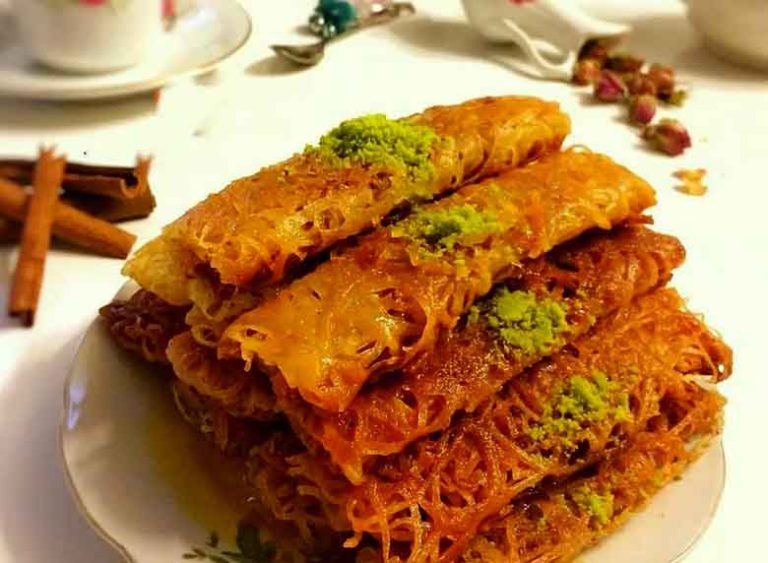
| Pastries & Layered Desserts | Napoleon Pastry (Mille-feuille style), Persian Baklava | Crispy, sweet, aromatic | Medium–Hard |
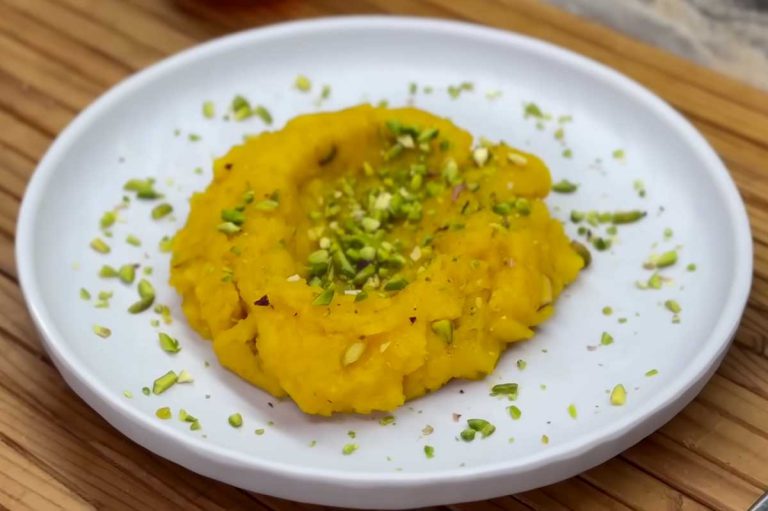
| Halva & Gelatin Desserts | Masghati Shirazi, Flour Halva | Warm, fragrant, ceremonial | Easy–Medium |
| Nut-Based & Festival Treats | Gerdooi, Pistachio Cookies, Yazdi pastries | Aromatic, mildly sweet | Easy |
Persian dessert traditions go beyond sweetness. Each recipe reflects centuries of regional techniques, cultural meanings, and family rituals. Whether you’re making a soft saffron pudding or a crisp pastry like Qottab or Shirini Zaban, each dish brings the taste of Iranian gatherings right into your kitchen.
Let’s dive into what makes Persian desserts unique — and explore the recipes already waiting for you on MealsCook.
Persian sweets rely on aroma more than extreme sweetness. Instead of heavy sugar, the charm comes from three signature flavors:
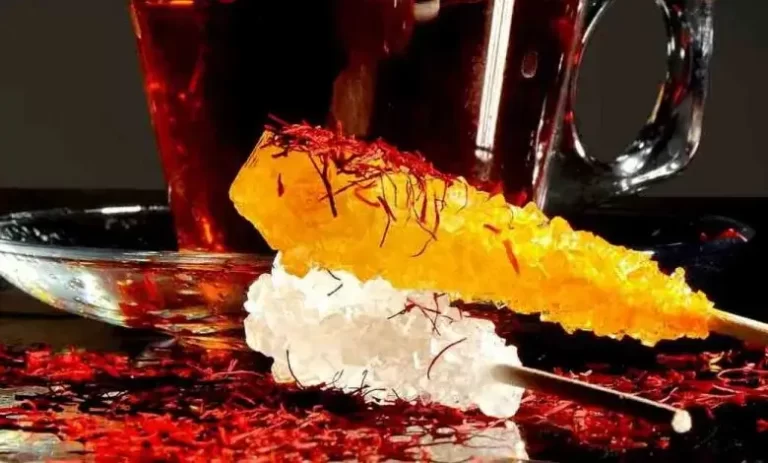
Used in Sholezard, Masghati, cookies, and halva.
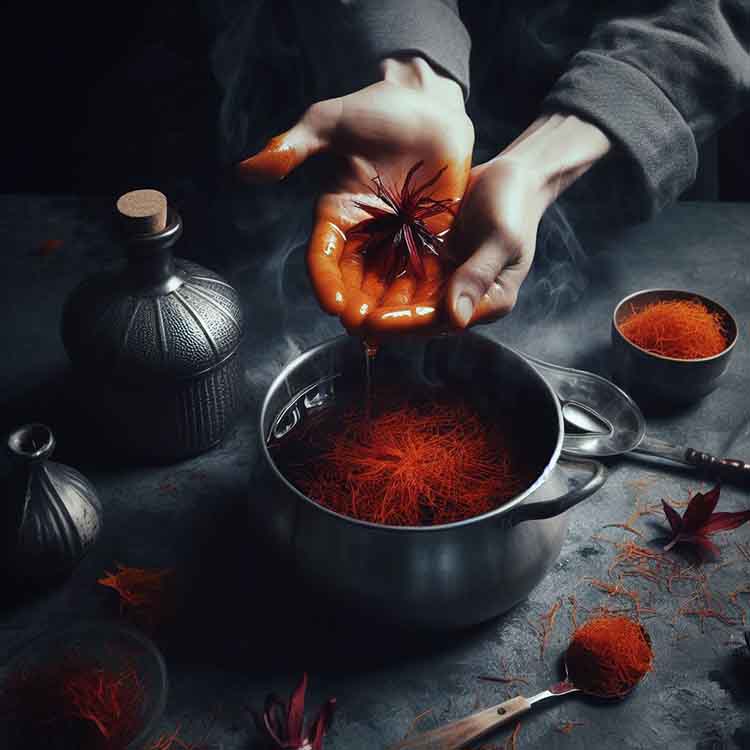
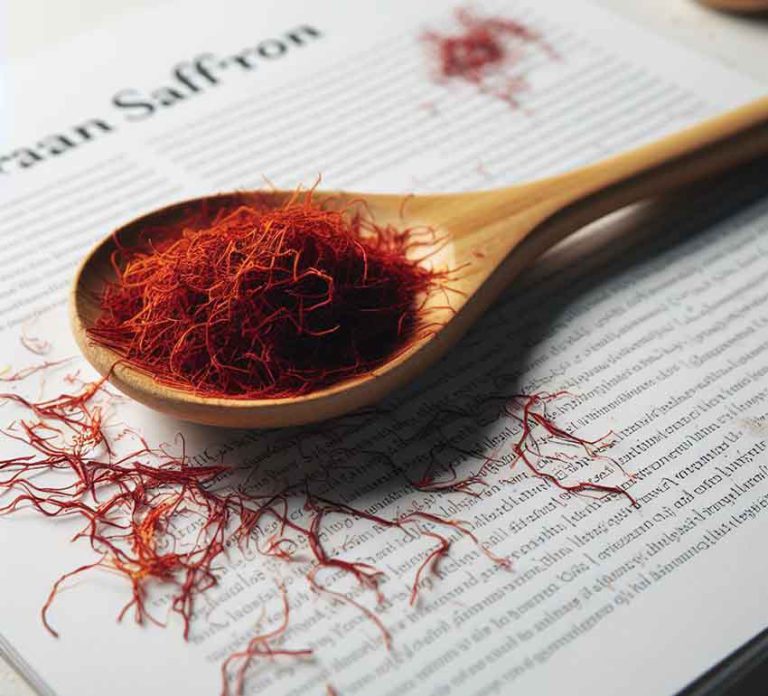
A tiny amount transforms color, aroma, and feeling.
Defines classics like Masghati, Halva, Fereni, and many pastries.
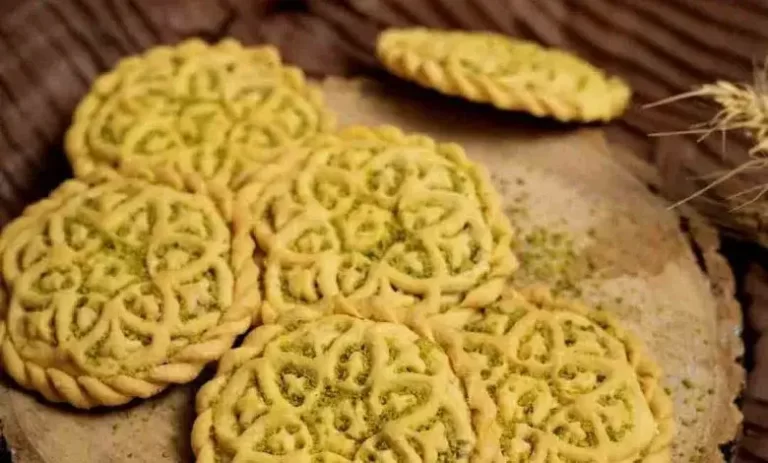
The heart of cookies such as Walnut Cookies, Qottab, and Shirini Yazdi.
These three are what make Persian desserts unforgettable and instantly recognizable.
Those missing the taste of childhood — looking for accurate, reliable recipes using ingredients found in the U.S., Canada, Europe, or anywhere else.
You get:
• measurements in cups + grams
• substitutes for hard-to-find ingredients
• beginner-friendly instructions
• dishes like Qottab, Sholezard, Masghati, Shirini Zaban — exactly
People exploring Middle Eastern cuisine who want:
• explanation of aromatic ingredients
• cultural meaning behind dishes
• easy methods for complex Iranian pastries
MealsCook makes Persian desserts accessible to every kitchen.
Below you’ll find categories perfectly matched to the desserts on your website.
These are the soft, comforting, fragrance-forward desserts:
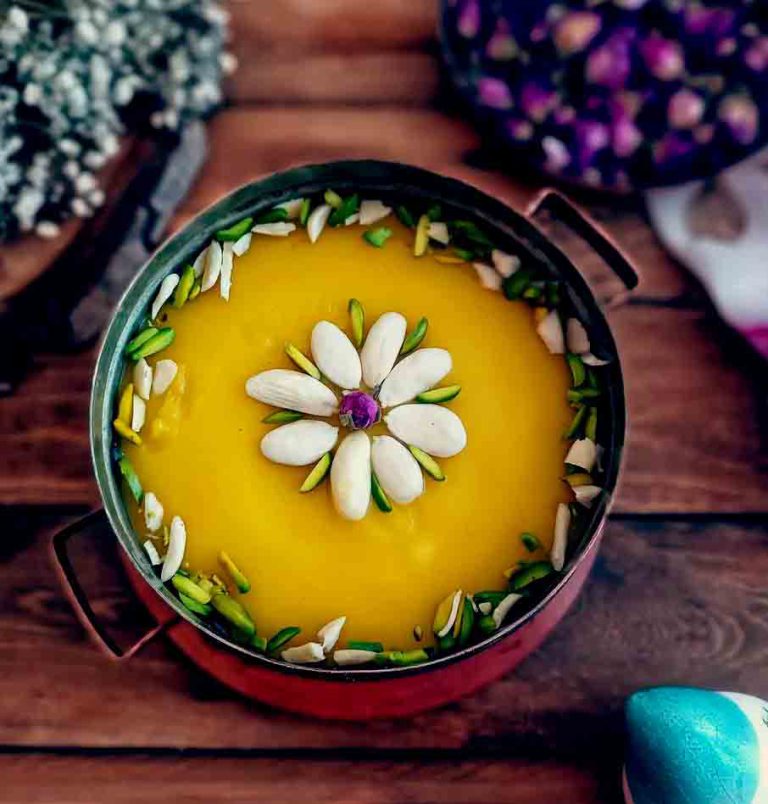
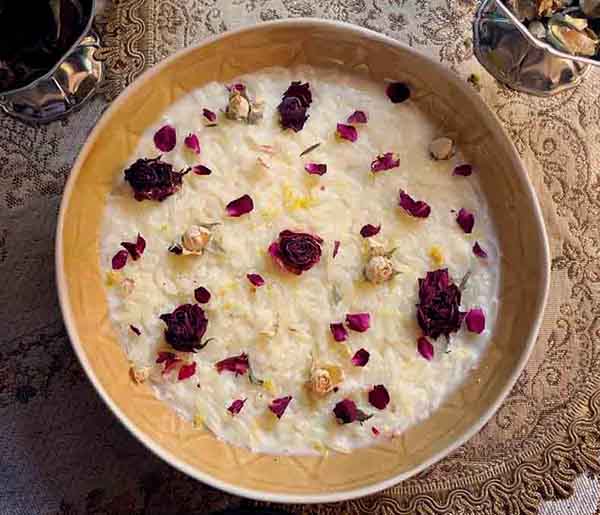
Sholezard → saffron rice pudding
Fereni → rice flour pudding
Shir Berenj → milk rice dessert
Slow cooking is key. Minimal ingredients, maximum aroma.
These are the classics that define Iranian gatherings:
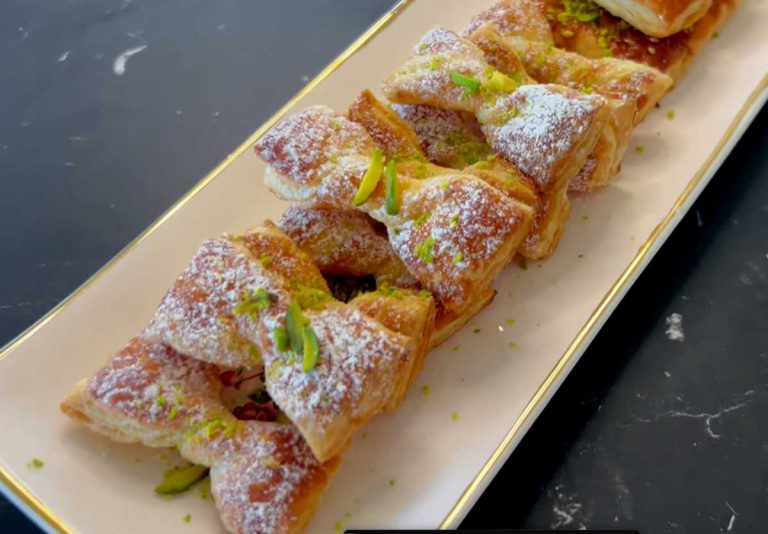
Shirini Zaban (Persian puff pastry tongues)
Shirini Yazdi
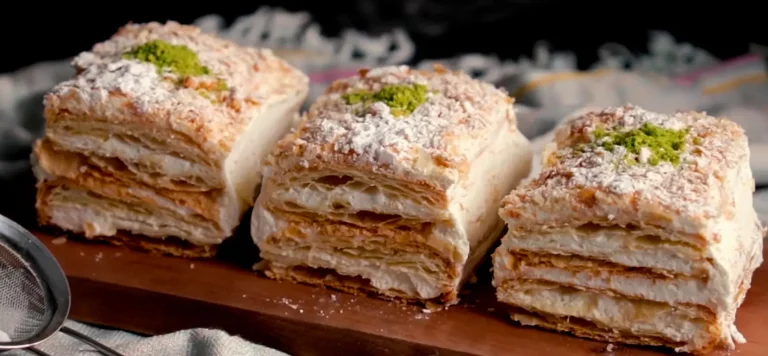
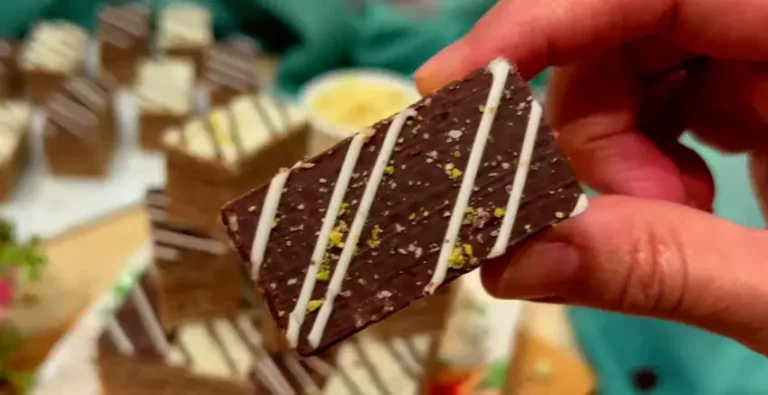
Napoleon Pastry (Persian mille-feuille)
Crispy, delicate, lightly sweet with layers of rosewater and cardamom.
Warm, ceremonial, emotional desserts:
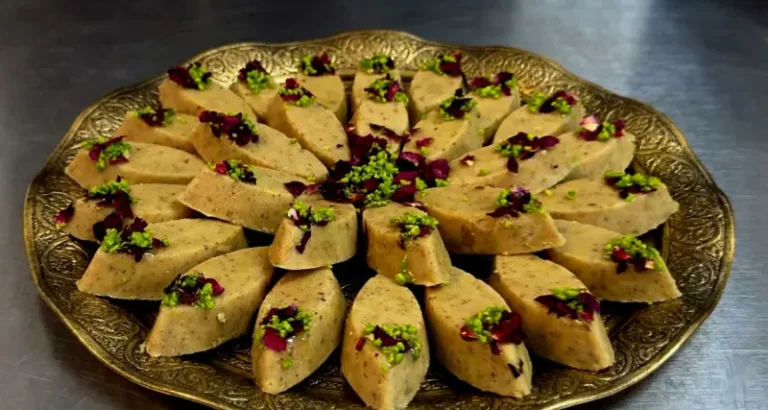
Masghati Shirazi → starch-based, rose-scented, soft
Halva → toasted flour, butter, rosewater, saffron
They are often served in gatherings, religious events, and holidays.
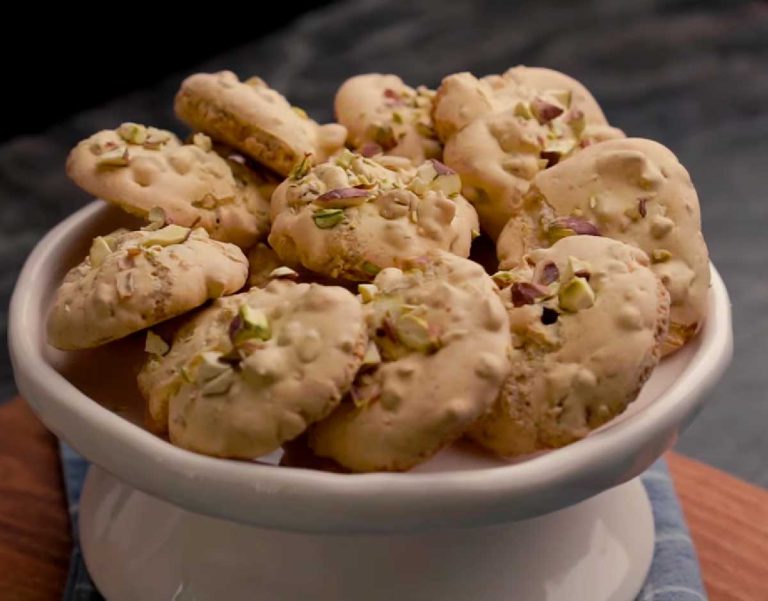
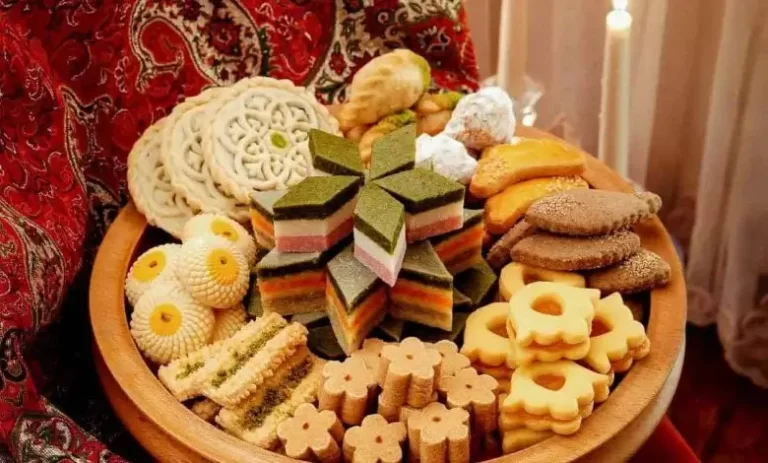
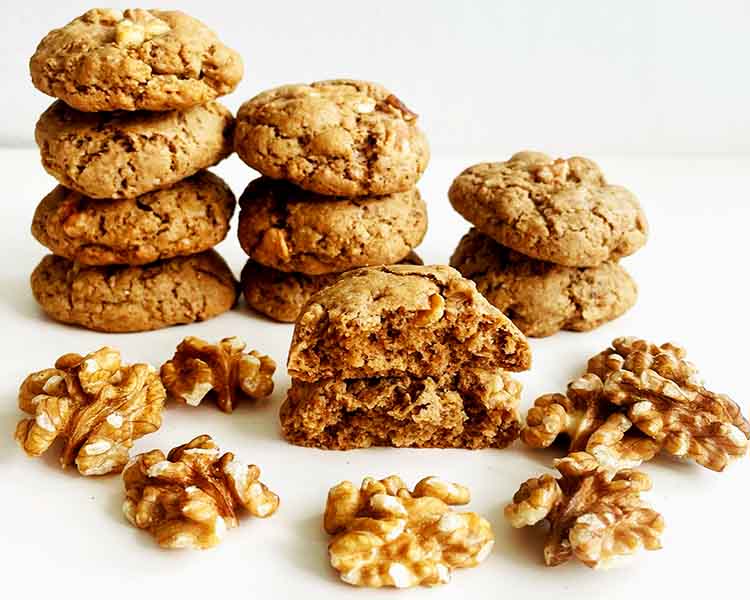
Walnut Cookies
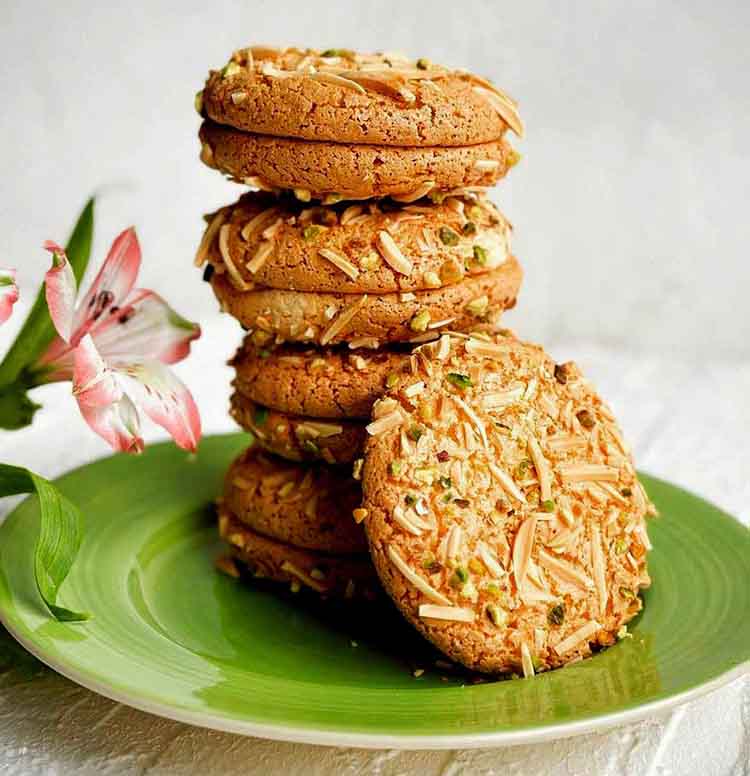
Pistachio-based cookies
Nowruz pastries
Perfect for gifting or serving with tea.
Everything is real: saffron, pistachio, cardamom, rosewater.
Not overly sugary; suitable for all palates.
Sholezard for gatherings. Qottab for celebrations. Masghati for southern Iran traditions.
Golden saffron, green pistachio, rose petals — perfect for Instagram and parties.
Crush → mix with hot water → wait for deep color.
Choose food-grade rosewater; cheap versions ruin flavor.
Whether it’s Sholezard or Halva, low heat creates perfect texture.
Balanced aroma is key.
Especially important in pastries like Shirini Zaban or Walnut Cookies.
Crispy almond-filled pastry with cardamom.
Golden saffron pudding, smooth and elegant.
Soft, transparent, rose-scented southern delicacy.
Buttery, melt-in-mouth, perfect with Persian tea.
Flaky, golden, and loved across Iran.
A layered dessert perfect for modern kitchens.
As you browse this tag, you’ll find even more sweets suitable for beginners and experts.
No true replacement → use turmeric for color only.
Orange blossom water or vanilla extract.
Almonds, hazelnuts, cashews.
Cornstarch or fine semolina.
Rice flour or cornstarch for lighter versions.
These substitutions ensure that Iranian desserts can be made anywhere in the world.
Qottab, Walnut cookies, Shirini Yazdi.
Zoolbia Bamieh, Sholezard.
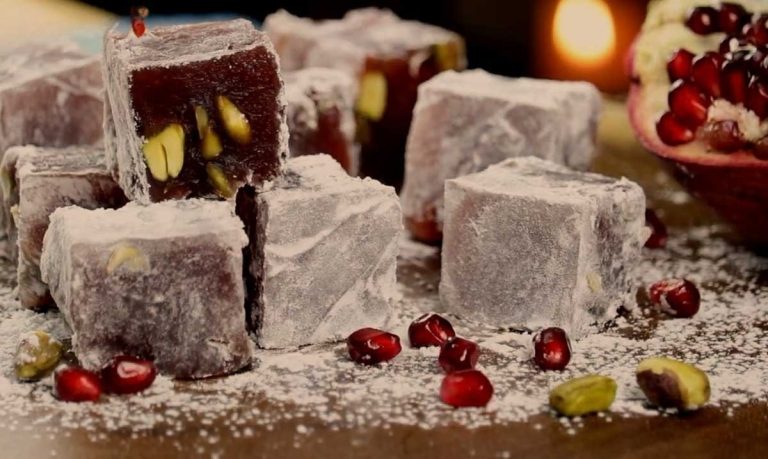
Pomegranate desserts, Sholezard, Masghati.
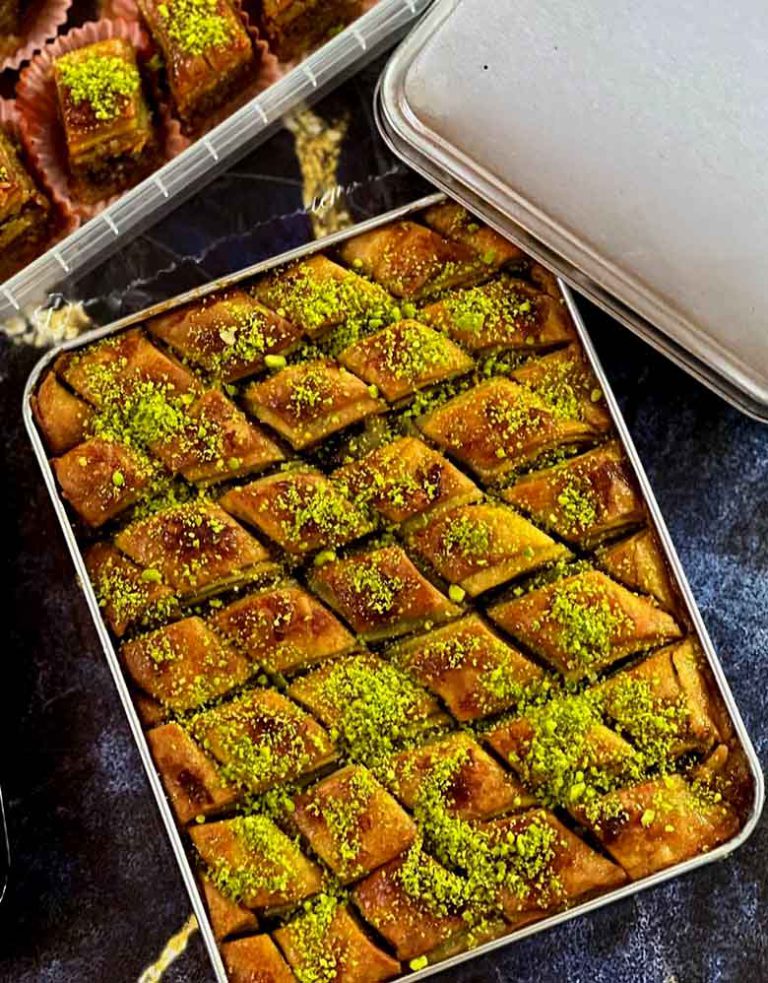
Halva, Masghati, Baklava.
Shir Berenj, Fereni, Napoleon pastry.
Sholezard, Qottab, Shirini Zaban, Masghati, and Persian Baklava.
They’re milder than Western cakes — flavor comes from saffron, cardamom, and nuts.
Absolutely. Substitutions and measurements on MealsCook make it easy.
Sholezard, Fereni, and Walnut Cookies.
Not always, but it’s essential for authentic color and aroma.
Many are naturally gluten-free, like Sholezard, Fereni, and some cookies.
Middle Eastern and Indian stores, or international aisles in supermarkets.
Yes — almonds, cashews, or hazelnuts work well.
Qottab, Walnut cookies, and other traditional “Shirini-e Nowruzi.”
Anything saffron-based or Masghati works beautifully.
From nostalgic saffron puddings to crisp pastries like Qottab and Shirini Zaban, the Persian Dessert tag on MealsCook.net brings the warmth, color, and aroma of Iran directly to your kitchen — wherever you live.