

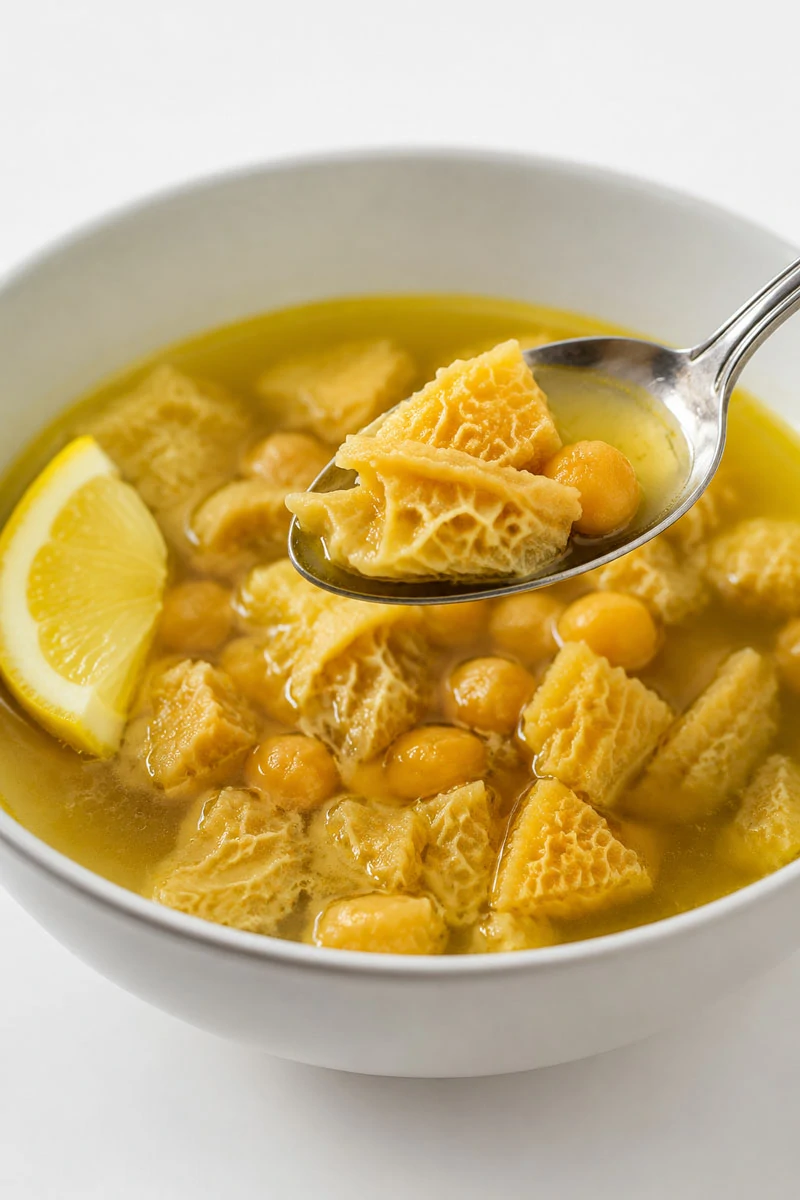
Sirabi is a cherished traditional Iranian dish, widely recognized for its rich flavor and nutritional value. In culinary terms, this is often identified as Persian tripe soup. While it may be a unique choice for some, mastering this recipe allows you to recreate an authentic Middle Eastern delicacy right in your own kitchen.
Tripe—the main component—is the edible stomach lining of ruminant animals. It is a classic example of nose-to-tail cooking, celebrated for its unique texture and ability to absorb savory spices. If you are exploring slow-cooked comfort foods, Sirabi is a must-try.
Understanding Sirabi (Beef Tripe)
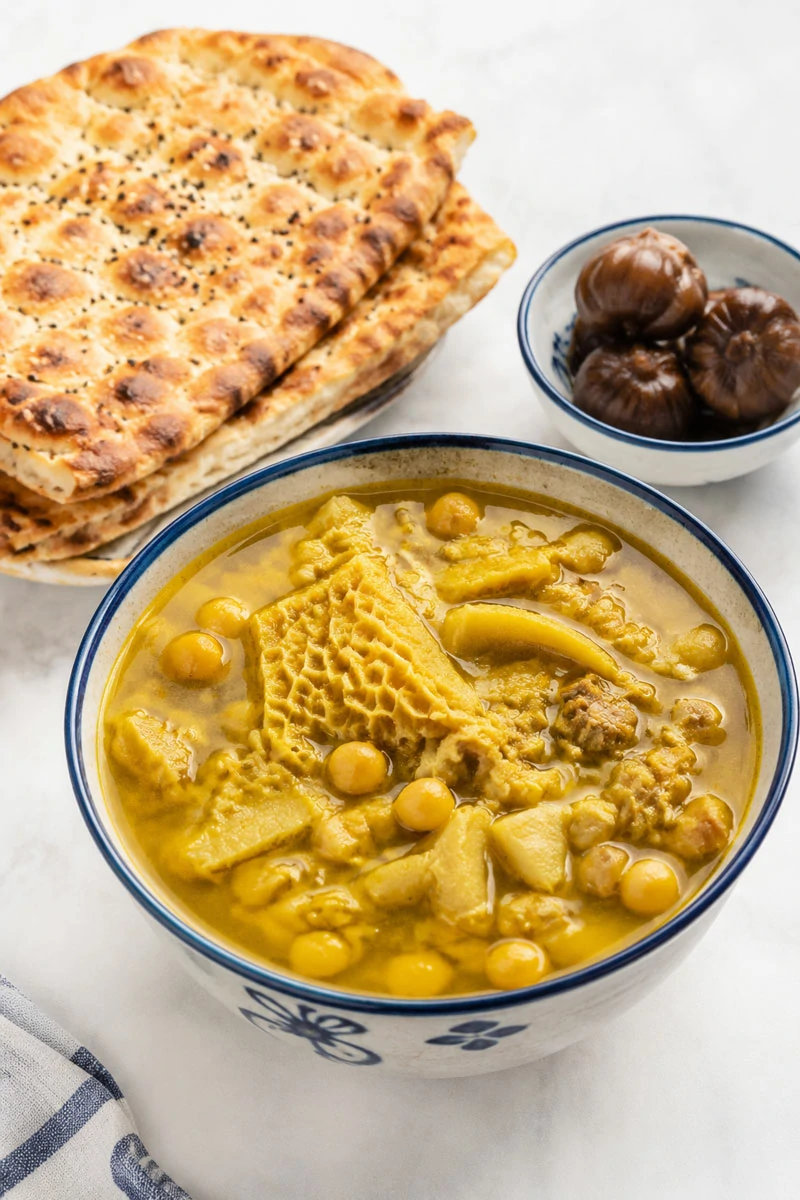
At its core, Sirabi is a hearty stew prepared from the lining of a cow or sheep’s stomach. In Iran, it is traditionally enjoyed at specialized cafes known as Kale Pacheh shops, usually paired with fresh Sangak flatbread and a splash of lemon juice to balance the richness.

Traditional Sirabi Recipe
This recipe is designed to be accessible, focusing on how to clean and prepare tripe to achieve a tender, mild flavor
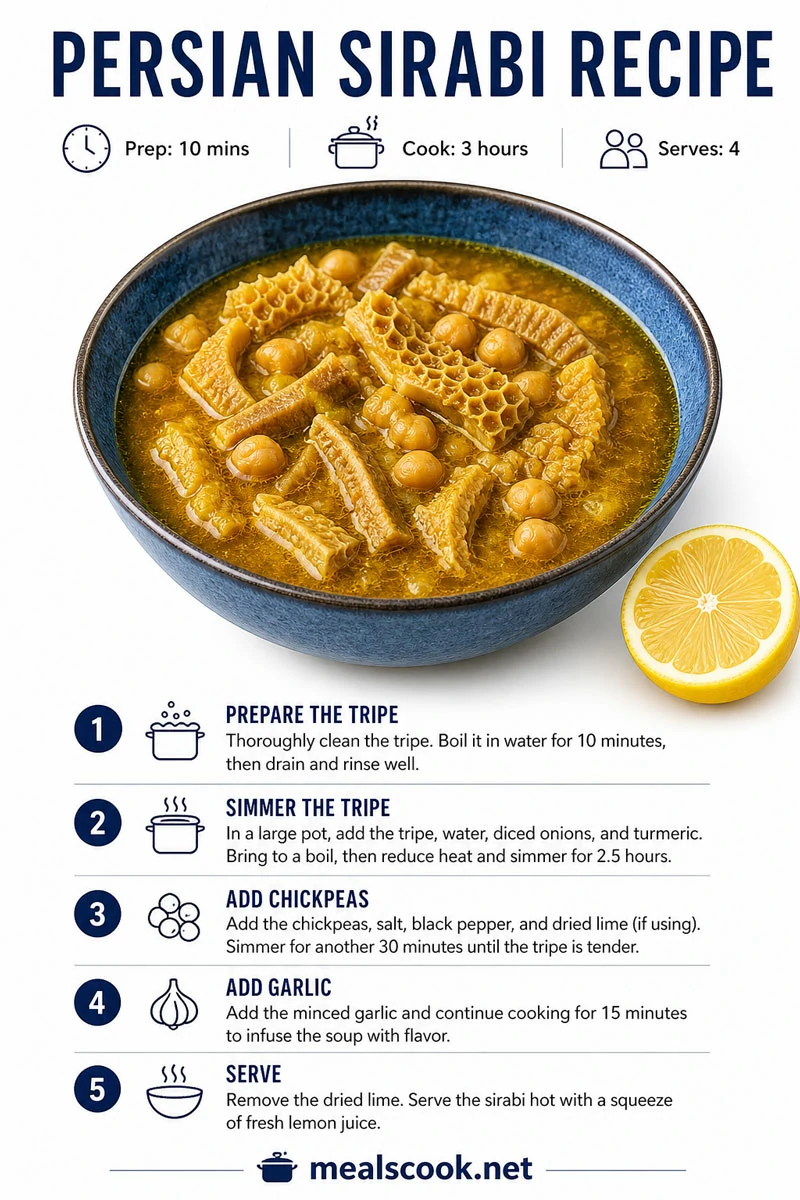
Ingredients :
| Sirabi sheep(beef tripe) | 1 whole |
| Chickpeas(optional) | 1 cup |
| onion | 2 pcs |
| Garlic | 2 cloves |
| Turmeric and black pepper | 2 tbsp |
| Salt | as needed |
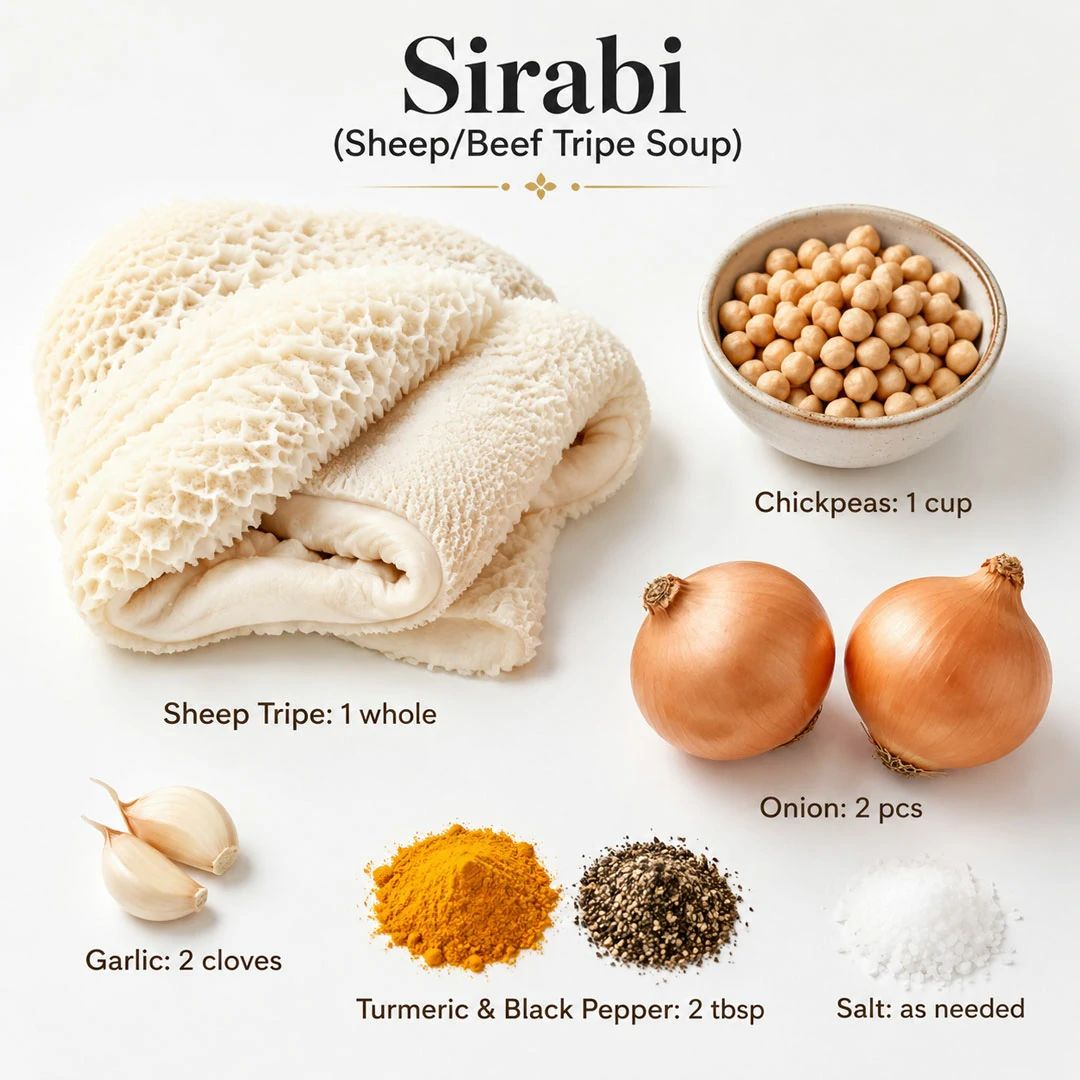
Preparation time: 10 minutes
Cooking time: 3 hours
for 4 servings
Step-by-Step Instructions:
1. Preparation: If you bought raw tripe, ensure it is thoroughly cleaned. Using scissors, trim the tripe into bite-sized portions. Place them in a pot with water, bring to a boil, and simmer for 10 minutes to remove any impurities.
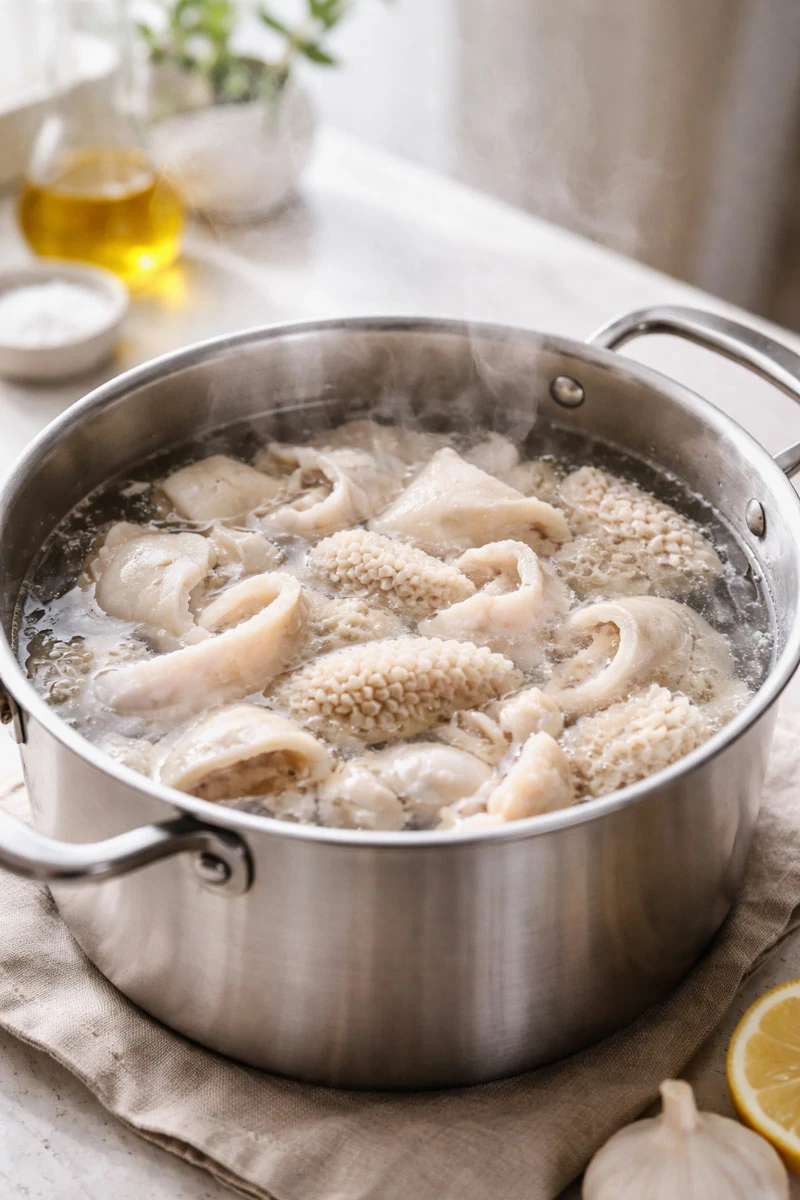
2. Rinsing: Drain the water and rinse the pieces under warm water. If you are adding chickpeas, soak them the night before to reduce flatulence and improve digestion.
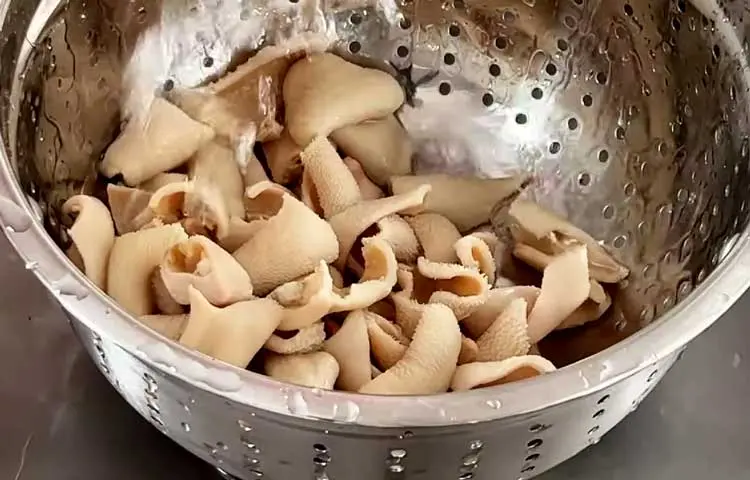
3. Simmering: Return the tripe to a clean pot. Add enough water to submerge the ingredients.

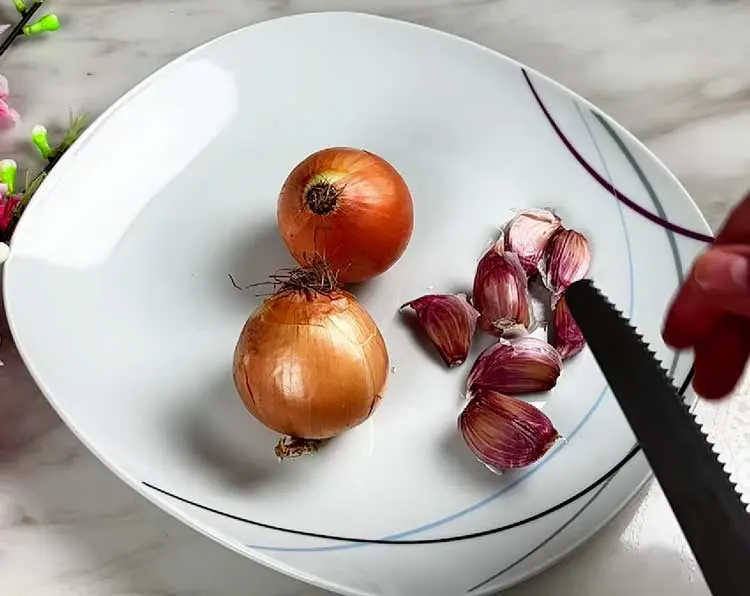
4. Flavoring: Add the onion, garlic, turmeric, and pepper. Bringing these aromatics to a boil creates a savory base. Pour in two tablespoons of oil to help emulsify the broth.
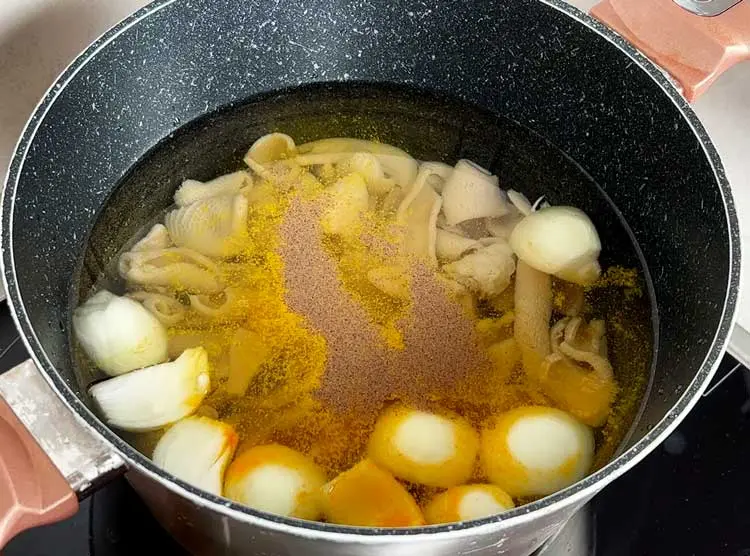
5. Slow Cooking: Let the soup simmer for three hours. This long, gentle cook time is the secret to breaking down the tough fibers, resulting in a tender, melt-in-the-mouth texture. Add salt only in the final hour to ensure the tripe stays tender and maintains a bright, clean color.
Expert Cooking Tips
- Consistency: Fresh tripe is generally superior to frozen, offering a cleaner taste.
- Serving: Pair this soup with warm Sangak bread to soak up the flavorful broth.
- Side Dishes: Serve with fresh lemon wedges or Torshi (Persian pickles) to cut through the richness of the soup.

What is served with Sirabi?

- For easier digestion and a better taste of this dish, fresh lemon and orange are used.
- Besides this dish, Iranian pickles are used, such as Torshi Liteh and Persian pickled garlic.
- This dish is also eaten with fresh Sangak bread or Barbari bread.
- Finally, carbonated drinks such as lemonade are used as drinks.
FAQ
What is Sirabi known as in English?
It is typically called beef or sheep tripe soup.
Can I make it without chickpeas?
Absolutely. While chickpeas add protein and texture, the soup is delicious and traditional without them.
What is the best way to serve Sirabi?
It is traditionally served by pouring the hot, flavorful broth over pieces of bread, followed by eating the tripe separately with lemon and pickles.
Conclusion
In this article, we explained a traditional dish called Sirabi, which is one of the unusual and scary Persian foods.
A food made from the intestine of a calf or sheep, which, contrary to its scary appearance, tastes great and has many benefits for the human body.
If you also have scary and delicious foods in your city and country, let me know in the comments.






Wow, unlike you, I love sirabi, and whenever I go back to Iran, I eat kale pache for breakfast and sirabi for dinner.
Hello, my dear Mahsai
I didn’t say I don’t like Sirabi
I just said that my stomach has been sensitive to this food since childhood
Otherwise, the food is great
I am glad that you have preserved the essence of Iranian cuisine
Thank you for sharing your great experience