

Taftoon bread is a traditional Persian flatbread known for its soft texture, light chew, and thin, round shape. It is one of the classic Iranian breads often served with breakfast, cheese and herbs, kebabs, and many everyday Persian meals.
Although taftoon is traditionally baked in a very hot clay oven, you can still make a good homemade version using a regular oven or a hot skillet. This recipe explains the ingredients, dough texture, proofing time, and baking method so you can make Persian taftoon bread at home more easily.
What is Taftoon Bread? (History & Origins)

The word “Taftoon” is derived from the Persian word Taftan, meaning “to heat,” “to burn,” or “to kindle.” This etymology reflects its traditional cooking method in scorching hot clay ovens (tandoors).
Historical records, including references in the Shahnameh (The Book of Kings) by Ferdowsi, suggest that Taftoon has been a staple in the Middle East, particularly in Iran, Afghanistan, and Pakistan, for centuries. It is traditionally round, docked with holes (to prevent puffing), and often flavored with saffron or cardamom in regional variations.
Taftoon vs. Other Flatbreads (Value Add Comparison)
Many people confuse Middle Eastern flatbreads. Here is how Taftoon stands out:
| Feature | Taftoon | Naan (Indian) | Lavash |
| Leavening | Yes (Yeast/Sourdough) | Yes (Yeast/Baking Powder) | No (Usually Unleavened) |
| Texture | Tender, slightly chewy, medium thickness | Fluffy, pillowy, thick | Paper-thin, crispy or soft |
| Main liquid | Water or Milk (sometimes Yogurt) | Milk and Yogurt | Water |
| Best For | Persian Breakfast, Kebabs, Stews | Curries, Heavy Gravies | Wraps (Shawarma) |
Ingredients You Need

To make professional-quality Taftoon at home, you need simple pantry staples:
| Ingredient | Volume | Weight (g / lbs) |
|---|---|---|
| Flour (AP or Mix) |
3 to 4 cups | 360–480 g (0.8–1.05 lbs) |
| Liquid (Water/Milk) |
1 to 1.5 cups | 240–360 g (0.53–0.8 lbs) |
| Fat (Oil/Butter) |
2 to 3 tbsp | 28–42 g (0.06–0.09 lbs) |
| Yogurt (Optional) |
2 tbsp | ~30 g (0.07 lbs) |
| Instant Yeast | 1 to 2 tsp | 3–6 g |
| Salt & Sugar | To taste | — |
| Toppings | Seeds | — |
Step-by-Step Instructions
1. Activate and Mix
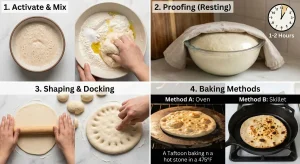
Mix the yeast with lukewarm water and sugar. Let it sit for 5 minutes until frothy. In a large bowl, combine the flour, salt, oil, and yogurt. Add the yeast mixture and knead until a soft, slightly sticky dough forms.
2. Proofing (Resting)
Place the dough in a lightly oiled bowl. Cover with a damp cloth or plastic wrap. Let it rest in a warm place for 1 to 2 hours until it doubles in size.
3. Shaping and Docking
Punch down the dough and divide it into small balls (about the size of a tennis ball). On a floured surface, use a rolling pin to flatten each ball into a circle, approximately 4–5 mm thick.
Crucial Step: Use your fingertips or a fork to press deep indentations (docking) all over the surface. This prevents the bread from turning into a balloon.
4. Baking Methods
- Method A: The Oven (Bakery Style)Preheat your oven (and a baking stone/sheet) to 475°F (245°C). Place the dough on the hot stone and bake for 1–2 minutes until golden brown spots appear.
- Method B: The Skillet (Stovetop)Heat a cast-iron skillet or non-stick pan over high heat. Place the dough in the pan. Once bubbles form (approximately 30 seconds), flip it and cook the other side until charred spots appear.
Troubleshooting Your Taftoon (Expert Tips)
If your bread isn’t perfect, use this guide to fix it immediately.
| Problem | Likely Cause | The Fix |
| Bread is too hard/dry | Overbaking or temperature too low. | Increase the heat to max; bake for a shorter time. Keep baked bread wrapped in a cloth immediately. |
| Dough won’t rise | Old yeast or water too hot. | Check yeast expiration. Water should be “baby bottle warm” (approx. 110°F/40°C). |
| Bread sticks to the counter | Hydration is too high. | Lightly oil your hands and rolling pin instead of using too much extra flour. |
| Raw/Doughy Center | Dough too thick, or the pan is not hot enough. | Roll the dough thinner (max 5mm) and preheat your pan/stone for at least 15 mins. |
Storage and Reheating Taftoon Bread Tips

-
Storage: Wrap in a cloth immediately after baking to keep them soft. To freeze, place parchment paper between layers and freeze in a ziplock bag. Reheat in a toaster or microwave for 20 seconds.
- Reheating: Fresh taftoon bread tastes best when it is warm and soft. If your bread has cooled or been stored, you can easily reheat it to restore its texture.
- To reheat taftoon, place the bread in a hot skillet for about 20–30 seconds on each side until it becomes warm and slightly soft again. You can also wrap it in a slightly damp paper towel and heat it in the microwave for about 10–15 seconds.
- For oven reheating, wrap the bread loosely in foil and warm it at 350°F (175°C) for a few minutes. This method works well when reheating several pieces of taftoon at once.
- Avoid overheating the bread, as it can quickly become dry. Gentle heat helps keep the bread soft and closer to its original bakery-style texture.
What to Eat with Taftoon Bread?
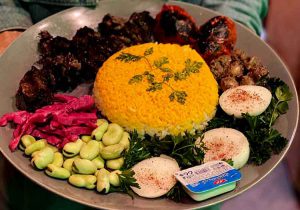
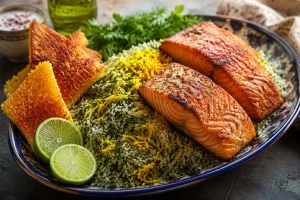
In Persian cuisine, taftoon bread is often enjoyed with both breakfast and main dishes. Many people serve it with cheese and herbs, Persian omelet, or richer traditional foods like kaleh pacheh and halim. It is also a practical bread for meals such as abgoosht and kebab dishes like kabab soltani.
(FAQ)
1. What is taftoon bread made of?
Taftoon bread is usually made with flour, water, yeast, salt, and a small amount of oil. Some versions also include milk or yogurt for a softer texture.
2. What do Persians eat with taftoon bread?
Taftoon bread is often eaten with cheese and herbs, Persian omelet, kebabs, halim, kaleh pacheh, and other traditional Iranian dishes.
3. Can I make taftoon bread without a clay oven?
Yes, you can make taftoon bread at home using a very hot oven, baking stone, baking steel, or skillet. The texture will not be the same as a traditional bakery version, but it can still turn out very well.